The Story of the Great Depression: Lessons Learned
19 February 2026
Let’s take a time machine back to the 1930s. Imagine a world where everyday folks lost everything—jobs, savings, homes—almost overnight. Banks shut down. Unemployment skyrocketed. The stock market crashed like a wave slamming into a sandcastle. That, my friend, was the Great Depression.
But this isn’t just a history lesson to yawn through. It’s a powerful story filled with lessons that still ring true today. Why? Because sometimes, to move forward, we’ve gotta look back and learn from the bumps and bruises of the past.
So, grab your coffee or your favorite snack, and let's dive deep into the story of the Great Depression and the eye-opening lessons we should never forget. 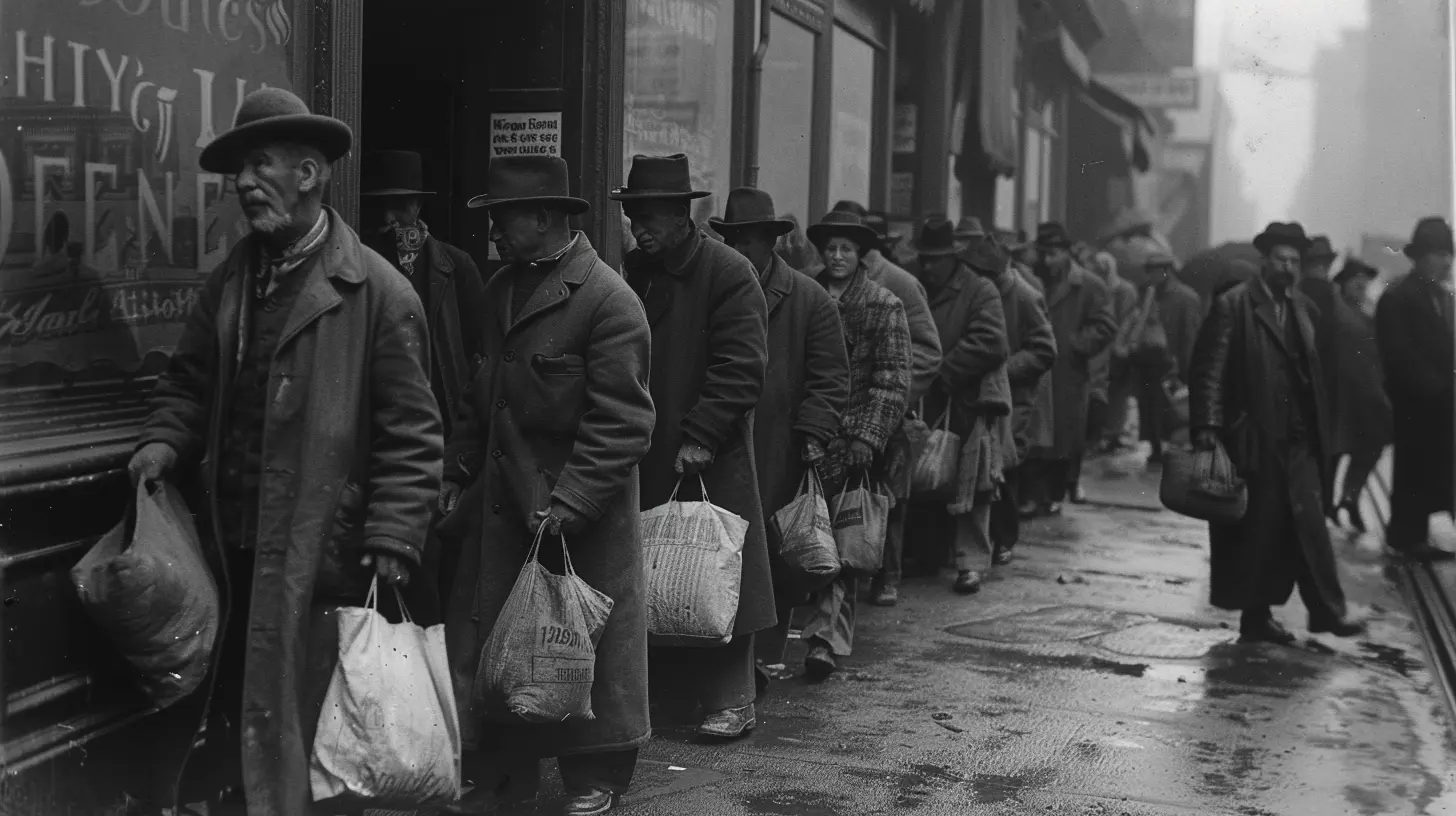
What Was the Great Depression?
Think of it as the “mother” of all economic slumps. The Great Depression wasn’t just another recession—it was the longest and most severe economic downturn in modern history. It all started in the United States in 1929 and quickly spread like wildfire across the globe.Here’s the kicker: It lasted about a decade. From 1929 to the early 1940s, the world was trapped in a financial straitjacket.
The Crash That Sparked It All
Most people pinpoint the beginning to one major event: The stock market crash of October 1929. On October 29—a day now infamously known as Black Tuesday—panic selling hit Wall Street, wiping out billions of dollars in market value.Imagine waking up one day and realizing your life savings just vanished into thin air. Terrifying, right? That’s exactly how millions felt.
It Wasn’t Just a Stock Market Problem
Although the Wall Street crash may have been the trigger, it wasn’t the only reason the world went into economic darkness. Think of it like a house built on a shaky foundation—when the first wall crumbles, the rest follows.Here’s what else was going on:
- Bank Failures: Thousands of banks closed, taking their customers' savings with them.
- Unemployment: At its peak, U.S. unemployment hit 25%. That’s one out of every four people out of work!
- Overproduction: Industries and farms were producing more than people could afford to buy.
- Global Trade Collapse: Countries raised tariffs, trade slowed down, and economies sank.
Life During the Depression: A Daily Struggle
You might be wondering, "How bad was it really?" Let’s just say, for many families, it was about survival—day to day.Breadlines and Soup Kitchens
When people couldn’t afford food, they turned to soup kitchens and stood in breadlines that wrapped around city blocks. Can you imagine needing to queue for hours just to get a slice of bread or a bowl of soup?Homelessness on the Rise
With no jobs and no income, thousands lost their homes. Makeshift shantytowns—called Hoovervilles (named after President Hoover)—popped up all over the U.S. These were communities built from cardboard, tin, and anything people could find.Mental and Emotional Toll
It wasn’t just financial. The Depression crushed spirits. Families broke apart. Kids had to drop out of school to support their parents. The American Dream felt more like a nightmare.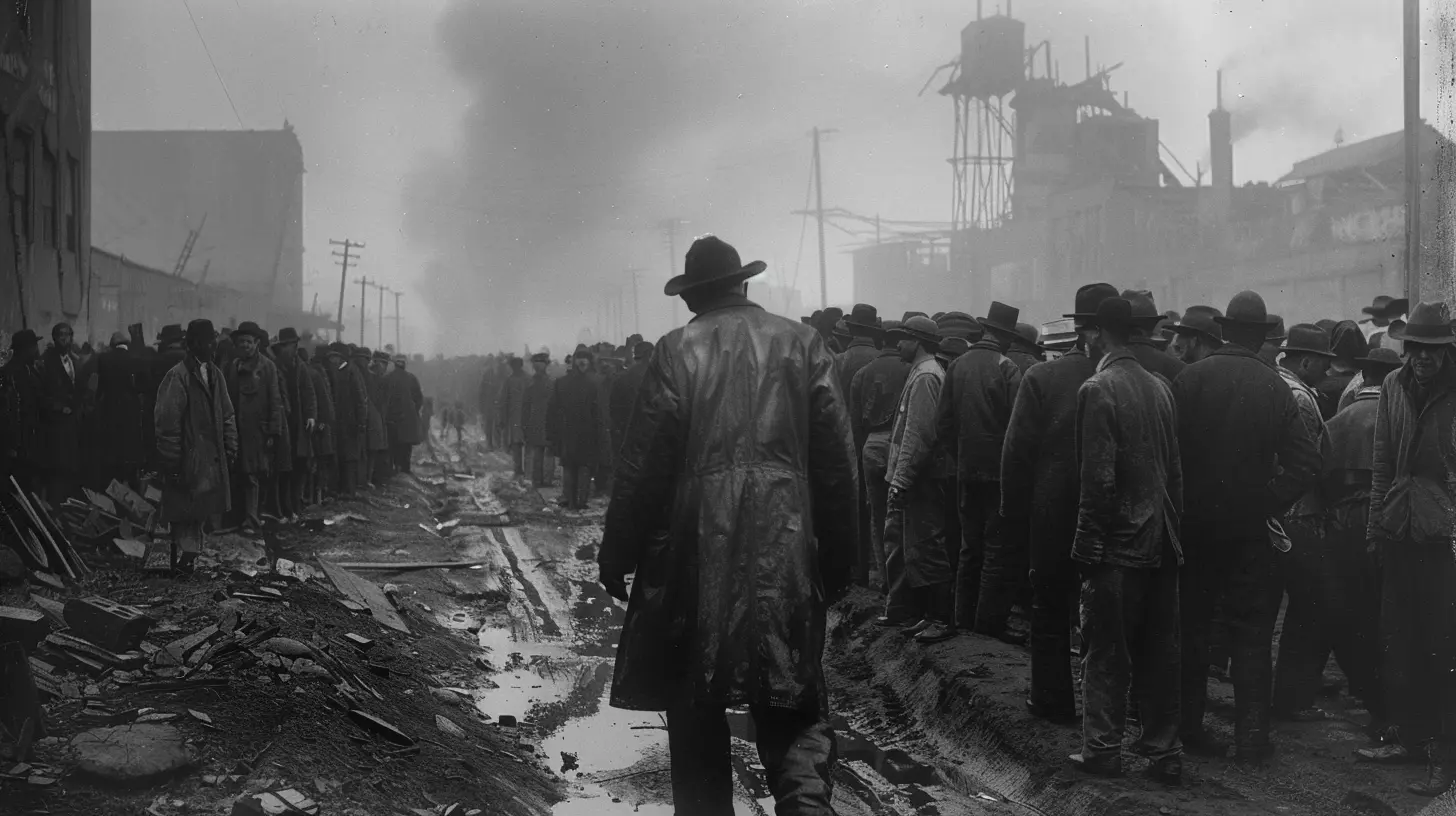
How Did the World Respond?
Okay, so we know the world was in pretty rough shape. But what did leaders do to try and fix the mess?When Government Finally Stepped Up
For a while, the U.S. government believed the economy would fix itself. Spoiler alert—it didn’t.Then came Franklin D. Roosevelt (FDR) in 1933, with his bold “New Deal” plan. He jumped into action with a series of programs designed to:
- Create jobs
- Regulate Wall Street and banks
- Provide relief for struggling families
- Protect workers’ rights
And you know what? It made a difference. FDR brought hope in a time of despair. The government shifted from being a bystander to a key player in economic recovery.
The Role of World War II
Ironically, what really pulled the world out of the Great Depression was World War II. With the war came massive industrial production, military enlistment, and job creation. Factories boomed. People went back to work. The gears of the economy began turning again.
Key Lessons Learned from the Great Depression
Now comes the juicy part—the golden nuggets of wisdom from this financial disaster. Because if we ignore history, we’re pretty much inviting it to repeat itself.1. Diversify, Don’t Put All Your Eggs in One Basket
Before the crash, many banks and investors went all-in on risky stocks. No backup plans. No safety nets. That’s like betting your entire paycheck on one horse at the racetrack.Lesson? Diversify your investments. Spread the risk.
2. Regulation Is Crucial
Before the Depression, banks could pretty much do whatever they liked. After the chaos, the U.S. government created regulations like:- The Securities Act (1933)
- The Glass-Steagall Act (1933)
These laws forced transparency and separated commercial banking from investment banking.
Bottom line? Capitalism needs guardrails.
3. The Government Can—and Should—Step In
A big takeaway was this: Waiting for the “free market” to fix itself doesn't always work. Sometimes, the government has to play referee to protect the people on the field.Think Social Security, unemployment insurance, and job programs—all products of the New Deal that still benefit us today.
4. Take Debt Seriously
Back then, consumer debt was rising fast—much like we've seen in recent decades. When income can't keep up with borrowing, boom—it all comes crashing down.It’s like building a tower out of playing cards. Add one wrong move, and the whole thing tumbles.
The Ripple Effects: How It Changed the World
The Great Depression didn’t just change laws and bank practices. It reshaped culture, politics, and the economy.Rise of Populism and Political Extremes
Economic misery often leads to political unrest. In some countries, people turned to radical leaders promising fast fixes. This partly explains how totalitarian regimes, like Nazi Germany, gained traction.In the U.S., it pushed people toward more government intervention—and debates we still have today about capitalism versus socialism.
Shift in Social Attitudes
Family roles shifted. Women entered the workforce in larger numbers. Community support became essential. Survival wasn't just a solo game anymore.People appreciated simple things more. They grew gardens, repaired old clothes, and started valuing relationships over riches.
Could It Happen Again?
That’s the million-dollar question (pun intended). Could we see another depression like this?Technically, yes—but we’re better prepared now. Thanks to lessons learned, we have:
- The Federal Reserve to manage money supply and interest rates
- Deposit insurance (through FDIC) to protect savings
- Social safety nets like unemployment benefits
- Better data to guide policy-making
But… that doesn’t mean we're invincible. The 2008 Financial Crisis was a close call, and it reminded us how fragile the system really is.
Wrapping It Up: What We Should Remember
The Great Depression wasn’t just about numbers and economics—it was a human tragedy felt in every home across the globe. But through the ashes, we pulled out some incredibly powerful lessons.The world learned that unchecked greed leads to disaster. That governments can’t sit on the sidelines. That people, even in the worst times, can come together and rebuild.
So yeah, it was rough. But it also planted the seeds for a more resilient future. Next time someone says "history is boring," remind them—it’s full of drama, grit, and the blueprints for a better tomorrow.
Want to Dig Deeper?
If this piqued your interest, consider reading more about Roosevelt’s New Deal or comparing the Great Depression with the 2008 recession. History has a funny way of echoing itself.Or better yet—talk to your grandparents or great-grandparents. You might be surprised at what you discover.
all images in this post were generated using AI tools
Category:
History LessonsAuthor:

Olivia Chapman
Discussion
rate this article
2 comments
Sloane Frye
This article beautifully captures the resilience of the human spirit during tough times. It’s a reminder that even in despair, we can learn, adapt, and grow stronger together.
February 28, 2026 at 3:23 AM
Olivia Chapman
Thank you! I'm glad you found the article resonant. The resilience of the human spirit truly shines during challenging times.
Danica Velez
The Great Depression was a stark reminder: economic complacency breeds disaster. We must learn and adapt—history won’t wait for us to catch up.
February 20, 2026 at 5:49 AM
Olivia Chapman
Absolutely, your insight highlights the crucial need for vigilance and adaptability in economic policies to prevent repeating past mistakes.