Understanding the Psychology Behind Virtual Classroom Participation
20 January 2026
Ever sat in a virtual classroom where the teacher asks a question, and all you hear is… silence? Yeah, we’ve all been there. Whether you’re a student, teacher, or parent, you’ve probably noticed that getting people to engage in online learning can be tricky. But why does participation in virtual classrooms feel so different from in-person learning?
It all comes down to psychology. Our brains are wired to interact in certain ways, and when those natural cues are missing in a digital environment, things shift. In this article, we’ll break down the psychology behind virtual classroom participation, what holds students back, and how to create a more engaging learning experience. 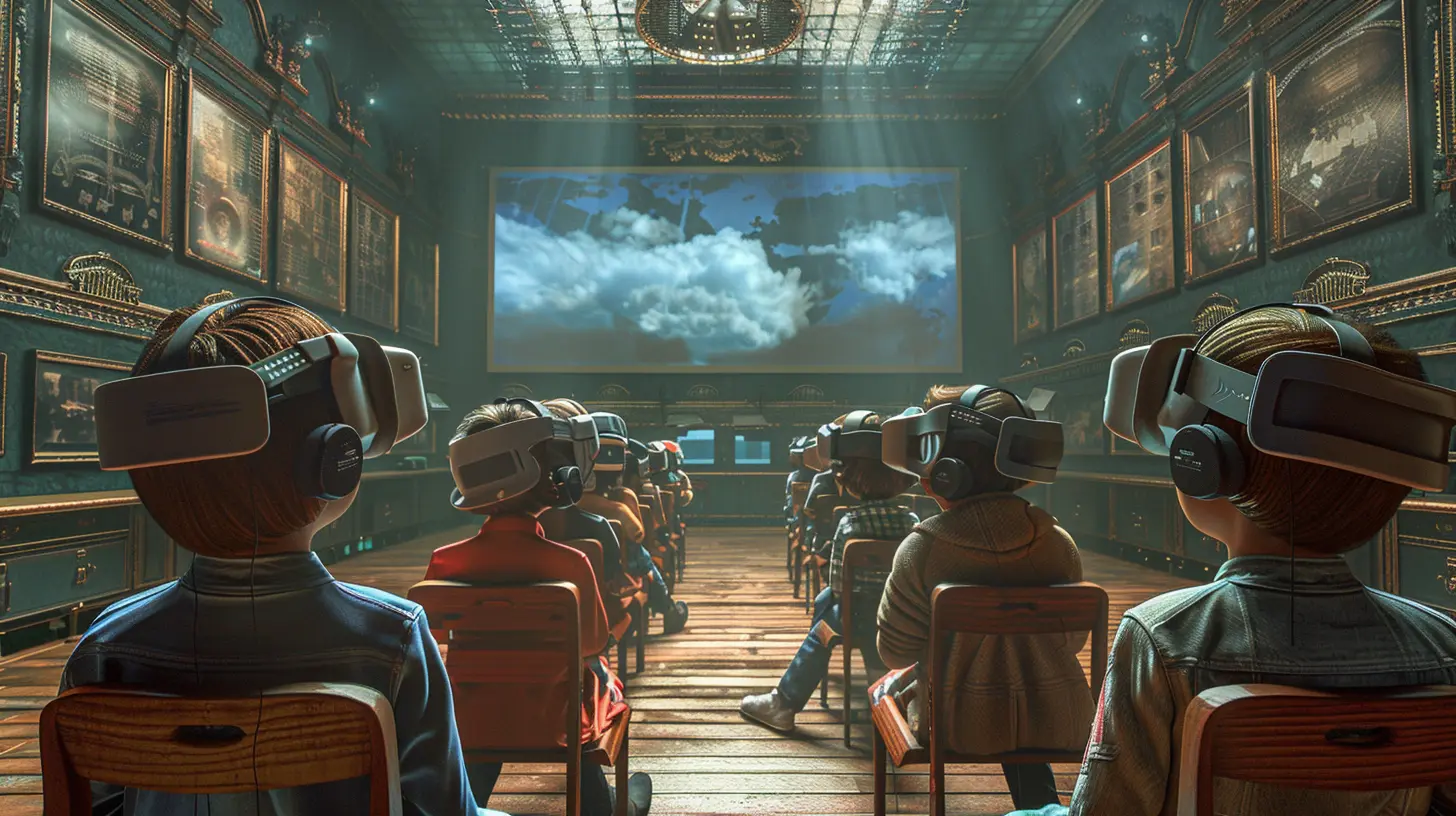
The Psychology of Participation: Why Engagement Changes Online
1. The Absence of Social Cues
When you're in a physical classroom, you pick up on tiny social signals—eye contact, body language, a smile from a classmate when you answer a question. These little cues help build confidence and make it easier to jump into discussions.But online? Most of that disappears. Cameras might be off, responses are delayed, and the energy of a shared space is missing. Without those non-verbal signals, students may feel like they're speaking into a void, making them hesitant to participate.
2. The Fear of Judgment
Ever hesitated to unmute yourself in a Zoom class because you weren’t sure if your answer was completely right? You’re not alone. Virtual learning can amplify the fear of making mistakes—possibly because responses are more "permanent" in chat or the entire class is staring at your video feed when you speak.In a physical classroom, side conversations and ambient noise make mistakes feel less noticeable. But online, every word seems spotlighted, making shy students even more reluctant to engage.
3. The “Zoom Fatigue” Effect
Staring at a screen for hours on end is exhausting. Unlike in-person classes, where you can shift in your chair, look around, or whisper to a friend, virtual learning requires intense focus. Psychologists call this Zoom Fatigue, and it can make students mentally check out—even if they’re physically present.By the time a teacher asks a question, students might be too drained to come up with an answer, even if they know it.
4. The Feeling of “Invisible” Participation
In traditional classrooms, participation isn’t just about speaking up. Nodding, laughing, or even scribbling notes can make a student feel engaged. In virtual classrooms, these small forms of participation are mostly hidden.Students who are actively listening may not feel compelled to hit the "raise hand" button or type in chat, just because they don’t realize that non-verbal participation isn’t visible to the instructor. Without recognition, some students might withdraw completely. 
The Different Types of Virtual Learners
Not all students experience online learning the same way. Understanding the different types of virtual learners can help educators design strategies to boost participation.1. The Confident Contributor
These students are comfortable unmuting, speaking up, and leading discussions. They don’t mind taking center stage, but they can sometimes dominate conversations, leaving quieter students feeling overshadowed.2. The Silent Observer
They rarely turn on their mic or camera and prefer to listen rather than talk. It’s not that they’re not paying attention—they just don’t feel the need to actively engage unless absolutely necessary.3. The Distracted Drifter
These students struggle to stay focused. With social media, background noise, and multiple tabs open, they're constantly battling distractions. If participation isn't required, they may completely tune out.4. The Anxious Participant
Even though they want to engage, nerves hold them back. Fear of saying something wrong, speaking in front of the class, or even just being on camera can make participation stressful for them.
Strategies to Improve Virtual Classroom Participation
So, how do you get students to break out of their shells and participate more? Here are a few psychological tricks to boost engagement in virtual classrooms.1. Use Ice-Breakers to Ease Anxiety
Starting with an easy, low-pressure question makes students feel comfortable before diving into academic topics. Try asking:- "What's something good that happened this week?"
- "If you could have any superpower, what would it be?"
- "What's your favorite way to take a break from screens?"
These questions help students warm up and create a culture of participation before getting into the main lesson.
2. Encourage Chat and Non-Verbal Cues
Not everyone wants to turn on their mic, but they might still want to contribute. Encourage students to drop their thoughts in the chat, use emojis, or react with a thumbs-up button. This small shift allows more students to engage while minimizing anxiety.3. Small Group Discussions (Breakout Rooms)
Large class discussions can be intimidating. Break students into small groups where they feel safer sharing their thoughts. When they return to the main session, they’ll feel more confident speaking up.4. Gamify Participation
Turning classroom participation into a game can do wonders. Use quizzes, polls, or even a points-based system where participation earns rewards. Tools like Kahoot, Mentimeter, or Quizizz make learning feel interactive and fun.5. Normalize Mistakes
Students often hold back because they fear being wrong. Normalize mistakes by highlighting that getting something wrong is a part of learning. Teachers can share their own mistakes or encourage a “let’s figure it out together” mindset.6. Offer Multiple Ways to Participate
Not all students feel comfortable speaking out loud. Provide alternatives like:- Written responses in discussion forums
- Collaborative group projects
- Recorded responses instead of live speaking
- Optional voice notes or podcast-style contributions
The more ways students can engage, the more likely they are to participate.
7. Create a Safe and Supportive Environment
A virtual classroom should feel like a judgment-free zone. Teachers should foster a warm, encouraging atmosphere where students feel safe to ask questions and share thoughts without fear of being embarrassed.
The Role of Teachers and Parents in Encouraging Participation
Teachers: Model Engagement
Participation starts from the top. If a teacher is energetic, engaged, and interactive, students will naturally follow. Simple things like calling students by name, using humor, or showing enthusiasm set the tone for a lively class.Parents: Create a Conducive Environment
Parents play a role too! Encouraging kids to have a dedicated learning space, minimizing distractions, and checking in on their engagement levels can make a big difference in how they participate in class.The Future of Virtual Classroom Participation
As technology evolves, so will virtual learning. AI-driven classrooms, virtual reality learning spaces, and interactive tools will continue to reshape how students engage. But at its core, participation is about psychology—how comfortable, safe, and motivated students feel in the digital space.The more we understand the psychological barriers to engagement, the better we can design virtual classrooms that feel just as interactive and connected as in-person learning.
Final Thoughts
Virtual classrooms aren’t perfect, but they’re here to stay. Encouraging participation isn’t just about forcing students to talk—it’s about understanding their fears, motivations, and learning styles. Whether you’re a teacher, student, or parent, small changes in approach can make a huge difference in transforming silent virtual classrooms into thriving, engaged learning communities.So, next time you’re in a virtual class, ask yourself: What can I do to create a space where participation feels natural and stress-free? A little effort goes a long way in making online learning feel more human.
all images in this post were generated using AI tools
Category:
Virtual ClassroomsAuthor:

Olivia Chapman
Discussion
rate this article
2 comments
Skye Barnes
Understanding the psychology behind virtual classroom participation uncovers the intricate dance between motivation, engagement, and social presence. As educators, recognizing the emotional and cognitive barriers students face can foster a more inclusive environment, enriching learning experiences and ultimately bridging the gap between physical and digital interactions.
February 14, 2026 at 4:57 AM
Olivia Chapman
Thank you for your insightful comment! Understanding these dynamics is essential for creating an engaging virtual learning environment that supports all students.
Landon Wallace
Great insights! Understanding participation boosts engagement in virtual classrooms!
January 23, 2026 at 4:51 AM
Olivia Chapman
Thank you! I'm glad you found the insights helpful. Engaging students is crucial for effective learning in virtual settings!