Unlocking Creativity in Classrooms by 2026
3 May 2026
Let me guess. You have been sitting in a room with white walls, a ticking clock, and a teacher who has not smiled since the Clinton administration. You are supposed to be "creative." But the only thing you are allowed to create is a perfectly formatted five-paragraph essay about the life cycle of a frog. Sound familiar? Welcome to education, where we have spent decades telling students to think outside the box while simultaneously nailing the lid shut.
By 2026, we are supposedly going to fix this. The buzzword is "creativity." Schools are going to unlock it. They are going to foster it. They are going to weave it into the curriculum like a golden thread. But let us be real for a second. If you have ever watched a school board meeting, you know that "innovation" usually means buying new laptops and using them to take the same old multiple-choice tests. So, what is actually going to change? And more importantly, will we finally stop treating kids like tiny corporate drones?
I am going to go out on a limb here and say yes. But not because the system suddenly got wise. No, it is because the system is panicking. Robots are coming for the jobs we trained kids for. Spreadsheets? Done by AI. Data entry? Gone. Standardized test taking? Please, a chatbot can ace the SAT with one hand tied behind its digital back. The only thing left for humans is the messy, weird, unpredictable stuff: creativity. So, by 2026, we are going to unlock it. Whether we are ready or not.
The Great De-Grading of America
You want to know the number one creativity killer in a classroom? It is the grade. Specifically, the relentless, soul-crushing pursuit of the A. We have turned kids into dopamine addicts for a letter. They do not ask "Is this idea interesting?" They ask "Will this get me points?" That is not creativity. That is a transaction.By 2026, the smartest schools are going to start doing something radical. They are going to stop grading everything. I am not talking about "everyone gets a trophy" nonsense. I am talking about separating feedback from judgment. Imagine a classroom where you spend three weeks building a cardboard city. You design the streets, you argue about zoning laws, you glue tiny trees to popsicle sticks. At the end, you do not get a C+. You get a conversation. "Why did you put the hospital next to the factory? What were you thinking?" That is unlocking creativity. That is a kid learning to defend a weird idea instead of memorizing the right answer.
Why will this happen by 2026? Because parents are finally exhausted. They are tired of crying over homework. They are tired of seeing their kids hate school. The pressure is building. Schools will realize that if they keep grading every single breath a student takes, they will produce robots, not artists. So, get ready for "ungrading" experiments. They will be messy. Some kids will flounder. But a few will build something that makes you forget about the letter grade entirely.
The Death of the "Right Answer"
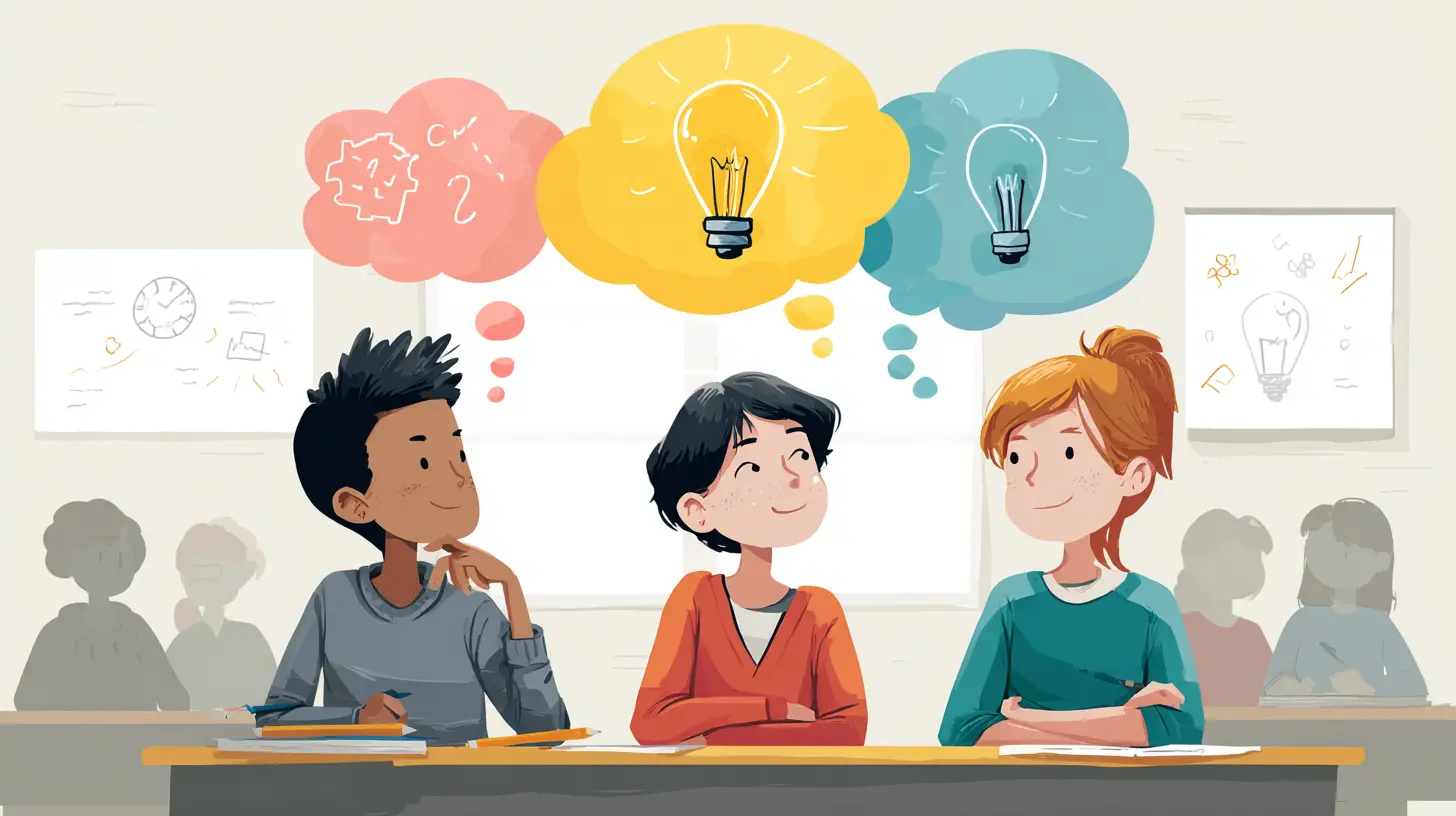
Here is a little secret that educators hate to admit: there is no right answer. There are just better questions. But for the last hundred years, we have designed classrooms around the assumption that there is a correct answer hidden in the back of a textbook. You just have to find it. This is great for teaching multiplication. It is terrible for teaching creativity.By 2026, the "right answer" is going to take a backseat. We are going to see the rise of the "wicked problem." You know, the kind of problem that has no solution, just a bunch of trade-offs. Like "How do we feed a city without cars?" or "What would a school look like if it were designed by students?" These questions do not have a single correct answer. They have a thousand correct answers, each one weirder than the last.
The teacher's job will shift from "answer giver" to "question asker." And that is terrifying for a lot of people. Because if you do not have the right answer, you lose control. You have to be comfortable with chaos. But chaos is where creativity lives. By 2026, classrooms will be messier. Students will be louder. And the smartest kid in the room might be the one who asks the dumbest question. Because that dumb question might unlock something the teacher never thought of.
Why the Pencil is the Enemy of Creativity
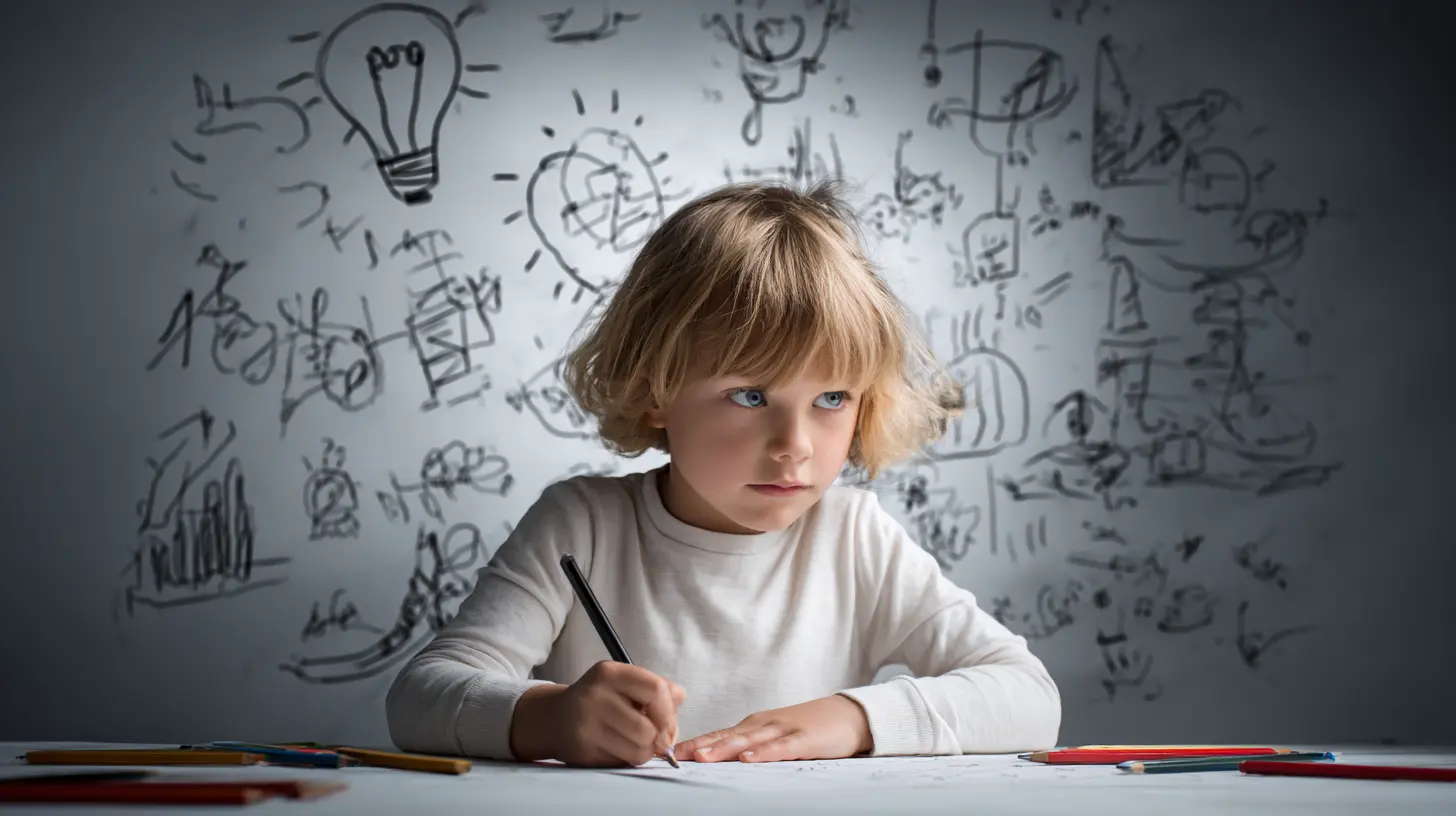
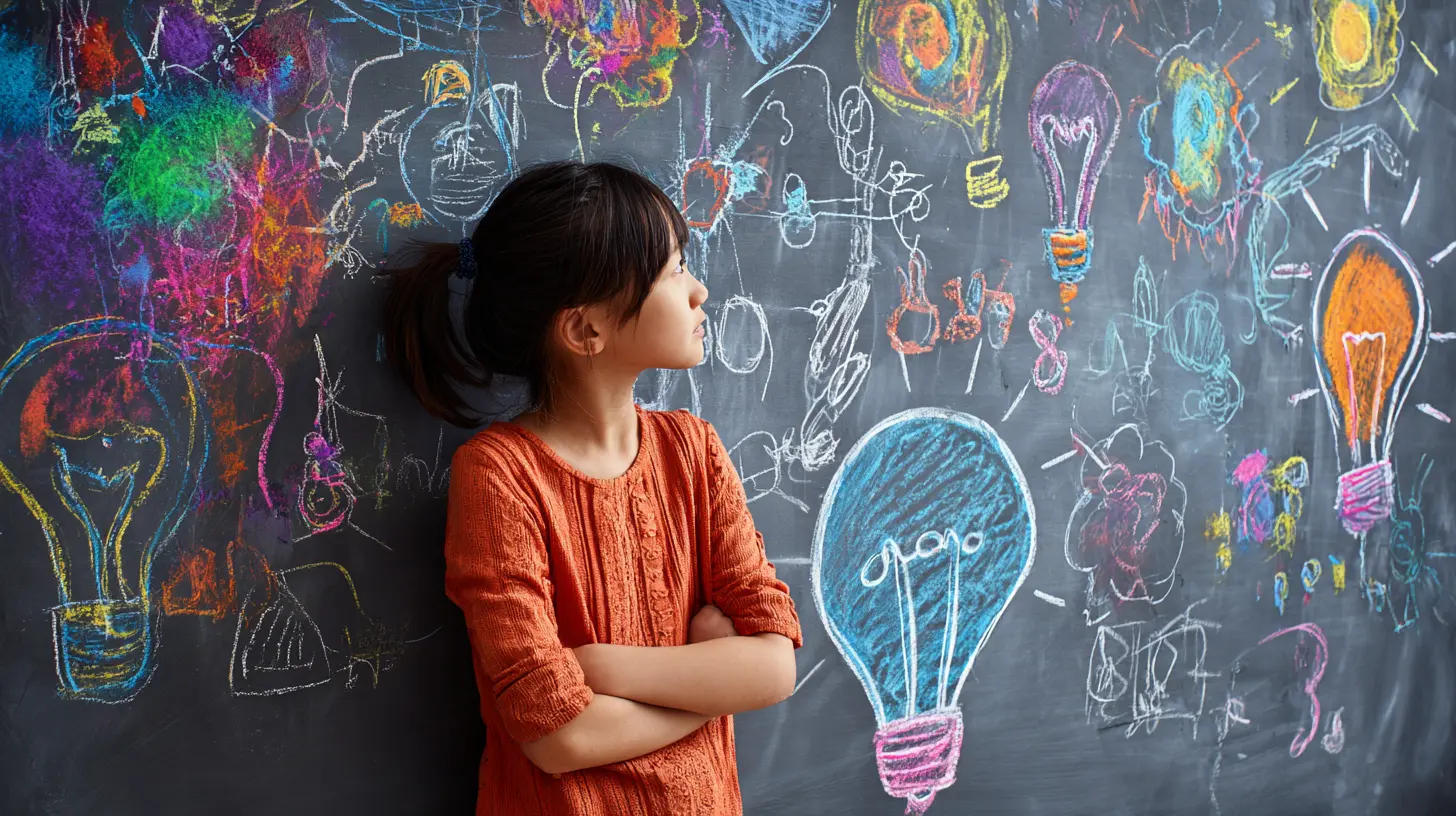
I am going to pick on the pencil for a second. And the pen. And the keyboard. Basically, any tool that forces you to commit to an idea before it is ready. The problem with most classroom tools is that they are permanent. You write something down, and it is there. You cannot un-write it. You cannot smudge it into something new. This creates a fear of making mistakes. And fear is the kryptonite of creativity.By 2026, the tool of choice is going to be the sticky note. Or the whiteboard. Or the digital canvas where you can drag, drop, erase, and flip things upside down. The idea is "low fidelity." You do not need a perfect drawing. You need a rough sketch. You need to be able to change your mind five times in ten minutes without anyone judging you.
This is a huge shift. Right now, most classrooms are obsessed with the final product. The poster, the essay, the PowerPoint. But creativity does not happen in the final product. It happens in the messy middle. So, by 2026, we are going to see more "prototyping" in classrooms. Kids will build things out of tape and cardboard before they ever touch a computer. They will fail fast, fail often, and fail forward. And that is a good thing. Because if you are not failing, you are not trying anything new.
The Return of Boredom
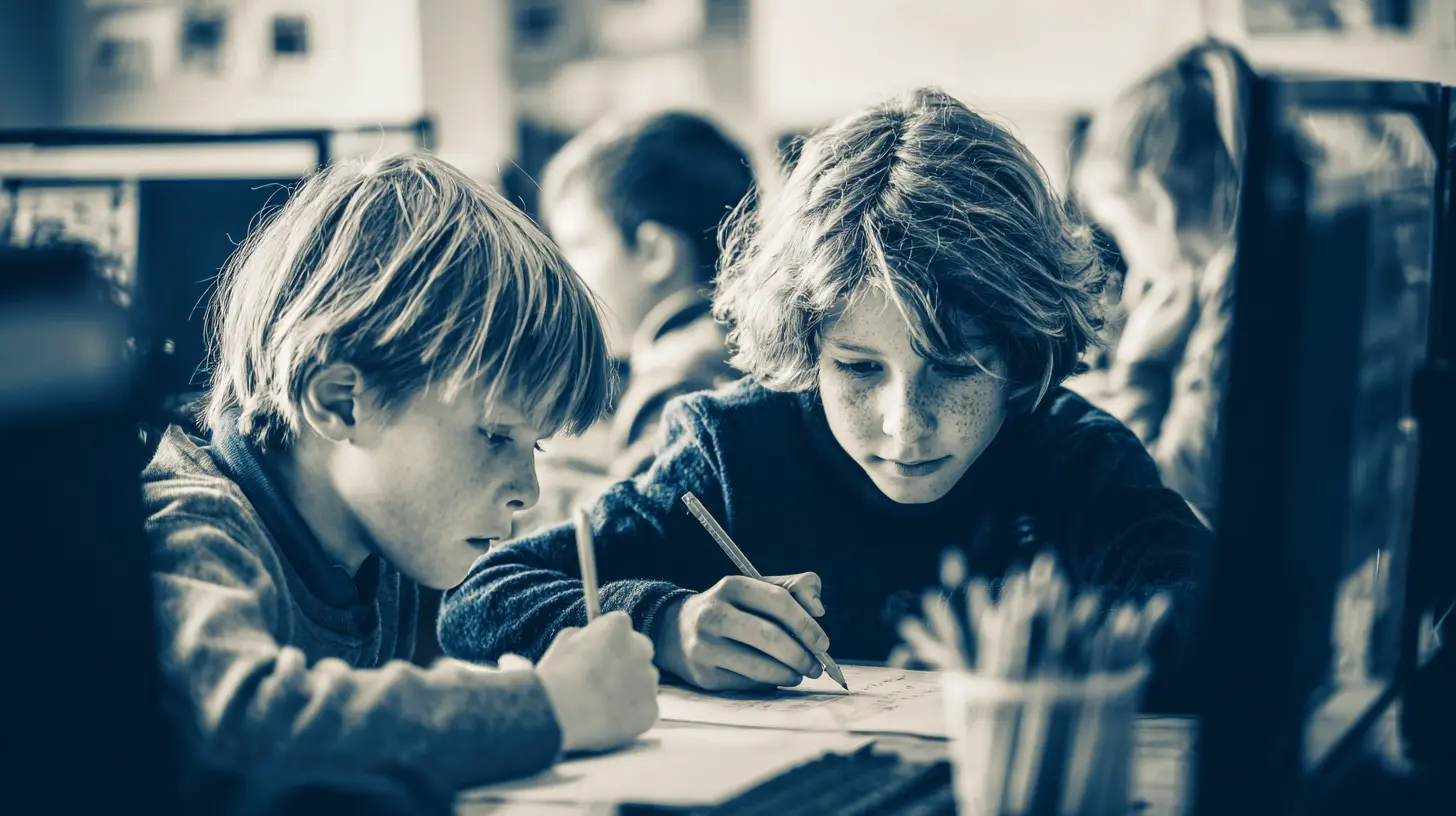
You might think that creativity comes from stimulation. You give a kid a bunch of cool tools, some colorful markers, a VR headset, and boom, creativity happens. Wrong. Creativity comes from boredom. When you are bored, your brain starts to wander. It starts making connections between things that do not belong together. That is the birthplace of ideas.By 2026, we are going to see a backlash against the "every minute must be productive" mentality. Schools are going to reintroduce downtime. Not structured recess where you have to play a specific game. Just... nothing. Empty time. Time to stare at the ceiling. Time to doodle. Time to think.
This is going to be hard for parents. We have been trained to believe that if our kid is not doing something, they are falling behind. But the most creative people in history spent a lot of time doing nothing. Einstein daydreamed. Steve Jobs walked. J.K. Rowling stared out a train window. By 2026, the best classrooms will have a "boredom corner." A couch, a window, maybe a pile of random junk. And the teacher will say "Go sit there and think about nothing." It sounds ridiculous. But it might be the most important lesson they ever learn.
The Teacher as a DJ, Not a Lecturer
Let us talk about the person in the front of the room. The teacher. Right now, most teachers are expected to be the "sage on the stage." They have all the knowledge. They pour it into empty heads. This model is dead. It has been dead for a decade. But we keep propping it up like a zombie.By 2026, the teacher is going to become a DJ. They do not create the music. They curate it. They read the room. They know when to drop a fast beat (a brainstorming session) and when to slow it down (a quiet reflection). They mix different sources. They bring in a YouTube video here, a guest speaker there, a hands-on activity right in the middle. They are not the source of knowledge. They are the conductor of the chaos.
This requires a completely different skill set. It requires flexibility, humor, and a willingness to let the lesson go off the rails. It also requires trust. Trust that the students will find their own way. By 2026, the best teachers will be the ones who can admit "I do not know" and then say "Let us find out together." That is the unlock. That is the moment when a classroom stops being a factory and starts being a lab.
The Myth of the "Creative Type"
There is a pervasive lie that some people are creative and some people are not. You hear it all the time. "Oh, I am not a creative person. I am a math person." This is garbage. Creativity is not a personality trait. It is a muscle. And every single human being has it. You just have to exercise it.By 2026, schools are going to stop labeling kids. No more "the artist" or "the engineer." Instead, they will teach that creativity is a process that applies to everything. You can be creative in how you solve a math problem. You can be creative in how you organize your locker. You can be creative in how you apologize to a friend.
This is a huge shift in mindset. It means that the kid who struggles with painting might be a genius at creative problem-solving. It means that the "class clown" is actually demonstrating improvisational creativity. We are going to stop putting creativity in a box labeled "art class." We are going to spread it across the entire curriculum. And that is going to make a lot of people uncomfortable. Because it means that the quiet kid in the back might be the most creative one in the room, and we have been ignoring them for years.
The 2026 Classroom: A Glimpse
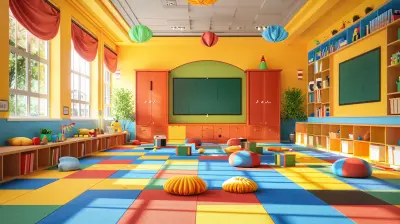
Let me paint you a picture of a classroom in 2026. It is not a room with rows of desks. It is a space with movable furniture, walls you can write on, and a pile of junk in the corner. The teacher is sitting on a beanbag, not at a podium. The students are building something. I do not know what. They do not know what. That is the point.There is no bell schedule. There are no tests. There is just a problem. "How do we make our school more sustainable?" The kids are arguing. One of them is drawing a diagram on the window. Another is researching solar panels on a tablet. A third is building a model out of recycled water bottles. It is loud. It is messy. It is stressful. But it is real.
This is not a utopia. It is going to be hard. Parents will complain that their kids are not learning "real" skills. Administrators will freak out about test scores. But the kids will be engaged. They will be thinking. They will be creating. And that is the whole point.
The Real Reason We Are Doing This
Let us be honest. The reason we are unlocking creativity by 2026 is not because we love kids. It is because we are scared. The economy is changing. AI is coming. The jobs of tomorrow do not exist yet. The only thing we can give our kids is the ability to think for themselves. To adapt. To create something out of nothing.So, we are going to throw out the old playbook. We are going to embrace the chaos. We are going to let kids fail. We are going to let them be bored. We are going to let them ask stupid questions. And somewhere in all that mess, we are going to unlock something that has been there all along. Their creativity.
Will it work? Who knows. But it is better than the alternative. Which is a room full of silent kids, filling in bubbles, waiting for the bell to ring. That is not education. That is just time passing. By 2026, let us hope we are brave enough to do something different.
all images in this post were generated using AI tools
Category:
21st Century SkillsAuthor:
Olivia Chapman
Discussion
rate this article
2 comments
Solenne Cummings
This article is a fantastic reminder of the importance of fostering creativity in education. By prioritizing innovative teaching methods, we can inspire students to think outside the box and develop skills that will serve them for a lifetime.
July 26, 2026 at 12:31 PM
Olivia Chapman
Thanks for your thoughtful comment! I completely agree that prioritizing creativity in education can truly shape our students' futures.
Casey McMahon
This article offers fresh insights on fostering creativity in schools, highlighting innovative strategies that can transform classroom experiences by 2026.
May 12, 2026 at 3:57 AM
Olivia Chapman
I'm glad you found the insights valuable. Transforming classrooms is essential for nurturing creativity. Thanks for the feedback!