Using Literature to Bridge Cultural Gaps
24 August 2026
Have you ever read a book that transported you into a world so different from your own that you felt like you were walking foreign streets, tasting unfamiliar spices, or speaking a language you’ve never heard before? That’s the quiet power of literature — a simple page turn and suddenly, you're not just reading someone else's story — you're living it.
In our beautifully messy world, filled with over 7,000 languages and countless traditions, cultures, and belief systems, we’re bound to bump into misunderstandings. That’s where literature comes in. It’s not just art. It’s not just a form of escape. Literature is a bridge. And no, not the fancy kind made of steel and concrete — it’s the type built word by word, sentence by sentence, carrying hearts and minds across oceans of differences.
In this article, let’s wander through the pages of global stories, unpack why literature is more than fiction or facts, and see just how it brings people closer together. Ready? Let’s turn the page.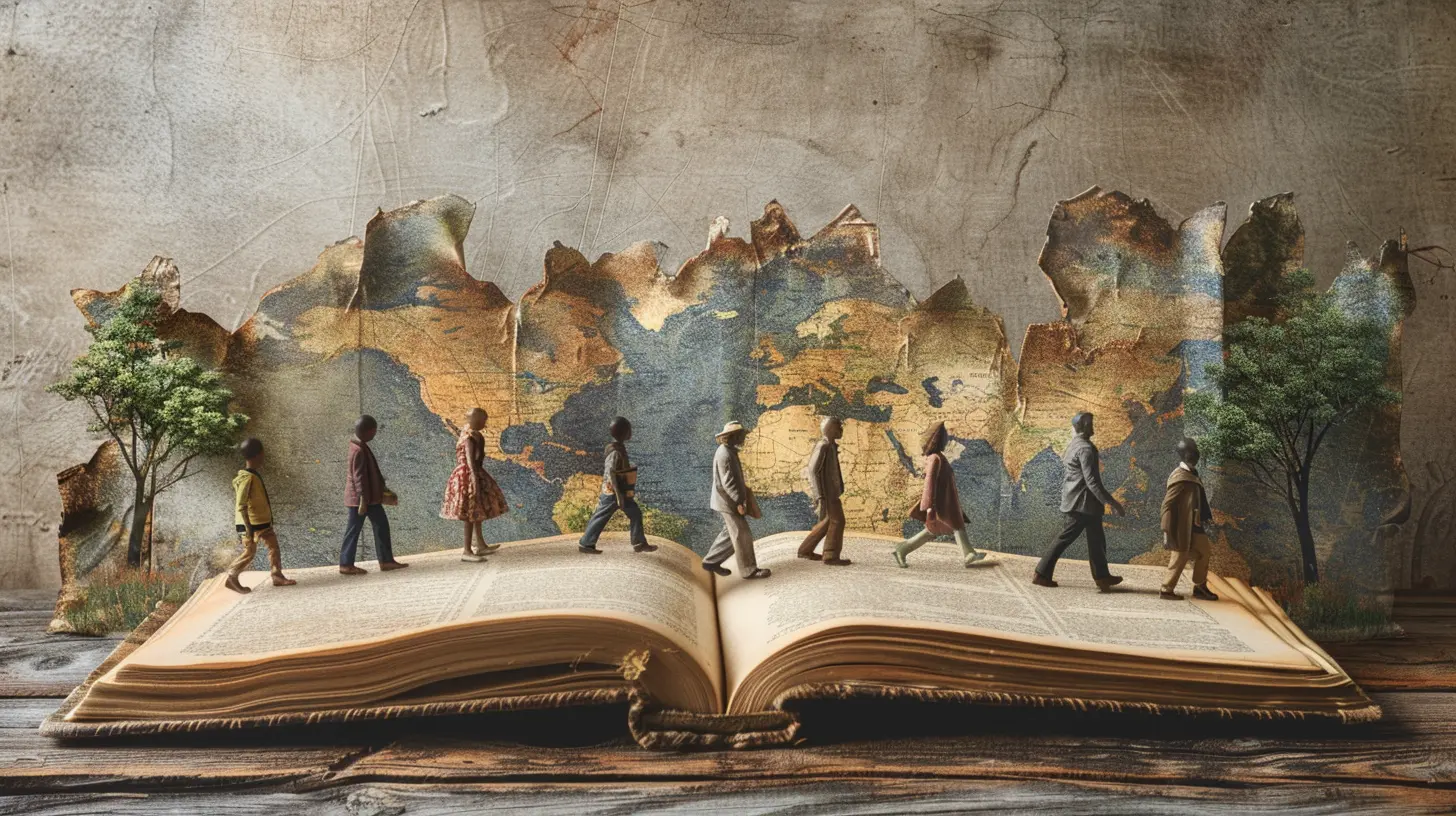
What Does It Mean To Bridge Cultural Gaps?
Before we dive into the meat of the story, let’s get clear on one thing — what exactly are cultural gaps?Imagine two people from completely different worlds — different customs, ways of speaking, family dynamics, holidays, values, even ways of expressing love or grief. One shakes hands, the other bows. One eats with chopsticks, the other with their hands.
A cultural gap happens when there’s a lack of understanding or knowledge about these differences. And it’s not always hostile — sometimes it’s just because we haven’t had the chance to learn about one another. Now, bridging that gap? That’s about creating understanding, empathy, and connection. And literature? It's one of the oldest and most powerful tools we’ve got.
Literature as Our Shared Human Mirror
Here’s a thought — people from all walks of life write stories, and when they do, they’re tapping into something fundamentally human.When a mother in Nigeria writes about sending her child to school, or a teenager in South Korea journals about failing exams, or a Cuban grandfather tells tall tales about his past — it doesn’t matter where the story is set. We get it. Why? Because while our specifics might differ, the feelings? The struggles? The hopes? Those are universal.
Reading literature from different cultures doesn’t just teach us about “the other” — it gently shows us that there is no other. There’s only us, just scattered across the globe with different flavors and accents.
Stories That Cross Borders
Let’s get specific. We’re not just talking theory here — we’re talking about real books that have shaped new understandings.Take Chinua Achebe's "Things Fall Apart". It's more than a novel. It's a window into pre-colonial Igbo society and the disruption caused by colonialism. If you’ve never been to Nigeria, this novel takes you there.
Or how about Haruki Murakami, whose surreal yet grounded tales give us a peek into contemporary Japanese life, often wrapped in loneliness, jazz records, and parallel worlds.
Then there's "The Kite Runner" by Khaled Hosseini, which invites readers into the soul of Afghanistan — its beauty, its pain, and its resilience. It’s deeply personal, yet profoundly political.
These aren't just books you read. They're books you feel.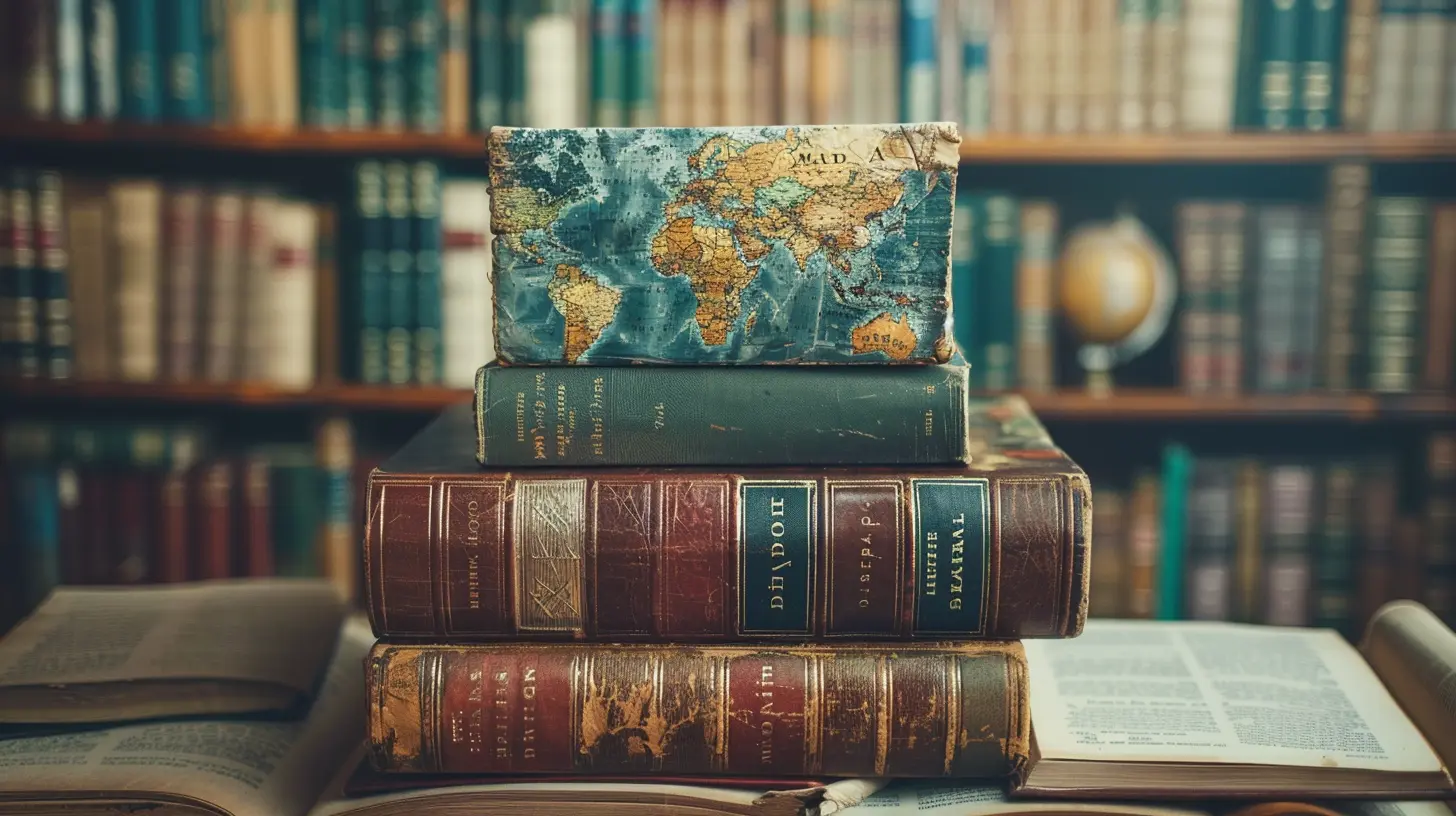
The Classroom: A Safe Space For Cultural Exploring
Now, let’s get educational.Teachers, this one's for you. Literature classrooms can be like cultural laboratories. When students read stories from other continents, they're not just completing an assignment — they’re walking in someone else’s shoes.
Incorporating multicultural literature into the curriculum helps open minds. Suddenly, that kid in rural Texas is reading about a family in Mumbai or a revolution in Iran. And guess what? That fictional journey fosters real-world empathy.
Plus, discussing literature in diverse groups? That’s where the magic really happens. Conversations spark. Perspectives shift. The world feels a little smaller — and a whole lot more connected.
Representation Matters (A Lot)
Let’s talk about who gets to tell stories — and who gets heard.For years, the literary spotlight has often been narrow. Western voices, typically white, male, and middle-class, dominated the scene. But things are changing — slowly but surely. More authors from underrepresented communities are being published, celebrated, and studied.
When readers can see themselves in a story, it validates their experience. It says, “You matter. Your story counts.” And for those outside that identity, it says, “This life is real too. Pay attention.”
Representation in literature isn’t just trendy — it’s transformative.
Poetry: The Universal Language of Emotion
Let’s not forget poetry — literature’s soul in condensed form.You don’t need to understand every word in a poem to feel it. Whether it’s Rumi from Persia, Pablo Neruda from Chile, or Langston Hughes from Harlem, poetry leaps over language, culture, and time to land straight in the heart.
Poetry captures cultural essence — rituals, landscapes, rhythms — all in a few lines. Reading it is like sipping a concentrated cup of someone's worldview. A tiny window into their soul.
Literature Sparks Difficult Conversations
One of literature’s bravest tasks? It makes us face hard truths.Books have confronted colonialism, racism, war, gender inequality, and other ugly realities of our shared history. They don’t sugarcoat. They challenge.
And when readers sit with uncomfortable stories that don’t reflect their own experience — that’s where growth happens. It’s not about guilt or blame. It’s about understanding.
Some books might make you squirm. Others might make you cry. But almost all will make you think. And thinking leads to empathy. And empathy? That’s how we change the world.
How Readers Become Global Citizens
Here’s a bold claim: The more stories you read from different perspectives, the less likely you are to be prejudiced. Why? Because ignorance breeds fear — and stories cure ignorance.Reading diversely isn’t just about academics. It’s about developing cultural intelligence. It shapes people who are curious, open-minded, and less quick to judge.
That’s the kind of education that books bring — not just facts, but character.
The Digital Age: A New Chapter in Cultural Exchange
Now, thanks to eBooks, online reading platforms, and global book clubs, accessing stories from around the world has never been easier. You can read a memoir from Nairobi on your phone or listen to an audiobook from Buenos Aires on your morning jog.Translation has also come a long way. While it’s true some meaning may get lost, skilled translators become cultural ambassadors. They don’t just convert words — they carry the spirit of the story into new lands.
The internet age hasn’t dampened literature’s power. If anything, it’s amplified it.
How To Read Beyond Your Bubble
So, ready to let literature expand your worldview? Here’s how to start:- Curate a Diverse Reading List: Mix it up — authors from different countries, genders, and ethnicities.
- Join Global Book Clubs: There are tons online. They offer fresh perspectives and engaging discussions.
- Read in Translation: Try translated authors. It’s like traveling without a passport.
- Ask for Recommendations: Librarians, teachers, and friends are goldmines for suggestions.
- Support Diverse Authors: Buy their books, attend readings, share their work.
Final Thoughts: A World Made Closer by Words
The world is wide — full of dazzling variety and heartbreaking beauty. But it doesn’t have to feel like strangers separated by culture and geography. Literature brings us together in a way that few things can.Every book you pick up is a passport. A teacher. A friend. A whisper from another world saying, “Here’s what life is like for me.” And if you listen closely, really listen — you’ll start to see that, under all our differences, we’re more alike than we ever imagined.
So, the next time you curl up with a book, remember — you’re not just reading. You're connecting. You're understanding. You're bridging a cultural gap.
And you’re making the world a little brighter with every page you turn.
all images in this post were generated using AI tools
Category:
Cultural AwarenessAuthor:

Olivia Chapman
Discussion
rate this article
2 comments
Kairoth Perry
Literature has an incredible power to connect us across cultures. It invites empathy, opens minds, and fosters understanding, reminding us that while our stories differ, our emotions and experiences unite us.
September 1, 2026 at 11:48 AM
Olivia Chapman
Absolutely, literature truly breaks down barriers and highlights our shared humanity. It's a powerful tool for connection and understanding.
Jax Barrett
What a wonderful read! Using literature as a bridge between cultures is like sharing a delicious meal with friends from different backgrounds. Each story adds spice to our lives, helping us understand and appreciate the flavors of others. Let's keep turning pages and making connections!
August 27, 2026 at 10:41 AM
Olivia Chapman
Thank you for the kind words! I love the idea of literature as a shared meal, enriching our understanding of each other. Let's keep exploring together!