Why Cultural Competence Matters in Higher Education
7 January 2026
Well, well, well… cultural competence in higher education—what a shocker, right? Imagine a world where students and educators actually understand and respect each other’s backgrounds. Revolutionary, I know. But hey, sarcasm aside, cultural competence is not just some fancy buzzword academics throw around to sound progressive. It’s the real deal.
In today’s global society (yes, the world is bigger than your campus library), higher education institutions need to embrace cultural competence, not as an afterthought, but as a core part of their mission. Because, let’s face it, preparing students for diverse workplaces and communities isn’t just a "nice-to-have"—it’s a must.
So, grab a coffee (or a tea, because cultural inclusivity, duh), and let's break down why cultural competence is not just a trend but a necessity in higher education.

What is Cultural Competence, And Why Should You Care?
For those who slept through their sociology classes, cultural competence is the ability to understand, communicate with, and effectively interact with people across different cultures. It’s about more than just knowing that sushi is Japanese and tacos are Mexican. It’s about appreciating, respecting, and navigating cultural differences without making a fool of yourself.But why should you care? Because, spoiler alert: The world is not a monolith. Students from all walks of life come together in higher education settings. If they don’t learn to collaborate and coexist now, how exactly are they supposed to function in diverse workplaces later?
The Role of Higher Education in Promoting Cultural Competence
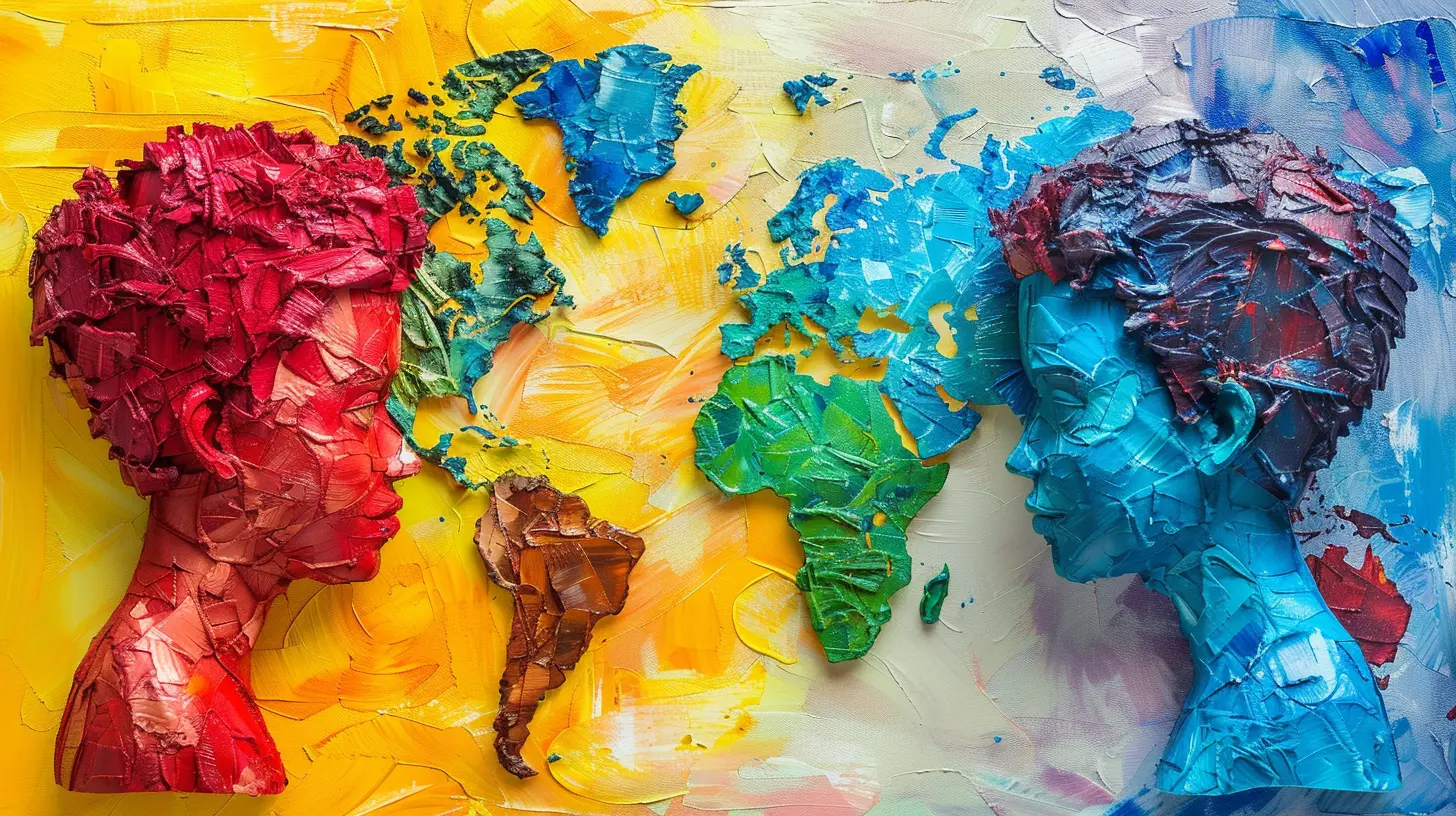
Now, you might be thinking, "Isn’t this just common sense?" Well, if it were, we wouldn’t have so many awkward cross-cultural misunderstandings. That’s why it falls on higher education institutions to step up and do more than just admit diverse students. They need to create an environment where differences aren’t just tolerated but genuinely valued.1. Diverse Curriculum Matters—Shocking, Right?
A curriculum that only includes Western perspectives is like watching a movie with only one main character—it gets boring real quick. Universities need to incorporate diverse voices in literature, history, science, and even business studies. If students graduate thinking the world revolves around a single cultural narrative, then higher education has epically failed them.2. Faculty Diversity—Because Representation Isn’t Just a Hashtag
How can students develop cultural competence when the faculty looks like a monochrome painting? Representation in academia matters. A diverse faculty brings different perspectives, teaching styles, and life experiences that enrich students' understanding. Plus, it helps students from minority backgrounds see themselves reflected in leadership positions.3. Campus Policies That Walk the Talk
It’s cute when universities say they support diversity, but it’s downright embarrassing when their policies don’t reflect it. Institutions need to move beyond token gestures and implement real strategies—like inclusive hiring practices, robust anti-discrimination policies, and meaningful multicultural initiatives. You know, actually putting their money where their mouth is.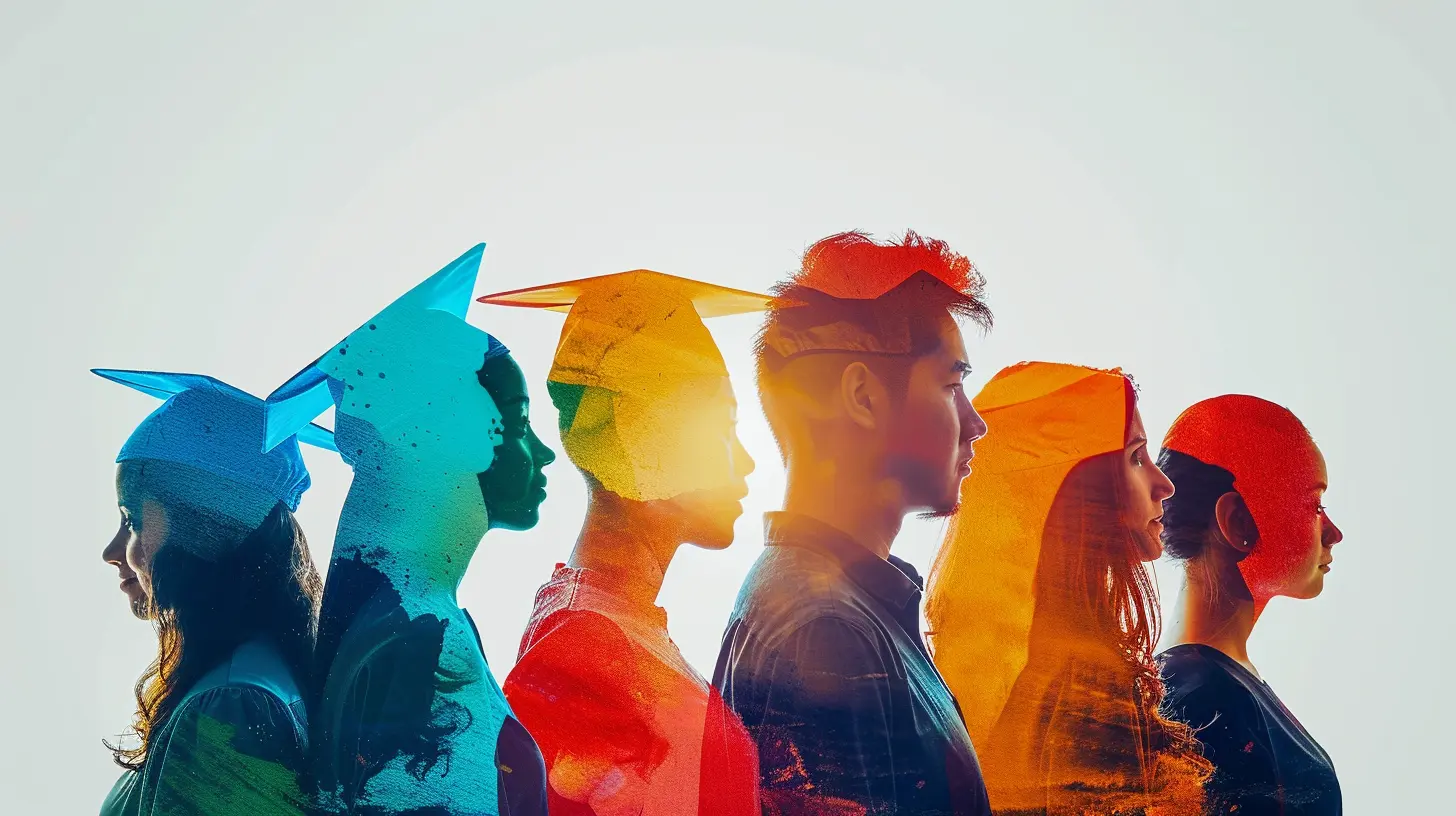
The Benefits of Cultural Competence in Higher Education
Still not convinced? Maybe some tangible benefits will do the trick.1. Better Communication Skills (Because Miscommunication is a Disaster)
Ever had that cringe-worthy moment where someone says something completely innocent, but another person takes it the wrong way? Yeah, cultural misunderstandings are fun… until they create conflict. Cultural competence helps students navigate these interactions, reducing unnecessary drama and misinterpretations.2. Higher Emotional Intelligence—Congrats, You’re Less Likely to Offend People
Understanding different cultures naturally builds empathy. When students engage with diverse perspectives, they develop emotional intelligence, which, let’s be honest, is a life skill every adult should master. It makes them better teammates, leaders, and just overall less insufferable humans.3. Increased Employability—Yes, This Actually Helps Your Career
Employers don’t just hire based on GPAs (shocking, I know). They want well-rounded individuals who can thrive in diverse teams. Knowing how to work with people from different backgrounds is not only a résumé booster but also a career game-changer.4. A More Inclusive & Welcoming Campus Environment
Nobody wants to feel like an outsider on their own campus. Cultural competence fosters a sense of belonging for everyone. When students and staff respect and celebrate different backgrounds, campuses become safer, more inclusive spaces where everyone can thrive.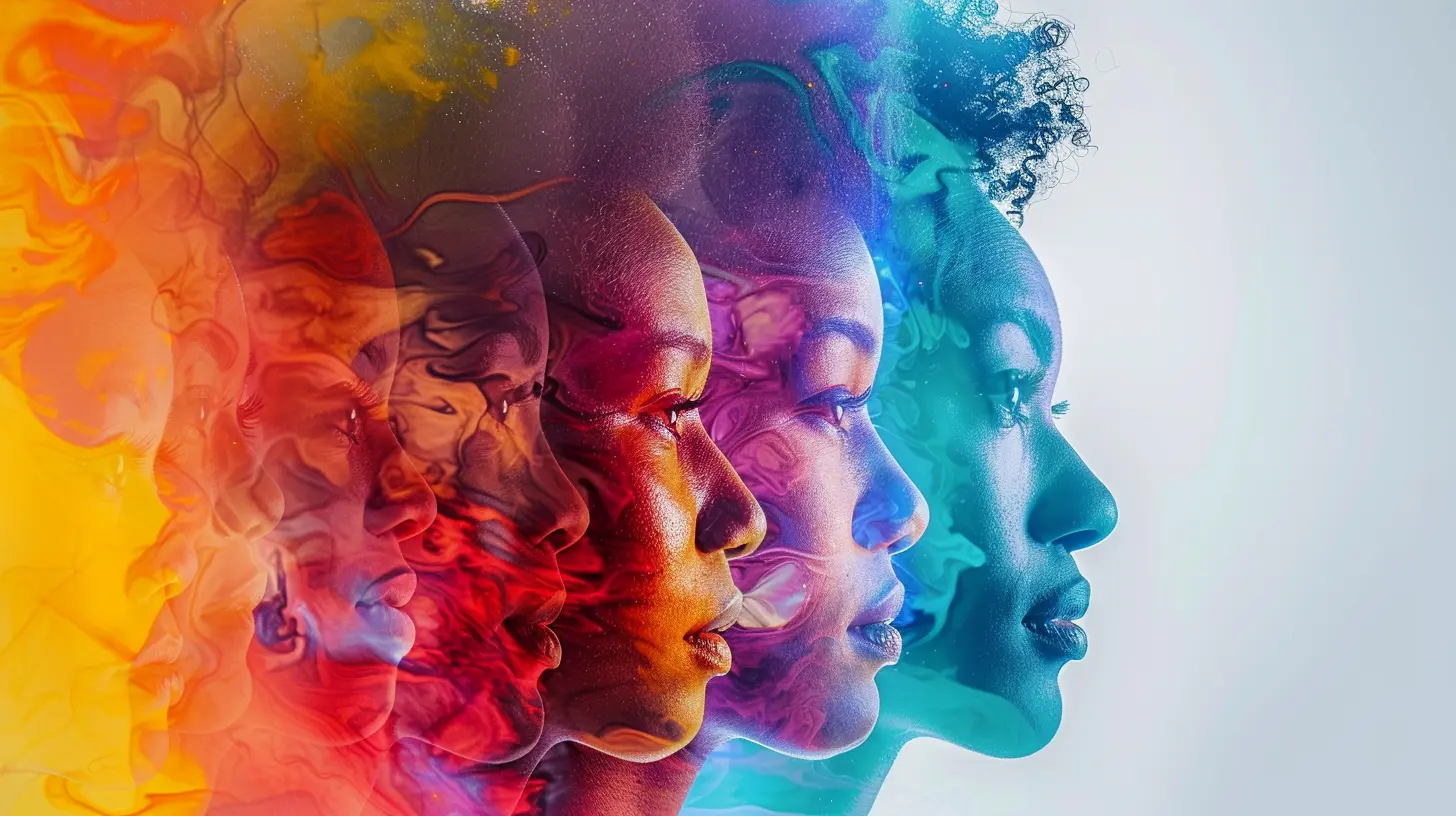
The Challenges of Implementing Cultural Competence in Universities
Alright, we’ve hyped up cultural competence enough. But let’s be real—it’s not all sunshine and rainbows. Universities still struggle to implement this effectively. Why?1. Resistance to Change—Because Tradition is Apparently Sacred
There’s always that one group of people who think, "We’ve been doing fine for decades; why change now?" Newsflash: The world is changing, and education needs to keep up. Sticking to outdated methods is like refusing to upgrade your phone for ten years—eventually, things just stop working.2. Lack of Resources (A.K.A. The Excuse That Never Gets Old)
Some institutions claim they don’t have the budget to implement cultural competence programs. Yet, they somehow manage to fund new football stadiums and luxury dorms. Funny how that works. Prioritizing equity and inclusion shouldn’t feel like an optional expense—it’s an investment in students' futures.3. Unwillingness to Address Uncomfortable Conversations
Talking about racism, privilege, and cultural biases can feel like walking through a minefield. But avoiding uncomfortable conversations doesn’t magically make issues disappear. Universities need to create spaces where these discussions can happen constructively without fear of backlash.How Students Can Build Their Own Cultural Competence
Waiting around for universities to get their act together is one approach… or students can take matters into their own hands. Here’s how:1. Step Outside Your Comfort Zone (Yes, That Means Socializing Beyond Your Usual Circle)
If you’ve only ever interacted with people who look, think, and act like you, it’s time to broaden your horizons. Attend cultural events, join diverse student organizations, or simply strike up conversations with classmates from different backgrounds.2. Listen More, Assume Less
You don’t have to know everything about every culture (good luck with that). But you can listen when people share their experiences. Instead of assuming or stereotyping, ask questions and approach conversations with curiosity rather than judgment.3. Educate Yourself—Google Is Free, You Know?
We live in an era where information is literally at our fingertips. Read books, follow diverse voices on social media, and stay informed about cultural issues. Ignorance is no longer a valid excuse.
Final Thoughts—Cultural Competence Isn’t Optional
At the end of the day, cultural competence in higher education isn’t about being politically correct or ticking diversity checkboxes. It’s about preparing students for the real world—a highly diverse, interconnected world where understanding cultural differences is crucial for success.So, whether you’re a student, educator, or university administrator, it’s time to stop treating cultural competence as a side project and start prioritizing it. Because, guess what? The future belongs to those who can navigate diversity, not just tolerate it.
all images in this post were generated using AI tools
Category:
Cultural AwarenessAuthor:

Olivia Chapman
Discussion
rate this article
2 comments
Jessica McClendon
Cultural competence enriches learning environments, fostering inclusivity and preparing students for a diverse world.
February 4, 2026 at 4:37 AM
Olivia Chapman
Thank you for your insightful comment! I couldn't agree more—cultural competence is essential for creating inclusive learning environments that empower students to thrive in a diverse society.
Christina McInerney
Cultural competence in higher education fosters inclusivity and enhances learning by bridging diverse perspectives. It prepares students for a globalized world, promoting understanding and collaboration essential for personal and professional success.
January 8, 2026 at 12:20 PM
Olivia Chapman
Thank you for your insightful comment! I completely agree—cultural competence is vital for fostering inclusivity and equipping students with the skills they need to thrive in a diverse, globalized society.