Middle School Reading Crisis: Why American Teens Are Falling Behind
June 21, 2026 - 17:19
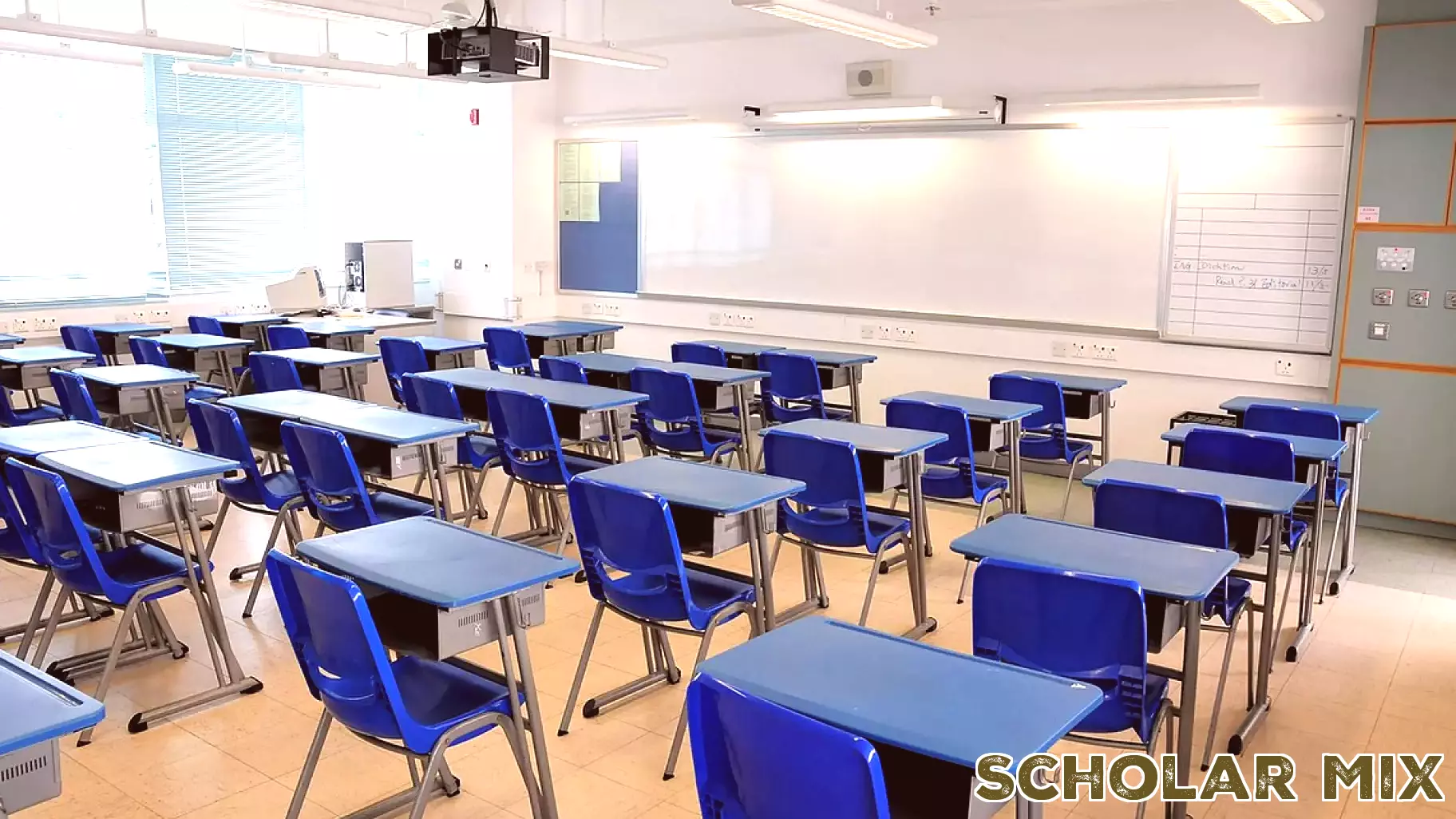
New data reveals a troubling shift in America's education landscape. While today's 9-year-olds read better than their counterparts from 50 years ago, the same cannot be said for 13-year-olds. The progress made in early elementary years seems to evaporate once children reach middle school.
The numbers tell a stark story. For decades, reading scores among younger students steadily improved, thanks to focused phonics instruction and early intervention programs. But somewhere around fifth or sixth grade, that momentum stalls. By the time students enter their teenage years, reading proficiency has flatlined or declined compared to previous generations.
Experts point to several factors. Middle school is when reading demands shift dramatically. Students move from "learning to read" to "reading to learn," encountering denser texts, complex vocabulary, and abstract concepts. Many schools fail to provide the scaffolding needed during this transition. the rise of smartphones and social media competes for adolescent attention, making sustained reading less appealing.
The pandemic worsened existing trends. Remote learning disrupted crucial instruction during formative years, and many students never fully recovered. But the problem predates COVID-19. For two decades, reading scores for 13-year-olds have remained stubbornly stagnant while younger children improved.
This middle school slump has serious consequences. Students who struggle with reading by eighth grade are far less likely to graduate high school or pursue higher education. They face barriers in every subject, from history to science, where reading comprehension is essential.
Some schools are experimenting with solutions: dedicated reading blocks in middle school, teacher training in adolescent literacy, and programs that make nonfiction texts more engaging. But reversing this trend will require acknowledging that America's reading crisis is not just an early childhood problem. It is a middle school problem that demands attention before another generation of teenagers falls behind.
MORE NEWS
September 20, 2026 - 00:40
Supreme Court finds Wyoming must spend more on teachers, strikes down other funding demandsThe Wyoming Supreme Court ruled Thursday that the state must increase spending on teacher salaries, delivering a partial victory to education advocates who argued the current funding model fails to...
September 19, 2026 - 02:07
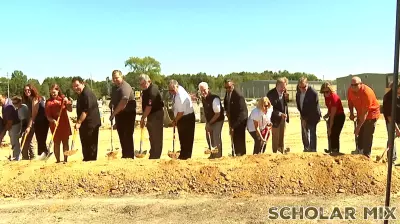
Construction Begins on Aviation Education Center at Youngstown-Warren Regional AirportA groundbreaking and ribbon-cutting ceremony took place Friday at the Youngstown-Warren Regional Airport in Vienna, marking the start of a new aviation education center. The event brought together...

September 18, 2026 - 17:40
Rutgers School of Nursing Wins Higher Education Excellence and Distinction Award for Fifth Consecutive YearRutgers School of Nursing has been named a recipient of the 2026 Health Professions Higher Education Excellence and Distinction Award, marking the fifth consecutive year the school has received...

September 18, 2026 - 00:42
Education past and future: Colchester Historical Society hosts Vermont Schoolhouse ProjectCOLCHESTER - The conversation about what comes next for Vermont`s education system is often focused on test scores, budgets, and building conditions. A recent event hosted by the Colchester...