National call to action needed to strengthen primary care pipeline in medical education, argue experts
September 4, 2026 - 17:55
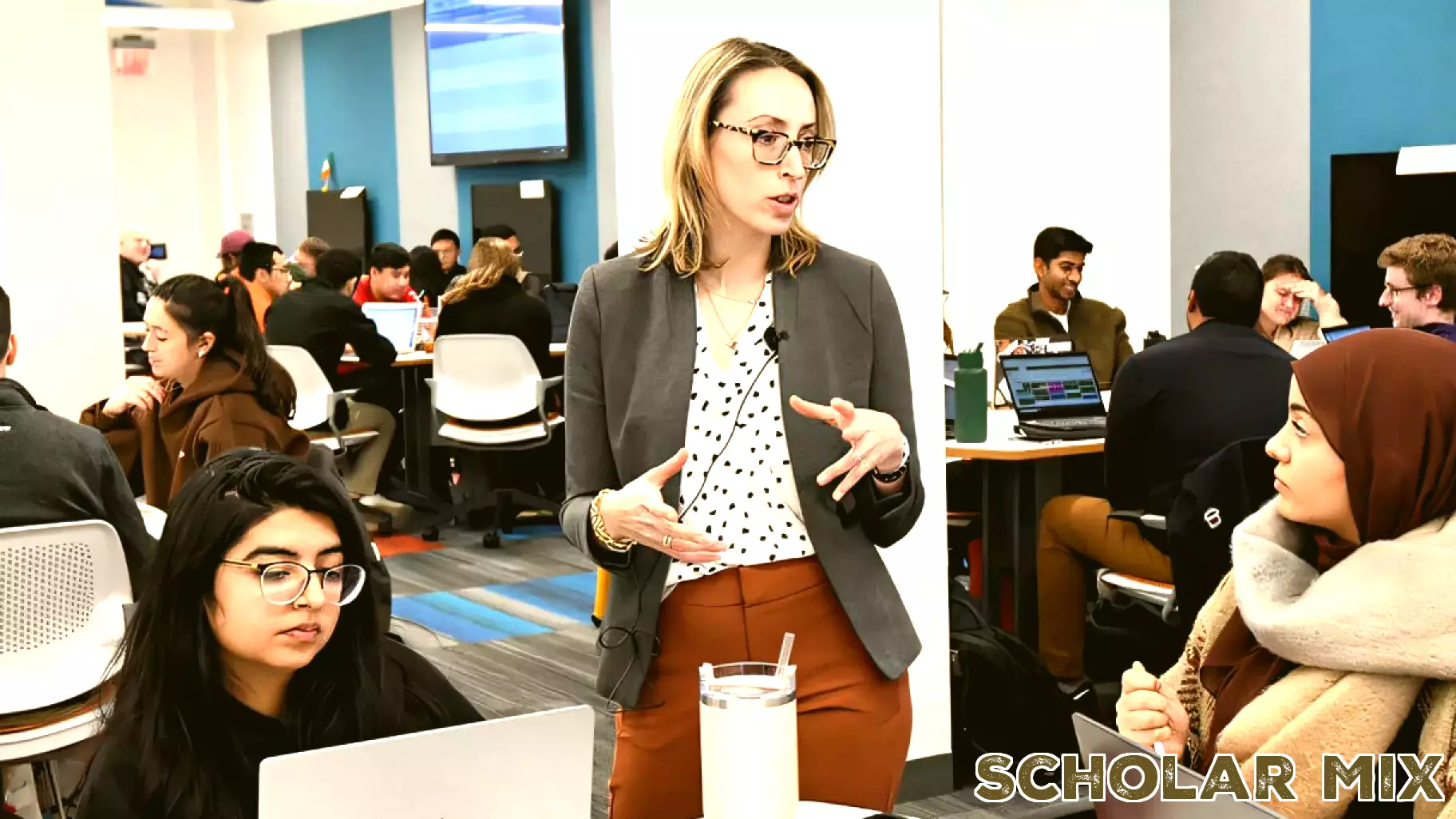
Finding a primary care physician has become a frustrating exercise for millions of Americans. The shortage is not just a rural problem or an urban one; it cuts across every community. The thousands of doctors needed to fill the gap are not coming, and a new paper from researchers at the Hackensack Meridian School of Medicine argues that the root cause lies in how medical education is structured from day one.
The authors call for a coordinated national strategy, not just piecemeal fixes at individual institutions. They point out that medical students are often steered toward specialties by financial pressure, prestige, and a curriculum that gives little early exposure to longitudinal patient care. By the time students choose a residency, many have never spent meaningful time in a clinic that treats the same patients over years. The result is a pipeline that leaks talent at every stage.
The paper suggests that medical schools need to rethink admissions criteria, rewarding applicants with a demonstrated commitment to community service rather than just high test scores. It also urges federal and state policymakers to tie funding to primary care outcomes, such as the number of graduates who enter family medicine or internal medicine. Loan forgiveness programs exist, but they are too narrow and often come too late.
Beyond policy, the authors argue for a cultural shift within academic health centers. Specialists are often held up as the pinnacle of medical achievement, while primary care is treated as a fallback. That attitude has to change at the faculty level. If attending physicians in primary care are given equal status in teaching, research, and promotion, students will see the field as a viable career, not a sacrifice.
The paper stops short of proposing a single federal mandate, but it is clear that voluntary efforts are not working. Without a unified call to action, the shortage will only deepen as the population ages and chronic disease becomes more common. The experts urge medical educators, hospital leaders, and lawmakers to treat this as a public health emergency, not an academic debate. The time for pilot programs is over. What is needed is a national commitment to make primary care the foundation of medical training again.
MORE NEWS

October 20, 2026 - 00:36
How an International Education Stands ApartFamilies weighing school options often ask what actually separates an international education from a strong local one. The answer goes beyond a different curriculum or a second language on the...

October 19, 2026 - 02:32
Josh Groban’s arts education foundation started with a $50,000 donation at a concert in 2005; two decades, its grants have reached 311 organisations with a new push reaching 600,000 studentsSinger Josh Groban`s commitment to arts education began with a $50,000 donation at a concert in 2005 and has since grown into a nationwide grant-making effort. His Find Your Light Foundation has...
October 18, 2026 - 02:55
Darcy Burbage: Advancing Survivorship Care Through Education and CollaborationDarcy Burbage is working to change how survivorship care is delivered, placing education and teamwork at the center of her efforts. Her work focuses on the period after active cancer treatment,...
October 17, 2026 - 10:41
IAIA Shuts Campus After Major IT FailureThe Institute of American Indian Arts closed its campus unexpectedly this week after a significant information technology disruption affected operations across the school. IAIA President Shelly...