Conflict Resolution Skills Every Student Should Learn
21 August 2026
Let’s face it — conflict is as much a part of life as breathing. Whether it’s a heated debate during a group project, a miscommunication between friends, or a clash of opinions in class, conflicts are bound to happen. And guess what? That’s totally normal. What matters most is how we deal with them.
Now, imagine having a secret toolkit that keeps your relationships intact, your stress levels low, and your problem-solving powers on point. That’s exactly what conflict resolution skills give you!
In this article, we're diving into the essential conflict resolution skills every student should learn. Not just to survive school life, but to thrive — both academically and socially.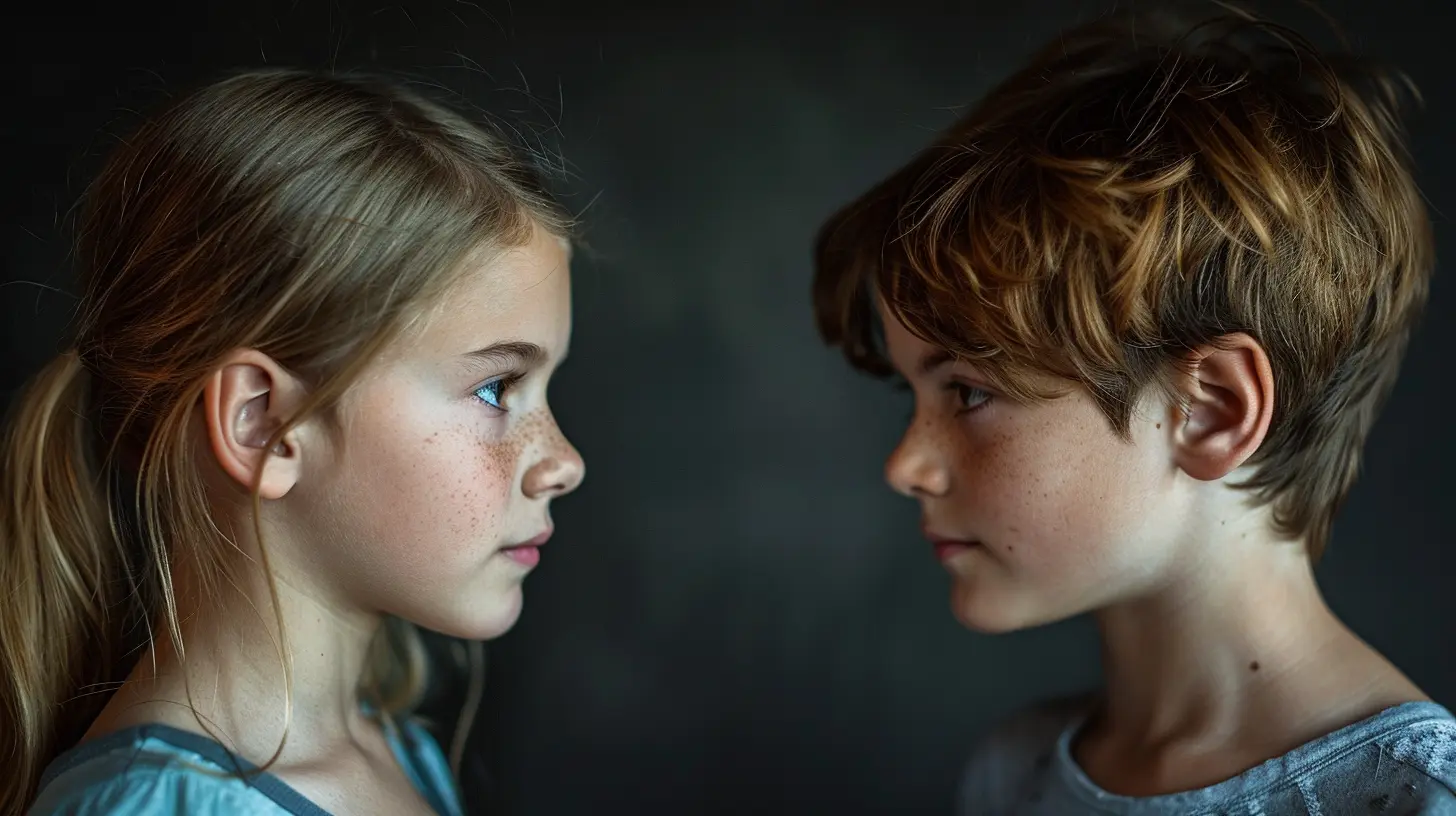
Why Conflict Resolution Skills Matter in School (and Beyond)
Before we jump into the how, let’s talk about the why. Why should you even care about learning how to resolve conflicts?Picture this: You’re in the middle of a group project, and one teammate isn’t pulling their weight. You’re frustrated, they’re annoyed that you called them out, and the rest of your team is just waiting for the drama to explode. Sounds familiar?
Conflict resolution skills help you navigate this minefield without blowing things up. These skills empower you to:
- Communicate clearly
- Listen actively
- Find common ground
- Stay calm under pressure
- Build stronger relationships
And hey, let’s not forget — these skills are gold in the real world too. Whether you’re heading to college, joining the workforce, or starting a business, knowing how to handle conflict like a pro can seriously set you apart.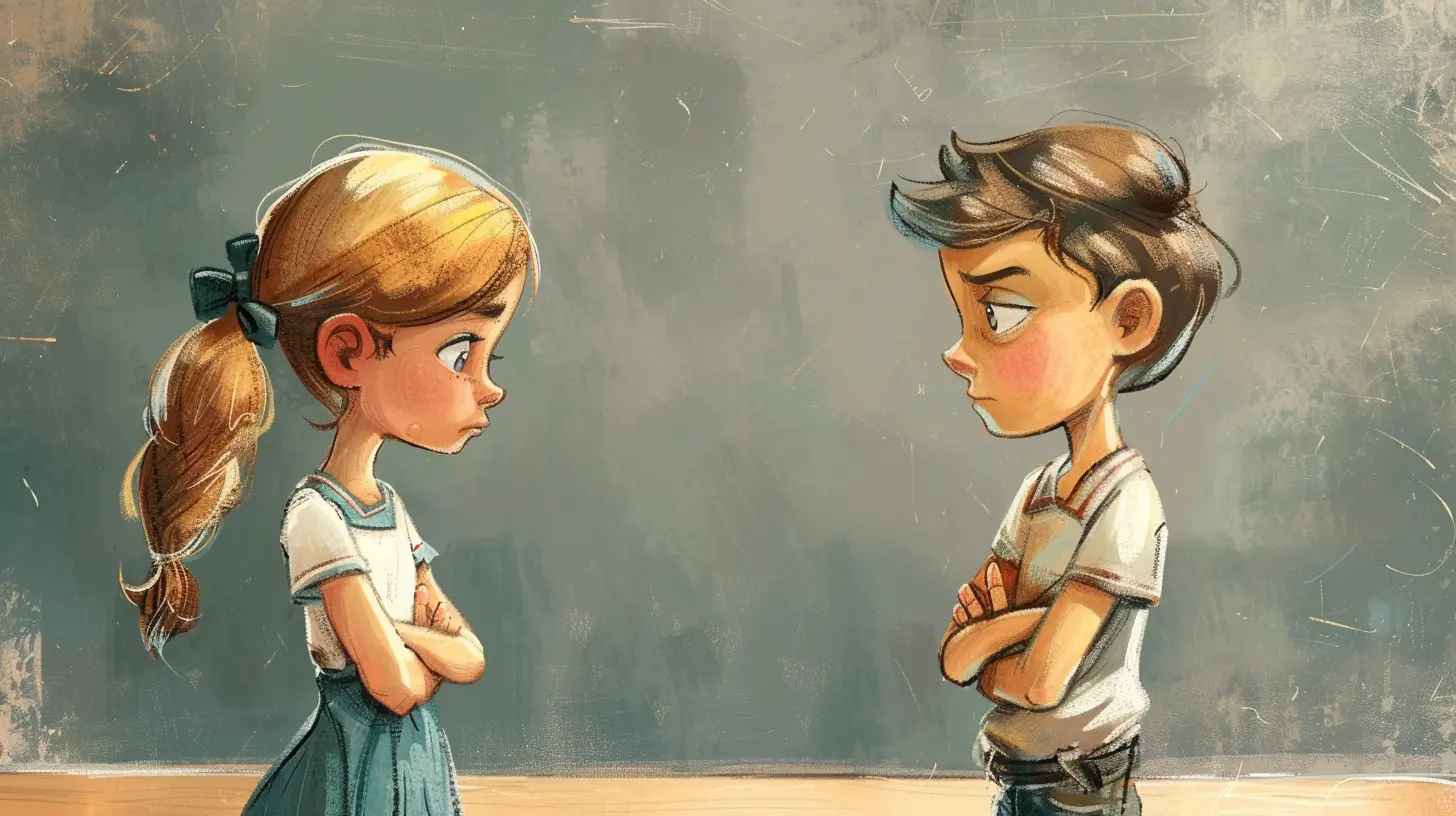
The Root of the Problem: What Causes Conflict Among Students?
To solve a problem, we need to first understand it. So, what fuels conflict among students?Here are a few usual suspects:
- Miscommunication – A classic one. Messages get lost in translation, especially over text or emails.
- Different expectations – Maybe one person wants an A+ while the other just wants to pass.
- Personality clashes – Some people are naturally laid back, others are perfectionists. Sparks can fly.
- Stress and pressure – Exams, deadlines, personal issues... stress can ignite conflicts like dry leaves catching fire.
- Lack of empathy – Sometimes, we just don’t take the time to see things from the other person’s perspective.
Knowing the causes makes it easier to prevent and manage conflicts. Now let’s roll up our sleeves and talk solutions.
Top Conflict Resolution Skills Every Student Should Learn
You don’t need to be a psychology major or a trained mediator to resolve conflicts. With a few key skills, you can handle almost any situation that comes your way.1. Active Listening: The Superpower We Ignore
Let’s be honest — most of us listen not to understand, but to reply. That’s where problems start.Active listening means:
- Giving your full attention
- Avoiding interruptions
- Reflecting back what you heard
- Asking clarifying questions
Say your classmate says, “I feel like I’m doing all the work in this project.” Instead of snapping, “That’s not true!” try responding with, “So you feel like the workload isn’t balanced?” Boom. Instant respect, less drama.
2. Empathy: The Ability to Step Into Someone Else’s Shoes
Empathy turns enemies into allies. When you try to feel what the other person is feeling, it changes everything.If your teammate is always late to meetings, instead of labeling them as lazy, consider that they might be juggling responsibilities at home or dealing with anxiety. Empathy doesn’t mean agreeing — it means understanding.
3. Assertive Communication: Speak Up Without Burning Bridges
Being assertive isn’t about being aggressive or rude. It’s about expressing your needs or concerns clearly and respectfully.Try using “I” statements, like:
- “I feel overwhelmed when I have to do most of the work.”
- “I’d appreciate if we could all contribute equally.”
See the difference? You’re being honest without attacking anyone.
4. Problem-Solving: Teamwork Makes the Dream Work
Once the issue is clear, it’s time to solve it — together. Conflict resolution isn’t about winning; it’s about finding a solution that works for everyone.Here’s a simple 3-step approach:
1. Identify the issue (What exactly is bothering you?)
2. Brainstorm possible solutions (What can we do about it?)
3. Agree on a plan (Who does what by when?)
When everyone has a say in the solution, they’re more likely to stick to it.
5. Managing Emotions: Keep Calm and Conflict-Resolve
Let’s be real — it’s hard to think straight when your heart’s racing and your fists are clenched. But learning to manage your emotions is a game-changer.Take a breather. Walk away for a bit. Count to ten. Talk to someone you trust. Write it down. Whatever helps you stay cool, do that.
You can’t control how others act, but you can always control how you respond.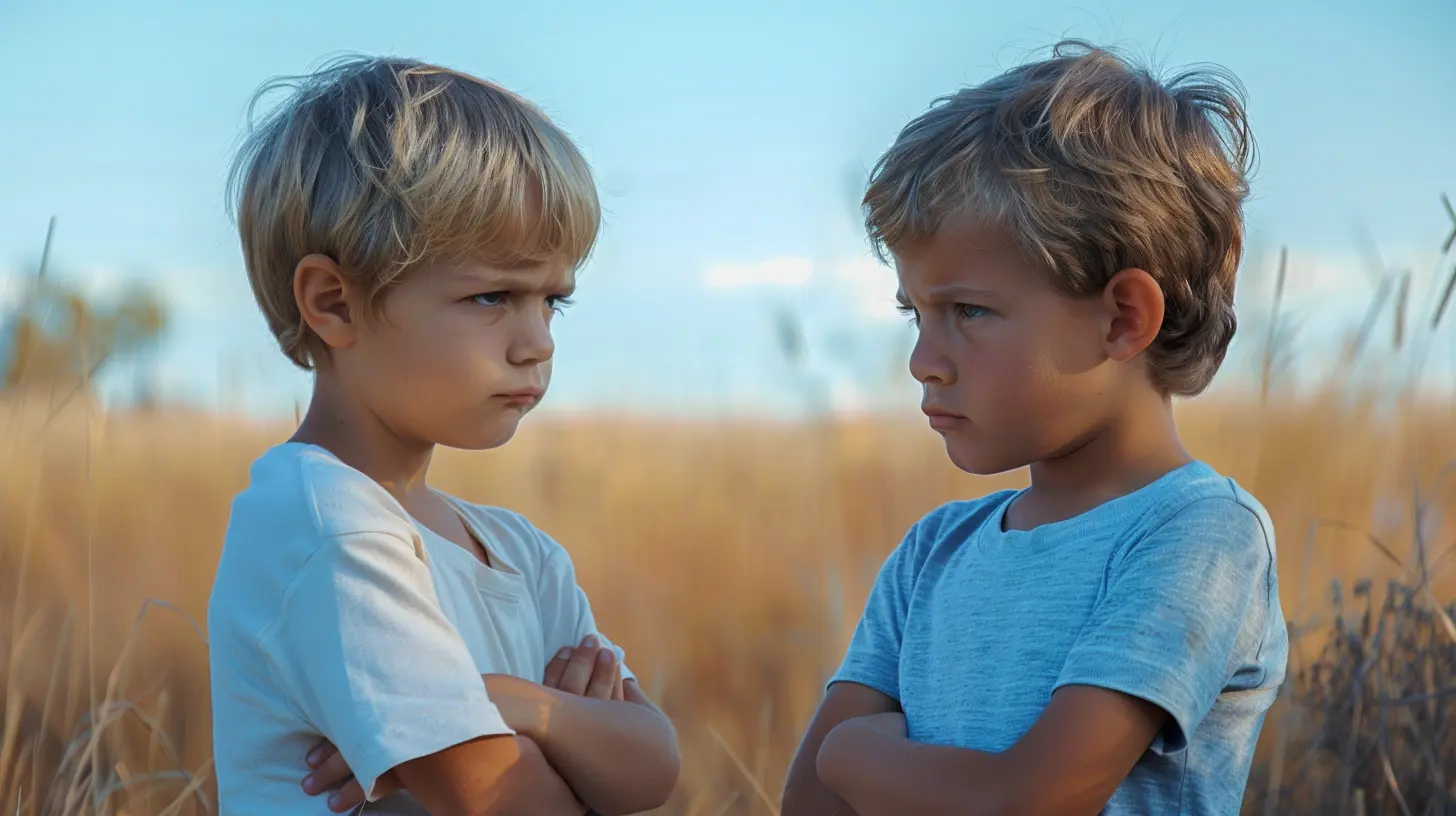
Common Conflict Scenarios and How to Handle Them
To make things even clearer, let’s walk through a few real-life student scenarios and how these skills come into play.Scenario 1: The Group Project Nightmare
Problem: One team member is not contributing.How to handle:
- Use assertive communication. Say, “I’ve noticed we haven’t split the tasks evenly. I’d like us to talk about how we can share the work.”
- Listen to their side. Maybe they’re bogged down with other responsibilities.
- Find a solution. Reassign tasks based on everyone’s strengths and availability.
Scenario 2: The Roommate Rumble
Problem: Your roommate plays loud music late at night.How to handle:
- Stay calm and pick a good time to talk.
- Use “I” statements: “I have early classes, and the loud music makes it hard for me to sleep.”
- Try to find a compromise — headphones, quiet hours, or a schedule.
Scenario 3: The Misunderstood Text
Problem: A text or DM gets misinterpreted and causes tension.How to handle:
- Don’t jump to conclusions. Ask for clarification.
- Talk in person, if possible. Tone is so easy to misread in texts.
- Offer a sincere apology if you misunderstood or said something hurtful.
The Role of Schools in Teaching Conflict Resolution
Honestly, conflict resolution should be as common in schools as math or science. Fortunately, more schools are starting to include these skills in their curriculum through:- Social-emotional learning programs (SEL)
- Peer mediation initiatives
- Classroom discussions and role-playing
- Workshops and counseling sessions
But it doesn’t stop there — students themselves can take the lead by modeling good behavior, mentoring younger peers, and even starting conflict resolution clubs (yes, those are a thing!).
Quick Tips for Resolving Conflicts Like a Pro
Let’s wrap up with a few cheat codes you can carry in your mental backpack:- Don’t react — respond.
- Listen twice as much as you talk.
- Stay curious, not judgmental.
- Focus on the issue, not the person.
- It’s okay to agree to disagree.
- Always look for the win-win.
- Know when to walk away (some battles aren’t worth fighting).
Conflict isn’t the enemy — poor conflict resolution is. With the right mindset and a few powerful tools, you can turn disagreements into valuable learning moments.
Final Thoughts: Sharpen the Skill That Sharpens Everything Else
Conflict resolution isn’t just about solving fights. It’s about understanding people, building trust, and becoming someone others can count on when things get tough. It sharpens your communication, your leadership, and even your emotional intelligence.The earlier you pick up this life-changing skill, the better. And the good news? It’s never too late to start.
So next time you feel frustration bubbling up or find yourself in a tricky situation with a friend or classmate, remember — you’ve got this. Take a deep breath, lean into empathy, and handle it like the future leader you are.
all images in this post were generated using AI tools
Category:
Character EducationAuthor:

Olivia Chapman
Discussion
rate this article
2 comments
Kalani McGivern
Mastering conflict resolution fosters teamwork and communication, essential skills for student success.
September 1, 2026 at 11:48 AM
Olivia Chapman
Absolutely, effective conflict resolution is key to building strong teamwork and improving communication skills. It truly sets students up for success academically and beyond.
Xavier McNeely
Conflict resolution skills are essential for students. Learning how to communicate effectively, listen actively, and negotiate can transform challenging situations into valuable growth experiences. Equipping students with these tools not only enhances their academic journey but also prepares them for real-world interactions. Prioritize these skills now.
August 21, 2026 at 2:51 AM
Olivia Chapman
I completely agree. Teaching conflict resolution not only benefits students academically but also equips them for life beyond school. These skills are invaluable for personal and professional success.