Developing Empathy Through Cultural Exploration
23 December 2025
Have you ever felt like you just couldn’t relate to someone from a completely different background? Maybe their customs seemed strange or their beliefs clashed with yours. You're not alone. But here's the thing: the secret key to connecting with people—even those who seem so different at first—is empathy. And guess what? One of the most powerful ways to grow that empathy muscle is through cultural exploration.
In this article, we’re diving headfirst into how experiencing cultures beyond your own can transform not just your worldview, but also help you become a kinder, more understanding human being. Whether you're traveling abroad, attending a cultural festival, or even just listening to world music on Spotify, you're doing more than just having fun—you're building bridges of understanding.
Let’s break down this journey, step by step.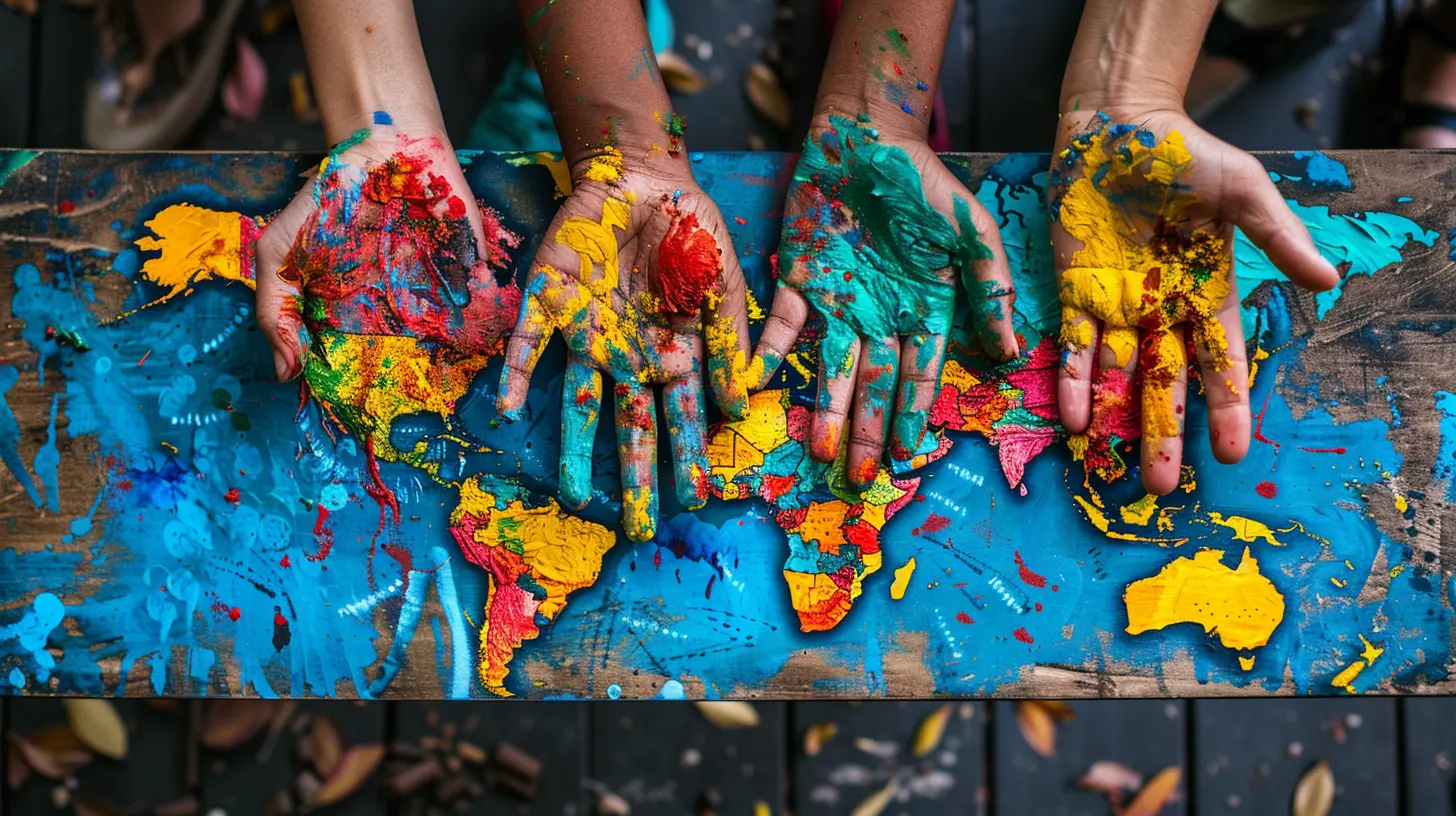
What Is Empathy, Really?
Before we dive into the global stuff, let’s keep it simple—what even is empathy?Empathy is the ability to step into someone else's shoes, to feel what they feel without needing to live their exact life. It's not about agreeing with them, but about understanding where they’re coming from. Sounds simple, right? But true empathy takes effort, especially when the person across from you speaks a different language, eats different food, or follows different traditions.
We often default to thinking our way is the “normal” way. But guess what? Everyone thinks that! That’s why exploring other cultures is so powerful—it shakes us out of that narrow mindset.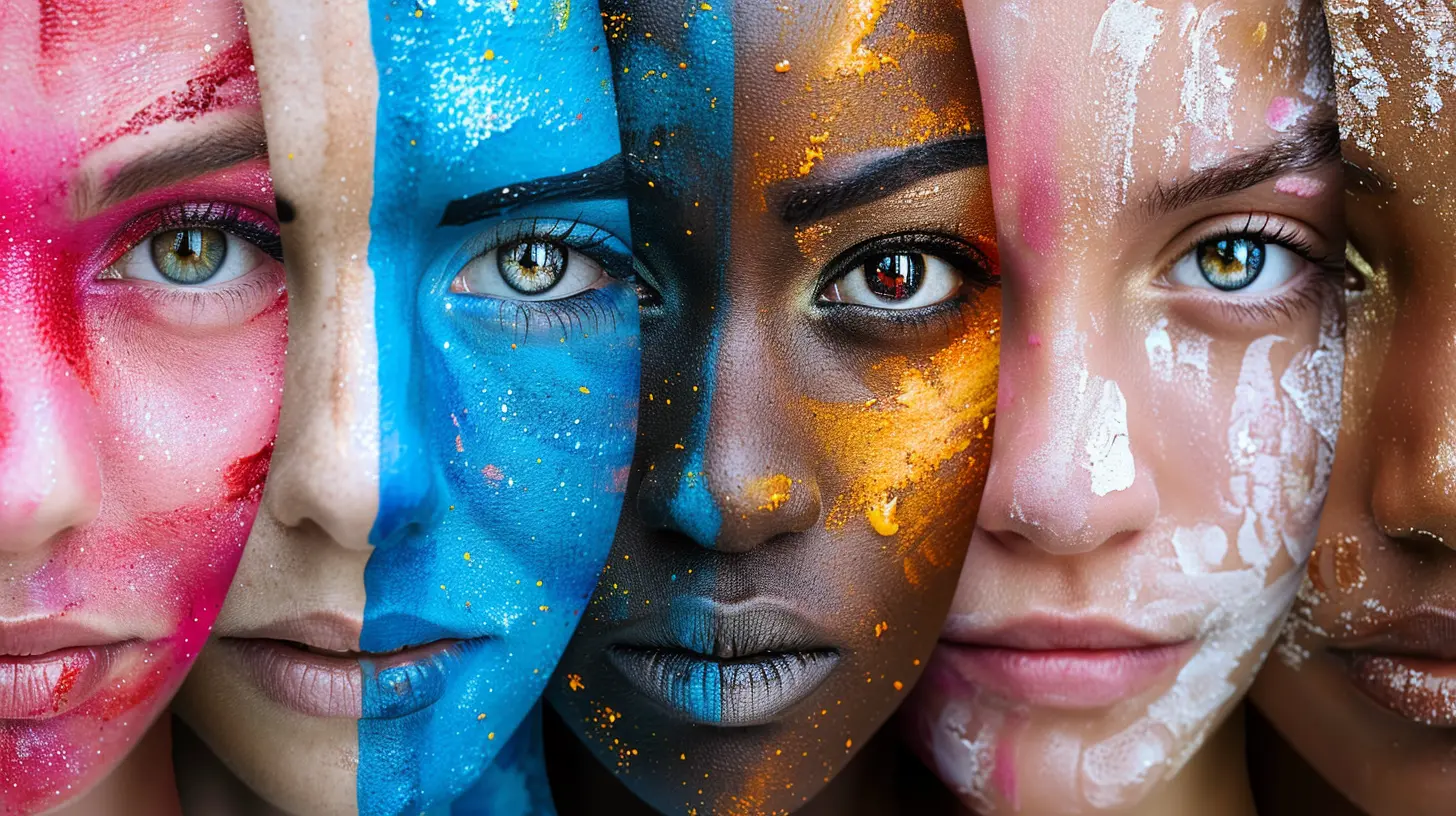
Why Cultural Exploration Matters
So, why does cultural exploration help develop empathy?Because culture is the lens through which people see the world. When we understand that lens, we can stop misjudging or misinterpreting others. Cultural exploration opens our eyes to how diverse, rich, and downright beautiful human experiences can be.
Still skeptical? Think about this: when we encounter something unfamiliar, our brains often label it as “weird” or “wrong.” But once we understand it, it turns into “interesting” or even “inspiring.” It’s all about shifting perspective.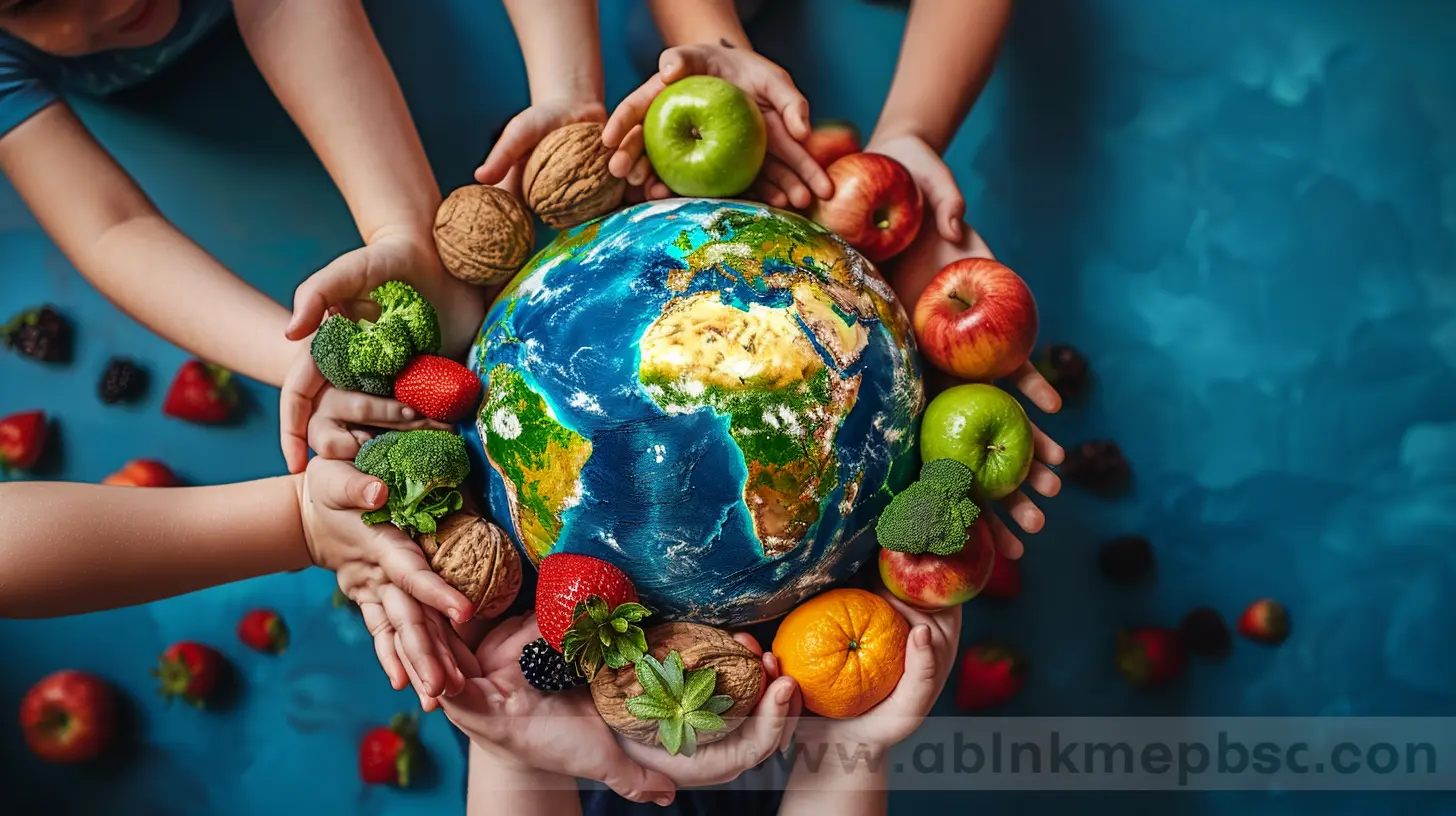
Traveling—The Fast Track to Empathy
Ever heard the phrase “travel is the only thing you buy that makes you richer”? There's a reason that quote is on T-shirts and coffee mugs all over the world. When you travel, you’re not just collecting Instagram photos—you’re stepping into someone else's story.Like the time you visited a bustling bazaar in Morocco, and you noticed how bargaining wasn’t rude—it was part of the rhythm of daily life. Or that moment in a Japanese tea ceremony, when silence wasn’t awkward—it was sacred. These experiences stay with you. They tweak your worldview in ways you never expected.
And over time? You stop seeing “others” as so “other.” You start seeing common threads—love, family, struggle, celebration—that connect us all.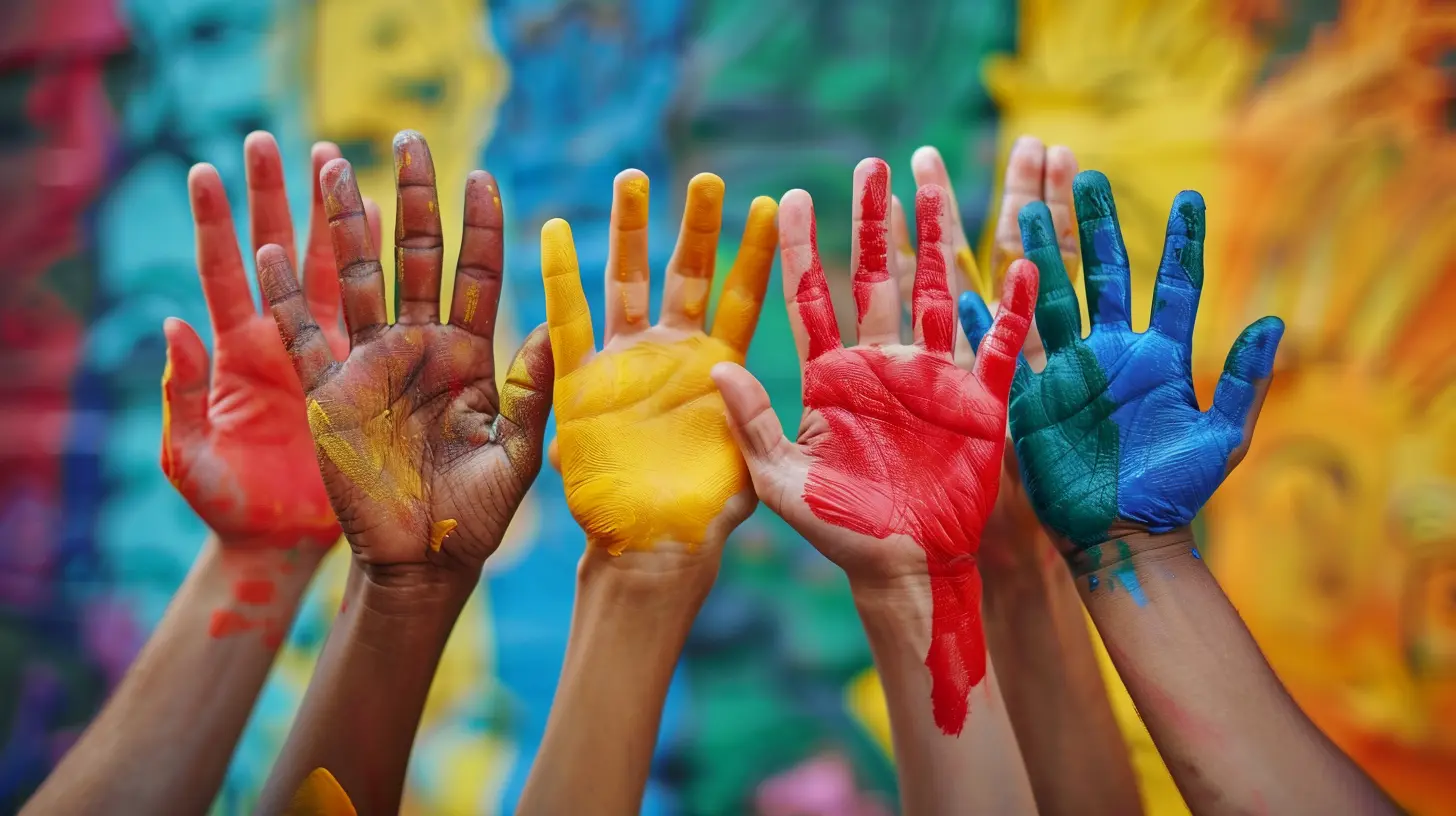
Virtual Exploration Counts Too (Thank You, Internet!)
Can’t hop on a plane right now? No worries. You don’t need a passport to explore different cultures. Thanks to the internet, the world is literally in your pocket.Watch foreign films. Read translated novels. Follow international influencers. Join online forums where people from different countries share their everyday lives. Heck, even cooking a new dish from another culture can teach you something valuable.
The magic happens when you stop being a tourist and start being a participant—even if that participation is virtual.
Listening: The Unsung Hero of Empathy
Okay, real talk—when was the last time you really listened to someone from a different background?Listening is way underrated. We often listen to respond, not to understand. But when you take the time to hear someone’s story—without interrupting or judging—you give them dignity. And in return? You get understanding.
Try this: ask someone about their cultural heritage, and then just... let them speak. Their perspective might surprise you. You’ll realize your assumptions were just that—assumptions.
Cultural Exploration Breaks Stereotypes
Let’s face it: the world is full of stereotypes. They’re lazy shortcuts our brains use to categorize people. But the more you learn about diverse cultures, the harder those stereotypes become to believe.For instance, not all French people love wine, not all Americans eat fast food, and not all Middle Easterners are conservative. Cultural exploration forces you to go beyond headlines and Hollywood portrayals. It gives faces, names, and life stories to the “them” you thought you knew.
And that shift? That’s empathy being born.
Kids and Cultural Exposure: Start Young
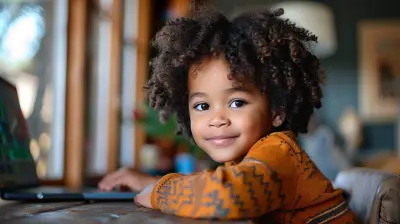
Want to raise a generation that’s more compassionate, less judgmental, and better equipped to lead? Start them young.Kids are naturally curious. They’ll try sushi without blinking and learn a second language if you make it fun. By teaching children to appreciate cultures different from their own, we’re not just expanding their minds—we’re widening their hearts.
So enroll them in multicultural activities, read them books from around the world, and celebrate holidays from other traditions. Who knows? Your kid might just grow up to be the next global peace ambassador.
The Magic of Cultural Festivals and Events
Cultural festivals are empathy playgrounds—you get to experience music, dance, food, and rituals from around the globe, all in one place. Whether it's Diwali, Mardi Gras, Lunar New Year, or Oktoberfest, these events bring people together in the best way.You laugh, dance, and eat alongside strangers who might soon become friends. And without even realizing it, you're chipping away at the walls that divide us.
Language: More Than Just Words
Learning even a few phrases in a foreign language can be a game-changer. Language shapes thought, and by learning another language, you're literally reshaping how you think—if even just a little.When you say “hola” instead of “hi,” or “merci” instead of “thank you,” you're making a tiny but powerful gesture. You're saying, “I respect your identity enough to speak your language.” That’s empathy in action.
Shared Humanity: The End Goal
Here’s the kicker: the more cultures you explore, the more you realize we’re all fundamentally the same. We all want to be seen, understood, and valued. We all laugh, cry, and dream. Our foods, dances, and beliefs may differ. But our heartbeats? They’re in sync.Developing empathy through cultural exploration isn’t just about becoming “worldly” or woke—it’s about becoming more human. And the world desperately needs more of that.
How to Start Your Cultural Exploration Journey
Feeling inspired but not sure where to begin? Try one of these simple steps:- Watch a documentary about a culture you know nothing about.
- Cook a traditional dish from another country.
- Attend a local cultural event or festival.
- Read a novel by an international author.
- Learn a few basic phrases in another language.
- Volunteer with a multicultural organization.
- Talk to someone from a different background and ask about their experiences.
Start small. Stay consistent. And be open to being changed.
Conclusion: Empathy Is the Passport to a Better World
At the end of the day, cultural exploration isn't just about expanding your knowledge—it's about expanding your heart. In a world that often feels more divided than ever, empathy might just be the glue that holds us together.So go out there, taste a new flavor, dance to a different beat, read a story in a foreign tongue. You’ll be doing more than enriching your own life—you’ll be taking one brave step toward a world that gets each other a little bit more.
Every culture is a chapter in the story of humanity. Turn the page. Read on. Feel it.
Because the more stories you know, the more people you understand—and the more human you become.
all images in this post were generated using AI tools
Category:
Cultural AwarenessAuthor:

Olivia Chapman
Discussion
rate this article
2 comments
Regina Jordan
Exploring cultures truly opens our hearts and minds!
January 7, 2026 at 1:25 PM
Olivia Chapman
Absolutely! Cultural exploration broadens our perspectives and deepens our empathy, fostering greater understanding and connection.
Patience McLean
Cultural exploration cultivates empathy by immersing individuals in diverse perspectives, fostering appreciation and understanding. Engaging with different traditions and experiences not only broadens horizons but also strengthens our shared humanity in an increasingly interconnected world.
December 27, 2025 at 5:12 AM
Olivia Chapman
Thank you for your insightful comment! I completely agree—cultural exploration is vital in enhancing empathy and deepening our understanding of our shared humanity.