Encouraging Students to Be Stewards of the Environment
11 August 2026
Let’s be real—convincing students to care about the environment can feel like asking them to voluntarily do extra homework. But hear me out! What if saving the planet was as exciting as a video game, as rewarding as finding an extra fry at the bottom of the bag, or as satisfying as cracking open a brand-new pack of colored pencils?
With the right approach, we can inspire students to embrace environmental stewardship not just as a duty, but as an adventure. And honestly, for the sake of our trees, oceans, and polar bears, we kinda need them to get on board.
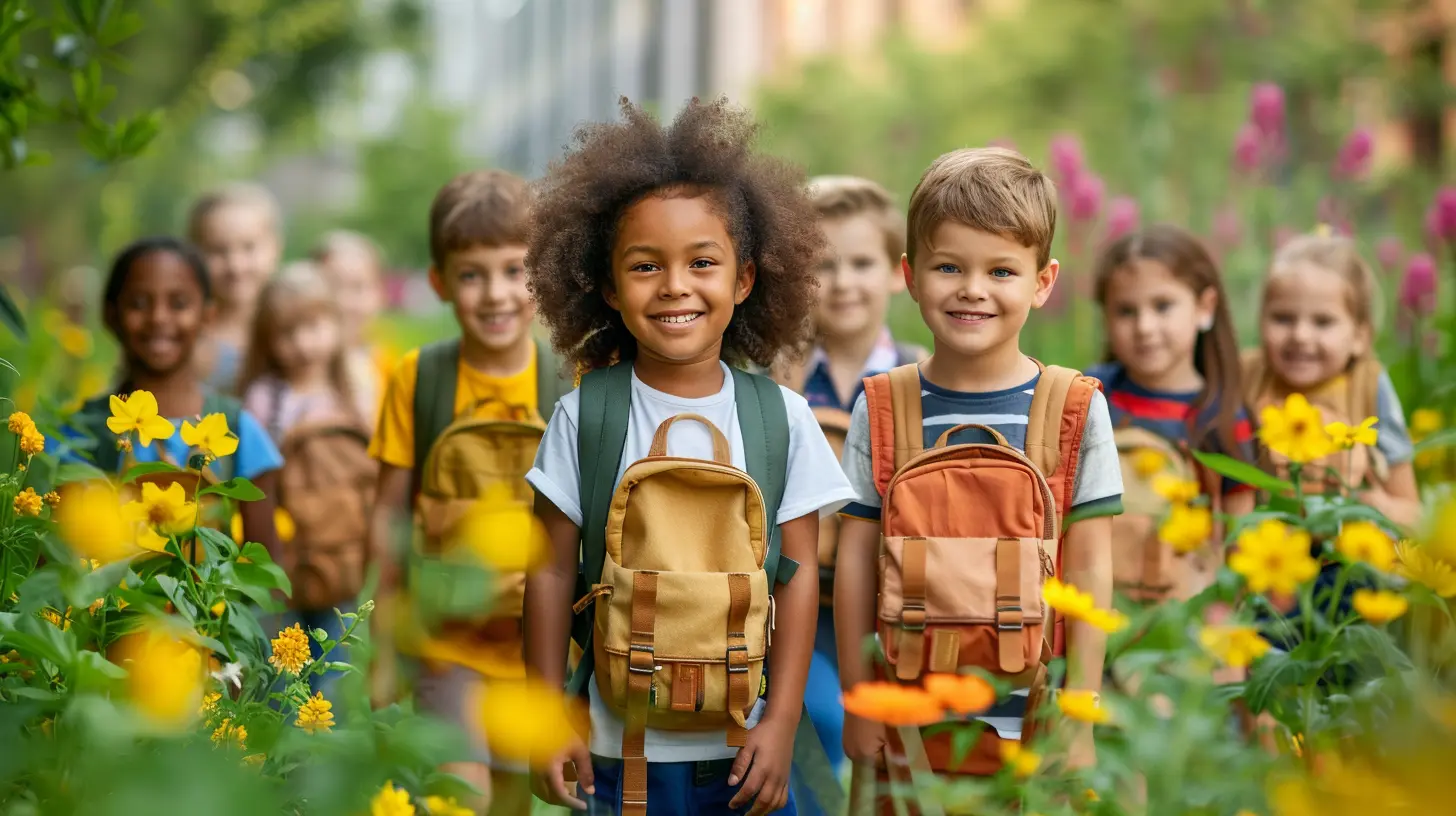
What Does “Environmental Stewardship” Even Mean?
In non-fancy terms, being an environmental steward means looking after the planet like it’s your favorite pet—except instead of feeding it kibble, you reduce waste, conserve water, respect wildlife, and maybe even plant a tree or two.It’s about making sure Earth stays livable, beautiful, and full of breathable air for future generations. You know, so that our great-great-grandkids don’t have to Google "What did trees look like?"

Why Bother? The Stakes Are Higher Than Your Wi-Fi Bill
Imagine waking up in a world where beaches are covered in plastic, forests are just a memory, and the air smells like your burnt toast experiment last weekend. Doesn't sound like a fun place to live, does it?That’s why teaching students to care for the environment isn’t just a "nice thing to do"—it’s a necessity. The sooner they understand that their actions today shape the world of tomorrow, the better off we’ll all be.
Plus, let’s not forget:
- Climate change is real – And no, it's not just something for politicians to argue about.
- Wildlife is struggling – Have you ever seen a sad sea turtle? Exactly.
- Resources are running out – Water, trees, and clean air aren’t limitless.
So, how do we get students to step up without making it feel like another boring lecture?
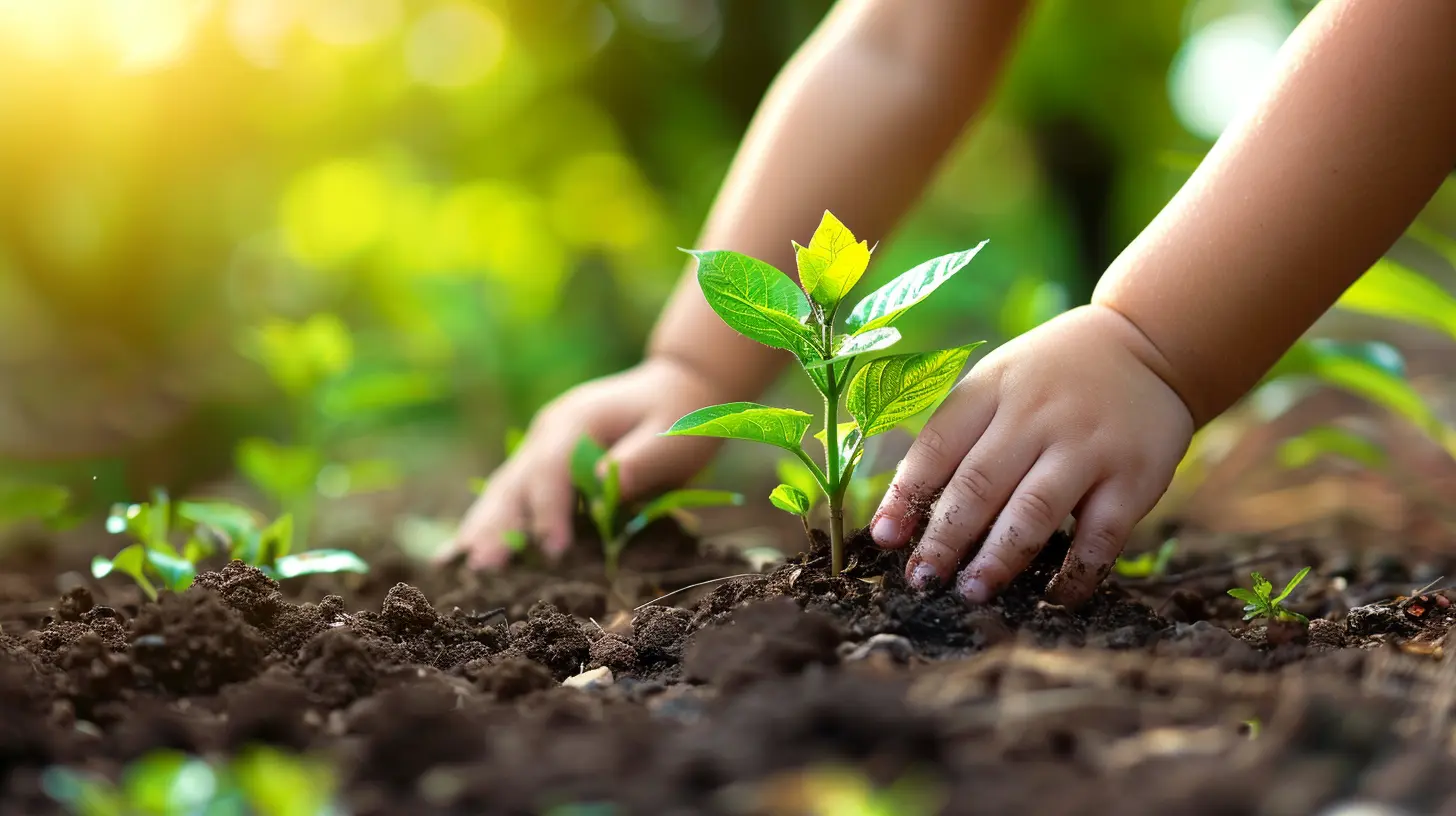
Making Environmental Stewardship Fun (Yes, Really)
If we want students to care, we have to speak their language. And no, I don’t mean texting them “Save Earth plz. Thx.” Instead, let’s make being eco-friendly feel like the coolest movement to be part of.1. Gamify the Green Life
Who doesn’t love a good challenge? Turning sustainability into a game can work wonders.- Eco Points System: Award points for every eco-friendly action, like using a reusable water bottle or walking instead of getting a ride.
- Recycling Races: See who can collect the most recyclables in a week—winner gets a fun prize (or bragging rights, which are just as valuable).
- Zero-Waste Challenges: Encourage students to produce as little trash as possible for a set period. Bonus: It makes them more mindful of their habits!
2. Connect It to Their Interests
Not every student is going to get excited over composting. But what if we tie environmental care to things they already love?- For the Tech-Savvy: Show them eco-friendly inventions like solar-powered phone chargers or apps that track their carbon footprint.
- For the Animal Lovers: Teach how pollution harms wildlife and how small changes—like using metal straws—can literally save lives.
- For the DIY Enthusiasts: Upcycling old clothes or furniture into something trendy? That’s both sustainable and stylish.
3. Lead by Example (Because Hypocrisy is a No-Go)
If we tell students to be green but then print out 100-page handouts, they’ll call us out. Fast. Show them that saving the planet isn’t just talk:- Reuse materials in class.
- Turn off lights when they’re not needed.
- Start a classroom recycling station.
Leading by example is powerful—it’s like when a teacher actually enjoys grading. Students will wonder, "Wait… maybe this IS worth doing."
4. Take It Outside (Because Nature is the Best Teacher)
Nothing makes environmental issues feel real like seeing them up close. If possible, ditch the classroom for a day and:- Visit a polluted area to see the impact of waste firsthand.
- Take a field trip to a national park to appreciate what we’re protecting.
- Organize a community cleanup—it’s hands-on, impactful, and super rewarding.
5. Show Them Their Impact (Because Everyone Loves Seeing Results)
One reason people don’t stick to eco-friendly habits is because they don’t see immediate rewards. So, let's make the results visible!- Before-and-After Photos: Did they clean up a park? Snap pictures to show the difference they made.
- Class Carbon Footprint Tracker: Have students track energy use and show how small changes collectively make a big impact.
- Success Stories: Highlight young activists making waves (like Greta Thunberg) to show that one person can inspire change.
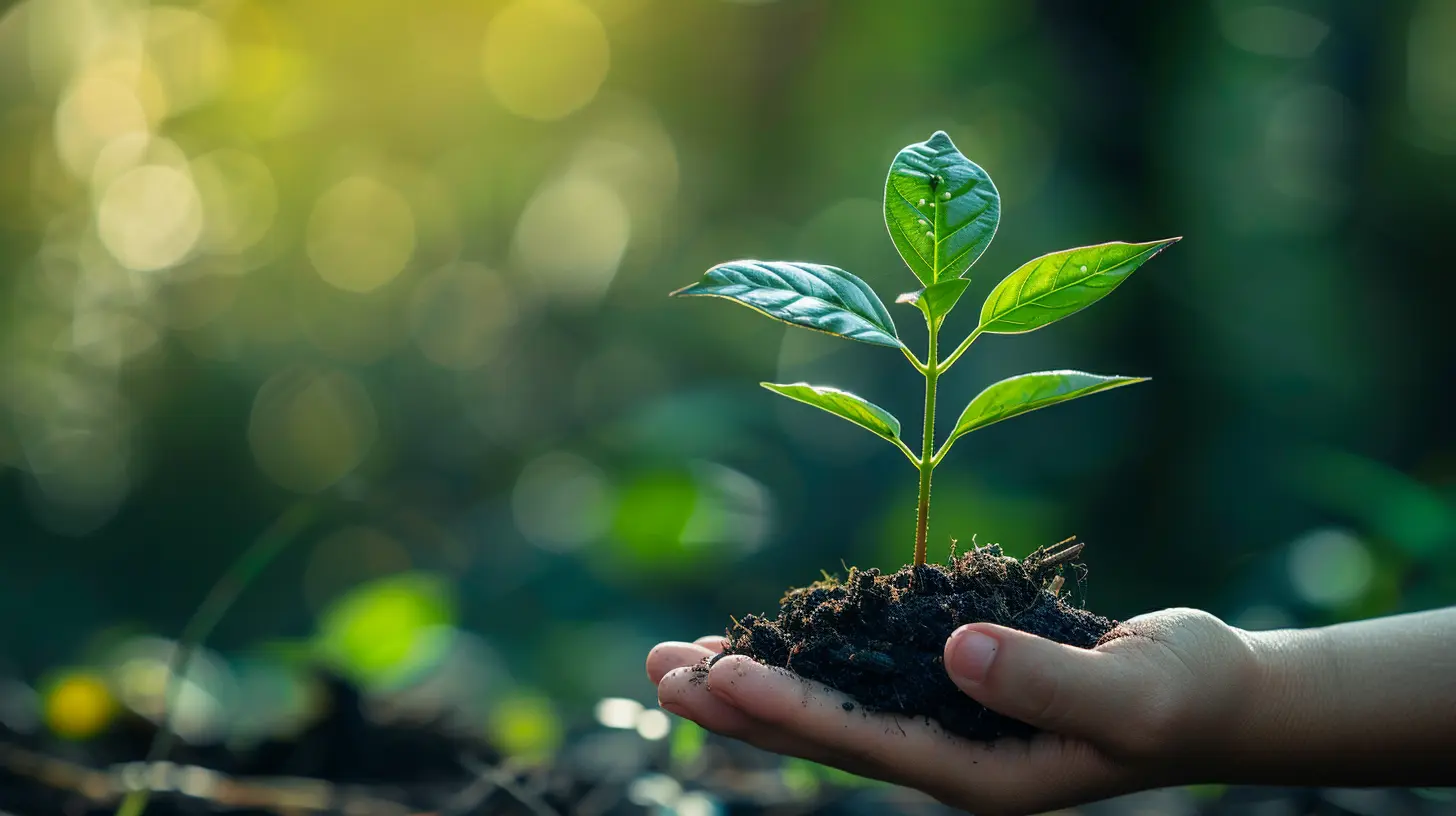
Small Changes, Big Impact
Being an environmental steward doesn’t mean students have to turn into tree-hugging, off-grid, solar-powered hermits overnight. Small steps add up!Here are some easy, everyday actions:
✅ Use Reusable Water Bottles – Because single-use plastics are sooo last decade.
✅ Turn Off Lights and Electronics – Vampires suck... energy.
✅ Support Local and Sustainable Products – Think of it as shopping with a purpose.
✅ Reduce Waste – Less plastic, more planet.
✅ Spread the Word – The more, the merrier when it comes to saving the Earth.
The Bottom Line
Encouraging students to be stewards of the environment isn’t about guilting them into action—it’s about making sustainability an exciting, rewarding, and normal part of life.If we make it fun, relevant, and easy to integrate into their lives, we won’t just create eco-friendly students. We’ll create a generation that genuinely cares about the planet—because, newsflash, they’re the ones who have to live here next.
So let’s equip them with the knowledge, motivation, and tools they need to step up. After all, the Earth doesn’t have a backup plan… but with their help, it won’t need one!
all images in this post were generated using AI tools
Category:
Character EducationAuthor:

Olivia Chapman
Discussion
rate this article
1 comments
Bernadette Robinson
Teaching students to hug trees might sound silly, but fostering a love for nature can spark lifelong stewardship. Let's turn classrooms into eco-launchpads where recycling bins become treasure chests and every plant is a tiny superhero saving our planet... one leaf at a time!
August 14, 2026 at 3:46 AM
Olivia Chapman
Absolutely! Instilling that love for nature early on can create passionate stewards. Every small action counts, and making learning fun is key. Let's make a difference together!