Forgotten Civilizations: Societies That Time Overlooked
4 February 2026
History is full of grand civilizations that have shaped our world—Egypt, Rome, Greece, and Mesopotamia often steal the spotlight. But what about the civilizations that history books barely mention? The ones that thrived, innovated, and then mysteriously faded into obscurity?
Many of these forgotten societies once wielded immense power, built breathtaking cities, and developed advanced knowledge. Yet, for one reason or another, time has either erased or overshadowed them. Today, we pull back the curtain on a few of these lost civilizations and uncover their fascinating stories.

1. The Indus Valley Civilization: The Mysterious Urban Planners
When we talk about ancient civilizations, Mesopotamia and Egypt take center stage. But did you know that around the same time, a vast and highly sophisticated civilization flourished in South Asia? That’s right—the Indus Valley Civilization (IVC) was as advanced as its contemporaries but remains a mystery to many.What Made the Indus Valley Civilization Remarkable?
- Urban Planning – Unlike many ancient societies, the cities of Mohenjo-Daro and Harappa were meticulously planned. They had a grid-like street layout, advanced drainage systems, and multi-story homes—far more sophisticated than other civilizations of that era.- No Known Kings or Rulers – Unlike Egypt, which had mighty pharaohs, the Indus people seemed to have lived without a centralized monarchy. Their organized cities suggest a well-structured society, but we still don’t fully understand how they governed themselves.
- Mysterious Language – To this day, no one has successfully deciphered the Indus script, leaving their writings and administration a puzzle.
Why Did This Civilization Disappear?
There’s no definite answer. Some historians believe climate change led to a decline in agricultural productivity, while others suggest invasions or earthquakes played a role. Whatever the reason, by 1900 BCE, this once-thriving civilization had vanished, leaving behind only ruins and unanswered questions.
2. The Kingdom of Kush: Egypt’s Forgotten Rival
When people think of pyramids, they think of Egypt. But did you know that modern-day Sudan has more pyramids than Egypt? They belong to the ancient Kingdom of Kush, an African civilization that was not just a neighbor to Egypt but a powerful competitor.The Mighty Kushites
- Pharaohs of Egypt – At one point, the Kushites didn’t just rival Egypt—they ruled it! The 25th Dynasty of Egypt had Kushite pharaohs, including King Piye, who conquered Egypt in the 8th century BCE.- Pyramids of Meroë – The Kushites built their own pyramids, but with a distinct style—steeper and smaller than their Egyptian counterparts.
Why Did Kush Decline?
By the 4th century CE, Kush fell due to economic struggles and pressure from the rising Aksumite Empire of Ethiopia. Over time, the memory of their greatness faded, and now, their pyramids sit quietly in the Sudanese desert, barely recognized by the world.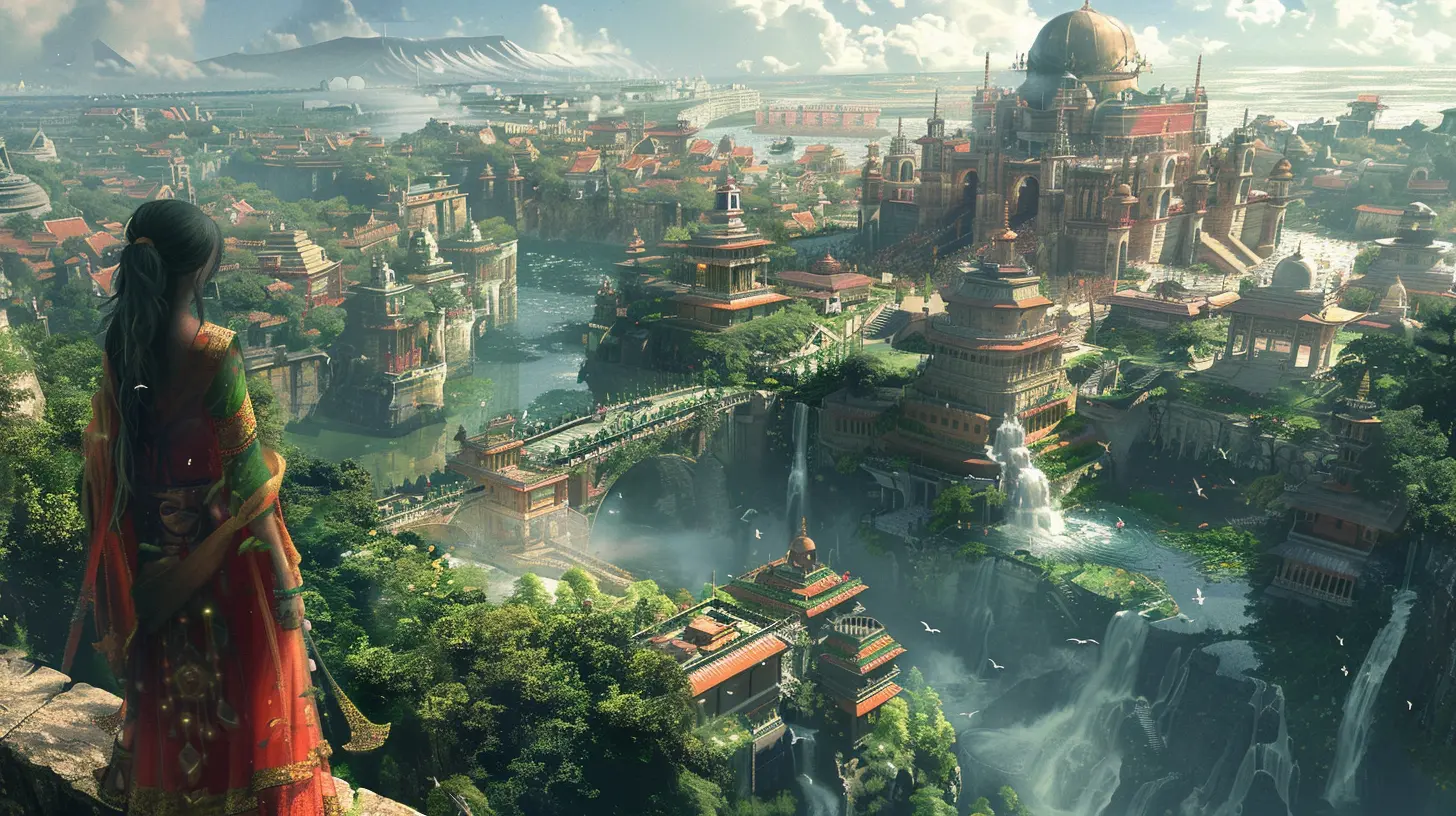
3. The Hittite Empire: The Warriors Who Challenged Egypt
Most people may not have heard of the Hittites, but during their time, they were a significant force in the ancient world. They were so powerful that they even went toe-to-toe with ancient Egypt, engaging in the Battle of Kadesh with Pharaoh Ramses II.What Made the Hittites Stand Out?
- Masters of Ironworking – At a time when bronze was the dominant metal, the Hittites pioneered iron smelting, giving them superior weaponry and tools.- Earliest Peace Treaty – After their battle with Egypt, they signed what historians consider the world’s first recorded peace treaty with Ramses II.
What Happened to Them?
Around 1200 BCE, their empire crumbled due to invasions and internal struggles. The once mighty Hittite cities turned to dust, and their name faded into obscurity until archaeologists rediscovered their history in the 19th century.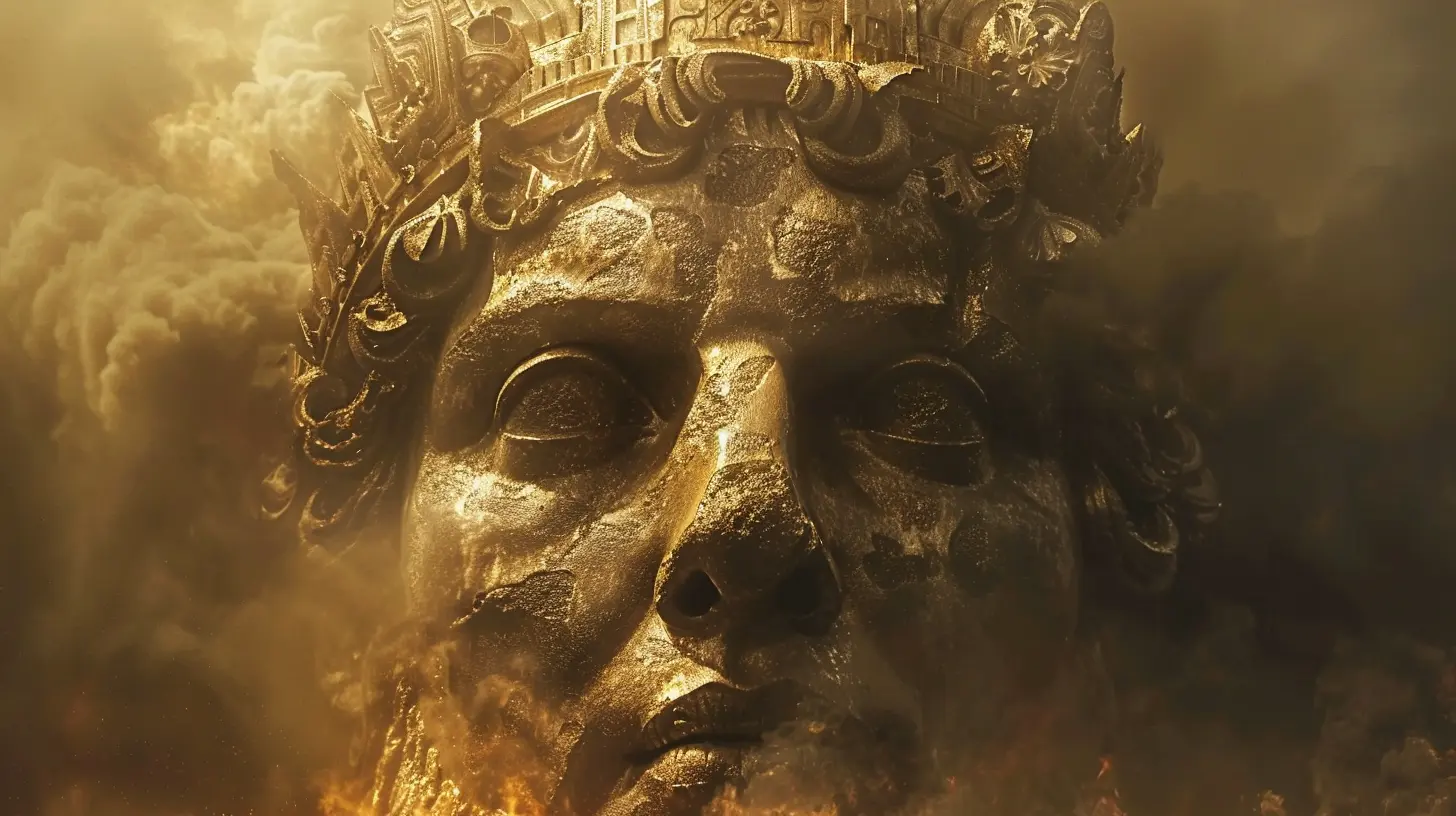
4. The Göbekli Tepe Builders: Civilization Before Civilization
If you think the oldest temples were built by the Egyptians or Mesopotamians, think again. Göbekli Tepe, a mind-blowing archaeological site in modern-day Turkey, is believed to be over 11,000 years old—making it older than Stonehenge and the Great Pyramids!Why Is Göbekli Tepe So Important?
- The Oldest Known Temple – This site challenges everything we thought we knew about early humans. It suggests that ancient people were capable of complex architecture far earlier than expected.- No Signs of Permanent Settlement – Unlike other ancient civilizations, Göbekli Tepe doesn’t seem to have been a city. Some suggest it was purely a religious site where early humans gathered for ceremonies.
Why Was It Buried?
Strangely, the site was deliberately buried around 8,000 BCE. Why? No one knows, but whatever the reason, it preserved the structures for thousands of years until rediscovered in the 1990s.5. The Nabataeans: The Hidden Architects of Petra
Remember Petra, the stunning city carved into red rock cliffs in modern-day Jordan? It wasn’t built by Romans or Greeks but by the Nabataeans, a civilization that thrived in the harsh desert.What Made the Nabataeans Special?
- Masters of Water Management – They built intricate water storage and irrigation systems, allowing them to thrive in an arid region.- Trade Masters – The Nabataeans controlled key trade routes, making Petra a bustling marketplace for merchants from Arabia, Egypt, and the Mediterranean.
What Led to Their Decline?
Once Rome expanded its influence into their territory, the Nabataeans gradually lost power. Their knowledge and achievements faded into obscurity, leaving behind Petra as their only legacy.
6. The Tartessians: Europe’s Mysterious Lost Civilization
Ever heard of the Tartessians? Many haven’t. Believed to have lived in what is now southern Spain, this civilization is often linked to myths about the lost city of Atlantis due to their wealth and mysterious disappearance.What Do We Know About Them?
- Rich in Gold and Silver – Ancient Greek and Roman accounts describe Tartessos as a wealthy kingdom with vast resources.- Unique Language – The Tartessians spoke a language unrelated to others in the region, making their origins even more puzzling.
Why Did They Disappear?
Historians aren’t sure. Some suggest they were wiped out by warfare, others believe environmental changes destroyed their cities. Today, only fragmented artifacts and texts hint at their once-thriving existence.Final Thoughts: The Civilizations Time Forgot
History is much deeper than what we find in textbooks. These forgotten civilizations once shaped the world in ways we’re only beginning to understand. Whether due to war, climate change, or simple neglect, their legacies were buried—sometimes literally.But with every archaeological discovery, we get one step closer to understanding the full story of human civilization. Who knows? Maybe another lost civilization is waiting to be uncovered beneath the sands or jungles of the world.
What do you think—are there still hidden cities out there, waiting for us to rediscover them?
all images in this post were generated using AI tools
Category:
History LessonsAuthor:

Olivia Chapman
Discussion
rate this article
2 comments
Graham Harmon
Insightful exploration of neglected historical narratives!
February 18, 2026 at 12:15 PM
Olivia Chapman
Thank you! I’m glad you found the exploration valuable. Highlighting these narratives is essential to understanding our shared history.
Indie Benton
Forgotten civilizations remind us that history is an echo, not a void. Each overlooked society offers a treasure trove of lessons and insights, urging us to listen closely to the whispers of the past. As we explore their legacies, we enrich our understanding of humanity’s diverse tapestry.
February 4, 2026 at 4:37 AM
Olivia Chapman
Thank you for your insightful comment! Indeed, forgotten civilizations hold invaluable lessons that deepen our understanding of humanity's complex history.