Future-Ready Students: Preparing for Jobs That Don’t Exist Yet
5 October 2026
Ask a room of ten-year-olds what they want to be when they grow up and you will hear the usual answers: doctor, teacher, pilot, footballer. Ask anyone who hires for a living what those same children will actually do for work in 2040, and the honest answer is that nobody knows. Not because the question is silly, but because the economy keeps inventing roles faster than schools can name them. Twenty years ago, "prompt engineer," "sustainability analyst," and "user experience researcher" barely registered as job titles. Today they are real careers with salary bands, promotion paths, and professional associations.
This creates an uncomfortable truth for parents, teachers, and students alike. You cannot prepare for a specific job that has not been invented. What you can do is build the kind of mind and skill set that bends when the world shifts. That is the difference between training for a role and becoming future-ready.
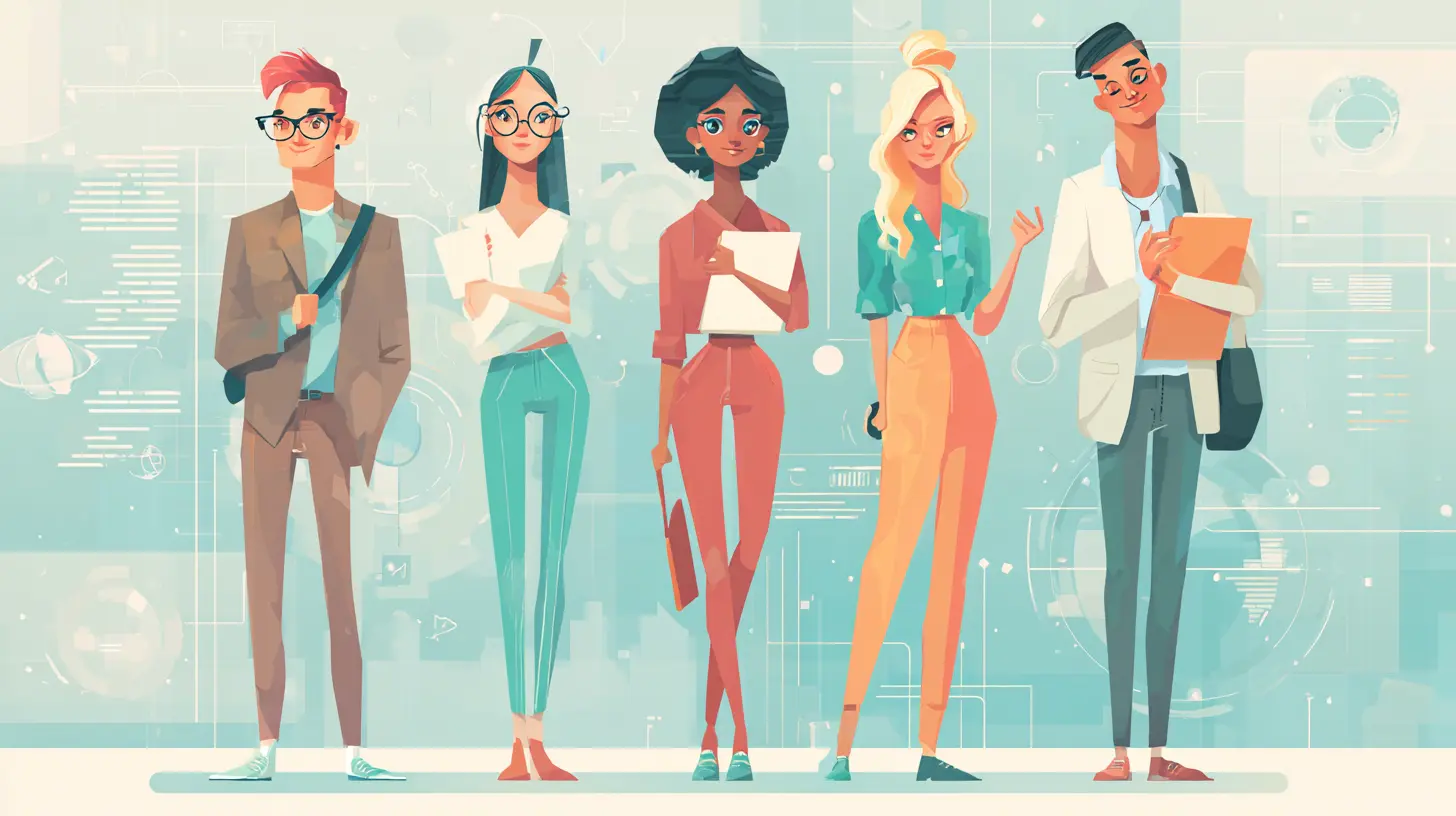
Why Predicting Specific Jobs Is a Losing Game
Forecasting the job market is a graveyard of confident predictions. In the 1990s, plenty of smart people argued the internet would eliminate most retail work. Instead it created logistics, digital marketing, and platform engineering on a scale nobody modeled. The pattern repeats because economies are complex systems, and complex systems do not behave like weather charts.The mistake most people make is treating career planning like a target. They pick a destination, then walk in a straight line. But the ground moves. Industries get restructured by technology, regulation, and global events that arrive without warning. A student who trains narrowly for one tool or one software platform can find that skill obsolete before their student loans are paid off.
A better mental model is a portfolio of durable capabilities. You cannot know which jobs will exist, but you can reasonably predict which human abilities will keep mattering regardless of what the job is called. Communication, judgment, learning speed, and the ability to work with both people and machines are not going anywhere.
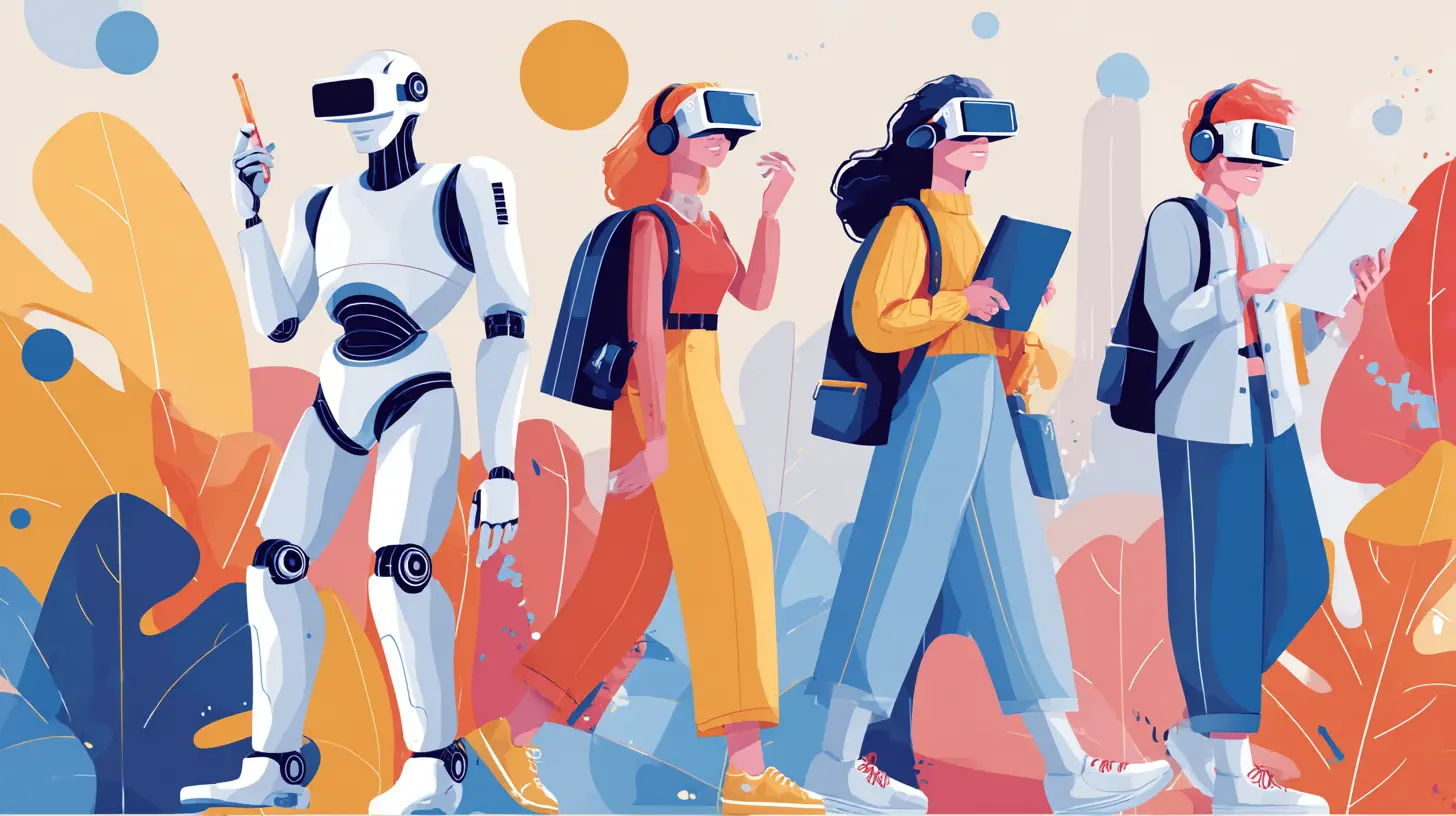
The Skills That Survive Every Job Market
Let us be concrete. Some capabilities are tied to a specific job. Others are tied to being a functional adult in a changing economy. The second category is what future-readiness is built on.Learning How to Learn
The single most valuable skill is the ability to acquire a new skill quickly and without hand-holding. This sounds obvious, but it is rarely taught directly. Schools tend to test what you know, not how fast you can teach yourself something unfamiliar.Someone who can pick up a new software tool in a weekend, read a technical document and extract the useful parts, and ask good questions when stuck will outlast someone with a fixed skill set. The reason is simple: when the job changes, the fast learner retrains themselves. The slow learner waits for someone to train them.
Practical move: give students open-ended problems with no provided method. Let them struggle, search, fail, and iterate. The discomfort is the point. It builds the muscle that formal instruction often bypasses.
Judgment and Decision-Making Under Uncertainty
Machines are excellent at optimizing within defined rules. Humans are still better at deciding which rules matter, when to break them, and what the trade-offs are. As routine cognitive work gets automated, judgment becomes the premium skill.This is not about being smart in the abstract. It is about making a call with incomplete information, owning the consequence, and adjusting. A nurse deciding whether to escalate a patient's condition. An engineer deciding whether a small anomaly is worth halting production for. A manager deciding whether to cut a project that everyone else believes in.
These decisions cannot be reduced to a checklist. They require context, experience, and the willingness to be wrong.
Communication Across Formats and Audiences
If judgment is the premium skill, communication is the multiplier. A brilliant idea that nobody understands is worthless. The ability to explain something clearly to a colleague, a client, a regulator, and a machine is not one skill. It is a family of skills.Notice the shift. Written communication now includes writing for AI systems, not just humans. A well-structured prompt, a clear specification, a precise bug report. Verbal communication includes explaining your reasoning to people who will challenge it. Visual communication includes making a chart that does not mislead.
Students who only practice one format, usually the five-paragraph essay, are underprepared for a world that demands fluency across all of them.
Working With Machines, Not Against Them
There is a lazy framing that says AI will either take all jobs or take none. The realistic outcome is that it reshapes almost every job by removing some tasks and creating others. The person who thrives is the one who treats AI as a colleague with weird strengths and obvious weaknesses.This means understanding what these systems are good at (pattern matching, drafting, summarizing, generating options) and what they are bad at (verifying truth, understanding context, taking responsibility). A student who learns to use these tools critically will produce more than one who ignores them. A student who learns to trust them blindly will produce confident nonsense.
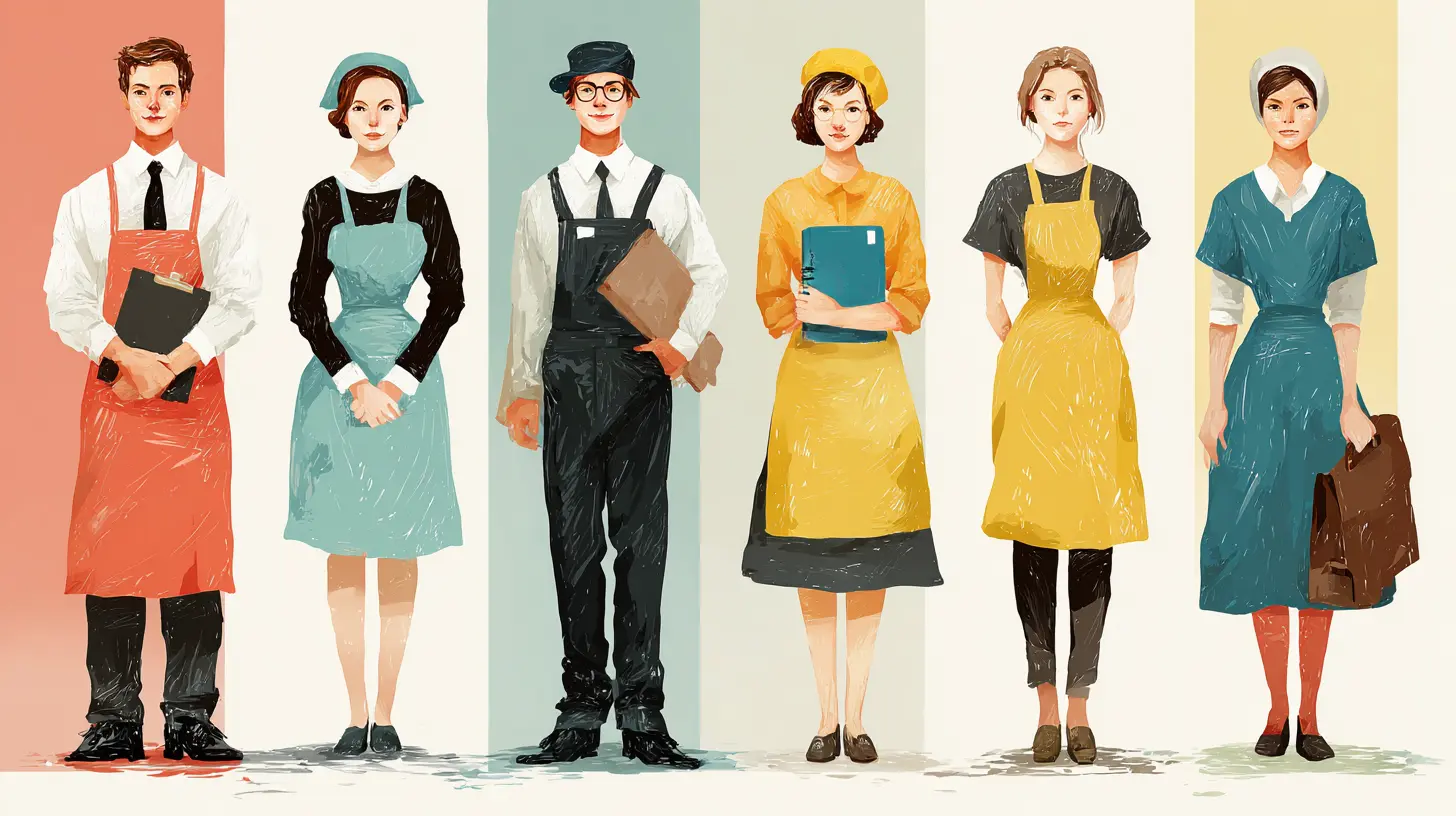
What Schools Get Wrong and Why It Persists
Most education systems were designed for a different economy. They reward compliance, memorization, and speed on standardized tasks. Those were reasonable goals when the dominant employer was a factory or a bureaucracy that needed reliable workers.Today the same system persists for reasons that have little to do with preparing students. Standardized testing is cheap to administer and easy to compare. Curriculum changes are politically contentious. Teachers are overloaded. So the system defaults to what it knows.
The cost is a growing gap between what school rewards and what life requires. A student can graduate with top marks and still be unable to manage a project, resolve a conflict, or teach themselves a new tool. That is not the student's failure. It is a design flaw.
Some schools are experimenting. Project-based learning, interdisciplinary courses, and competency-based progression all try to close the gap. The trade-off is real. These approaches are harder to grade, harder to scale, and harder to defend to parents who want a clear number. But the alternative is preparing students for a world that no longer exists.

The Role of Parents and Mentors
Parents cannot predict the future either, but they can shape how a young person relates to uncertainty. The most useful thing a parent can do is not to choose a career for their child but to normalize the process of figuring things out.That means allowing boredom, which is where curiosity often starts. It means tolerating failure, which is where learning actually happens. It means asking "what did you try?" instead of "what did you get?" It means modeling your own learning, including the parts where you are bad at something.
Mentors matter for a different reason. They provide a window into how work actually functions, which is usually messier than any textbook suggests. A student who has spent time around a real workplace, even in a small way, develops a feel for how decisions get made, how people communicate, and where the friction lives. That feel is hard to teach and easy to absorb.
Practical Strategies for Students Right Now
Future-readiness is not a theoretical concept. It is a set of habits you can start building today, regardless of your age or current level.Build a Portfolio, Not Just a Transcript
Grades matter for gatekeeping. They get you into the next institution. But a portfolio shows what you can actually do. A portfolio can include a coding project, a piece of writing, a design, a small business, a research summary, or a volunteer initiative you organized.The point is not to be impressive. The point is to have evidence that you can start something, finish it, and explain what you did. That evidence travels better across industries than a GPA does.
Learn One Skill Deeply, Then Learn Another
Depth teaches you what mastery feels like. Breadth teaches you how to transfer it. The mistake is doing only one. A student who only goes deep becomes brittle when the field shifts. A student who only skims never learns what real competence requires.A reasonable pattern: pick something, get genuinely good at it, then pick something adjacent and get good at that. The second skill is easier because you already know how to learn.
Get Comfortable With Ambiguity
Most school problems have a correct answer. Most real problems do not. The sooner a student practices working on questions with no clean answer, the better. This can be a research project, a debate, a design challenge, or simply a conversation about a messy real-world issue.The goal is not to find the answer. The goal is to get better at thinking when there is no answer.
Use AI, But Verify It
Students should use AI tools. Pretending they do not exist is a form of illiteracy. But they should also learn to check the output, spot the errors, and understand where the tool is guessing. The habit of verification is what separates a skilled user from a dependent one.
What Employers Actually Look For
Hiring managers rarely say they want "future-ready" candidates. They say they want people who can figure things out, communicate clearly, and do not need to be managed every hour. Those are the same thing in different words.Technical skills get you an interview. The ability to learn, communicate, and take ownership gets you the job and keeps you employable. This is why so many employers now hire for potential rather than credentials. They have been burned by candidates who looked perfect on paper and fell apart the moment the task changed.
Common Mistakes and Misconceptions
Several beliefs sound reasonable but lead people astray."Pick a safe career." Safety is a snapshot, not a guarantee. Careers that looked safe have been disrupted repeatedly. The safer bet is adaptability.
"STEM is the only future." Technical skills matter, but so do writing, ethics, design, and human relationships. The most durable careers tend to sit at intersections, not in single lanes.
"AI will replace everyone." It will replace tasks, not people wholesale. The people who lose out are those who only did the tasks.
"You need to know your path at eighteen." Most people change direction multiple times. Treating the first choice as permanent creates unnecessary pressure and bad decisions.
"Credentials equal competence." They correlate, but they are not the same. A degree opens doors. What you can do keeps them open.
A Balanced View of Trade-Offs
Every approach has a cost. Project-based learning builds adaptability but can leave gaps in foundational knowledge if not paired with direct instruction. Deep specialization produces experts but risks obsolescence. Broad exploration produces flexibility but can delay the development of real depth.There is no universally correct balance. The right mix depends on the student, the field, and the stage of life. What matters is that the choices are made consciously rather than by default.
Conclusion
The jobs of 2040 have not been named yet. Some of them will sound strange. Others will sound obvious in hindsight. What will not change is the underlying demand for people who can think, learn, communicate, and adapt.Future-readiness is not a destination. It is a posture. It is the decision to treat uncertainty as normal, to keep learning past the point where it is comfortable, and to build capabilities that travel well across whatever the economy invents next.
The students who thrive will not be the ones who guessed the right job. They will be the ones who became the kind of person any job needs.
all images in this post were generated using AI tools
Category:
21st Century SkillsAuthor:

Olivia Chapman