How to Create an Inclusive Classroom That Fosters Character Growth
11 June 2026
Creating an inclusive classroom isn’t just a box we check or a buzzword we toss around—it’s a daily commitment to building a space where every student feels seen, respected, and valued. When we get this right, we don’t just shape smarter students; we nurture kinder, more resilient human beings. And let’s be honest, isn’t that the ultimate goal?
So, how do we actually create an inclusive classroom that also fosters character growth? It might seem like a tall order, but with intentional action, thoughtful planning, and a big ol’ splash of heart, it's absolutely doable.
Grab a coffee, take a seat, and let's dive into it—together.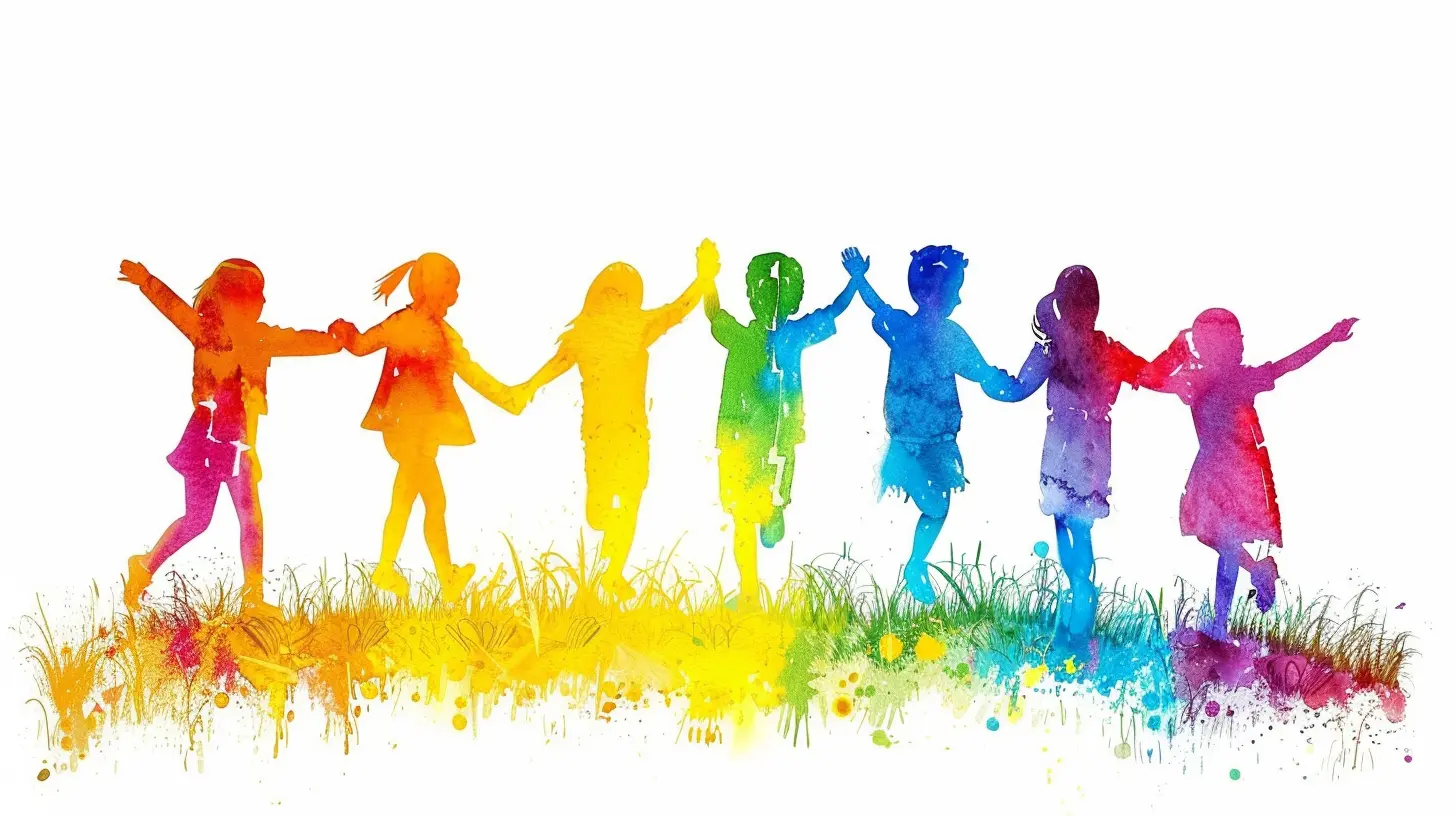
What Does an Inclusive Classroom Look Like?
Before we get into the “how,” let’s make sure we’re all clear on the “what.”An inclusive classroom is a learning environment that accommodates and embraces students of all backgrounds, abilities, and experiences. It’s a space where diversity isn’t just accepted—it’s celebrated.
That means:
- Students feel emotionally and physically safe.
- Teachers use diverse teaching methods to meet all learners.
- Social-emotional learning (SEL) is a core part of the curriculum.
- Everyone has a voice, and all voices are heard.
Think of it like a community garden. Every plant (student) needs different care—different amounts of sunlight, water, and nutrients. But with the right tending, they all bloom beautifully together.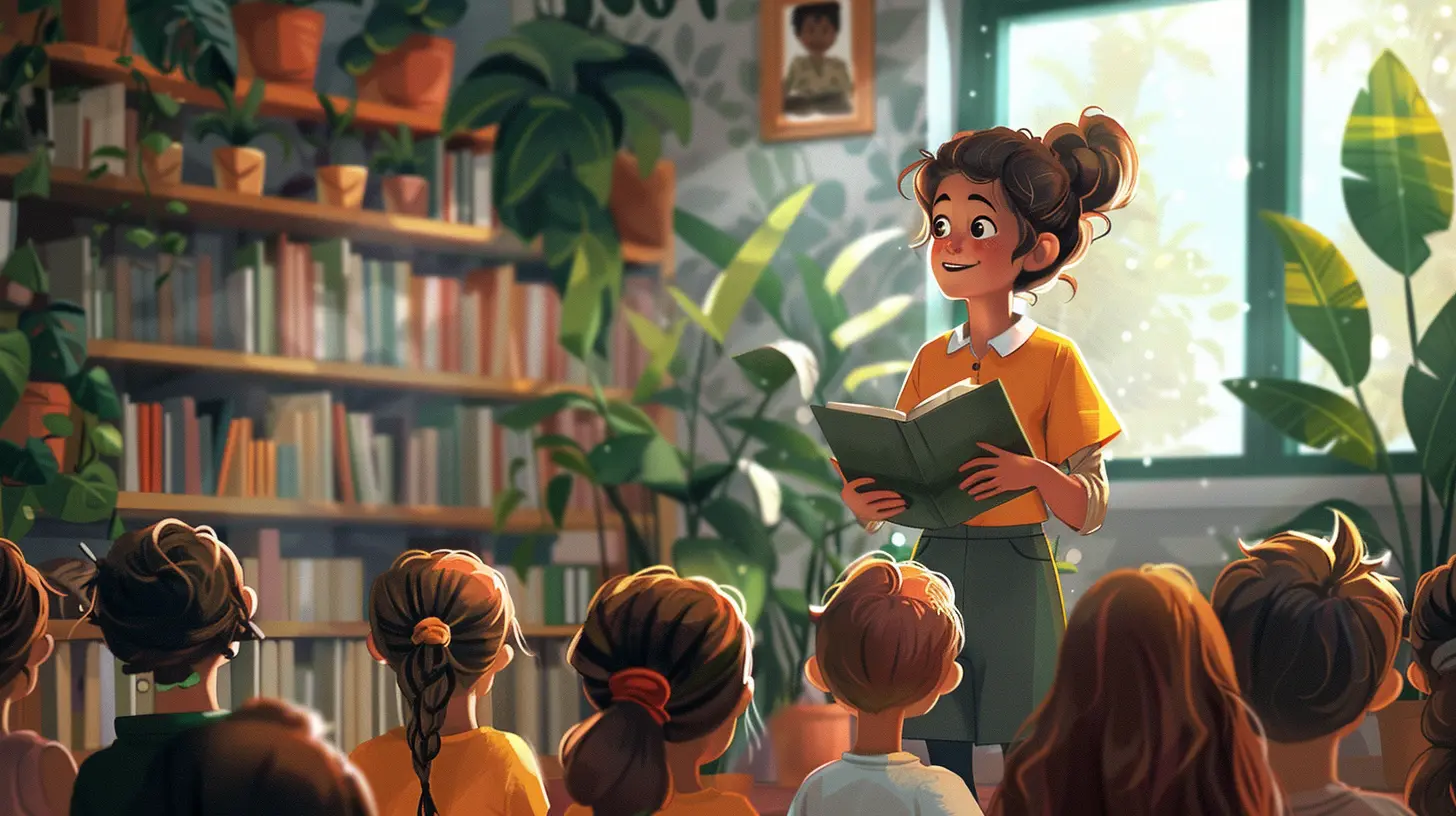
Why Inclusion and Character Growth Go Hand-in-Hand
You might be wondering: How does creating an inclusive classroom help students develop character?The short version? It teaches them empathy, respect, and resilience.
When students learn alongside peers who have different life experiences, they naturally become more understanding and accepting. They see struggles that aren’t their own. They recognize injustice. They start to care—not just for themselves but for others too.
Character growth isn’t about memorizing virtues; it’s about living them. And an inclusive classroom gives students the daily practice ground to do just that.
Start With Self-Reflection as an Educator
Let’s be real. Inclusion starts with you—the teacher.Are there biases you need to check at the door? Are there things you’ve maybe overlooked in your classroom culture? No shame in it—we’re all learning, all the time.
Take time to reflect. Ask yourself:
- Do all my students feel safe and represented?
- Am I creating space for every voice to be heard?
- Who might be falling through the cracks?
This isn’t about blame—it’s about growth. Your own character development is just as important as your students’.
Build Strong Relationships First
Here’s a secret: The best classrooms are built on relationships, not rules.Before you pile on lessons or dive into academic goals, focus on connection. Get to know your students. Show them that they matter—not just for their grades but for who they are as people.
Some ideas:
- Greet them by name at the door each morning.
- Host regular check-ins (think: “How are you really doing today?”).
- Celebrate their wins—even the small ones.
When students feel known and valued, they’re more likely to open up, take risks, and grow—both emotionally and intellectually.
Create a Culture of Respect and Belonging
It’s one thing to say “everyone belongs.” It’s another to make sure they actually feel it.Start by setting clear expectations around respect and kindness. But don’t just talk about it—model it. Show students how to listen without interrupting, how to disagree respectfully, and how to stand up for others.
Try this:
- Use morning meetings to talk about empathy and inclusion.
- Create agreements (not rules) together as a class.
- Provide opportunities for students to reflect on how their actions impact others.
And don’t underestimate the power of storytelling! Diverse books, films, and guest speakers can open up powerful conversations that shift perspectives and shape hearts.
Differentiate Instruction to Reach Every Learner
Inclusion isn’t just about social-emotional vibes—it’s also about academics.Students learn in all kinds of ways. Some are visual. Others are hands-on. Some need more time. Others thrive with structure. And that’s okay!
The key is to mix it up. Offer choices. Break up your lessons. Use tech tools, group work, and projects to reach multiple learning styles.
Think of yourself as a tour guide. Some students want the scenic route, others want the shortcut, but your job is to help everyone get to the destination—even if the journey looks a bit different for each one.
Include All Voices in the Classroom Conversation
Ever notice how some students always have something to say, while others hang back in silence? It’s easy for quieter students—or those who feel different—to disappear in the noise.Here’s the fix: be intentional about including every voice.
Try strategies like:
- Think-Pair-Share before open discussion.
- Using equity sticks to call on a variety of students.
- Giving time for written responses before verbal discussion.
Also, make space in your curriculum for students to share their cultures, experiences, and identities. When students see themselves in the content—you light a fire.
Address Bias and Injustice Head-On
Let’s not pretend the world is always fair. Kids see it. They experience it. And the worst thing we can do is ignore it.So, talk about it. Normalize these conversations in your classroom.
Teach students how to spot bias, how to think critically, and how to speak up when something isn’t right. Use age-appropriate current events. Role-play scenarios. Invite real talk.
This builds not just awareness but courage. You equip students with the tools they need to be kind, just, and proactive citizens in a world that desperately needs them.
Embed Character Education in Daily Life
Character education isn’t a one-off lesson. It’s a thread that weaves through everything you do.Model integrity. Celebrate honesty. Practice gratitude. Praise effort over outcome.
Use teachable moments when they pop up—after a group project goes sideways, or when a student helps another without being asked.
Think about integrating character words into your class routines:
- "Today we're focusing on perseverance—what does that look like during math?"
- "Who saw an act of kindness today? Let’s shout it out."
This helps students connect values to real behavior—not just abstract ideas.
Encourage Collaboration Over Competition
Let’s ditch the “every student for themselves” mindset. The real world requires teamwork, empathy, and shared success.Instead of always rewarding individual achievement, create opportunities for collective wins.
Group projects, collaborative learning stations, peer tutoring—it all helps students learn how to work together, support one another, and celebrate shared victories.
Not every student needs to be the star of the show—but everyone deserves their moment to shine.
Make Room for Mistakes and Growth
This one’s big. Inclusion and character development both thrive when students feel safe to mess up.We’re not raising perfectionists—we're raising people who problem-solve, apologize, and grow.
So when a student makes a mistake (and they will), don’t just correct—coach.
Help them reflect: What happened? How did it affect others? What could you do differently?
This teaches accountability without shame. And that’s a life skill with serious staying power.
Partner with Families and the Community
You can’t build an inclusive classroom in a vacuum.Partner with families. Invite their input. Honor their backgrounds. Communicate regularly—not just when something goes wrong.
Also, lean on your wider school and local community. Maybe your local library offers inclusive programs. Maybe a guest speaker from a community organization can talk about equity and kindness.
The more mirrors and windows you offer your students, the richer their character development becomes.
Continuously Reflect and Improve
Finally—know this: Creating an inclusive classroom that fosters character growth is ongoing work. There’s no finish line.Keep asking:
- What’s working?
- What’s not?
- Who might still feel left out?
Ask your students for feedback. Stay curious. Stay humble.
It’s okay if you don’t get it perfect. What matters is that you keep showing up, learning, and adjusting.
Because at the end of the day, your classroom might be just four walls—but it can hold the power to shape a lifetime.
Final Thoughts: It Starts with Heart
Look, creating an inclusive classroom is about more than lesson plans and bulletin boards. It’s about choosing to lead with compassion, every single day.It’s about believing that every child has value, every voice matters, and every act of kindness counts. It’s about lighting little sparks of empathy, resilience, and courage in your students—and helping them carry that light into the world.
And if that’s not what teaching is all about, I don’t know what is.
all images in this post were generated using AI tools
Category:
Character EducationAuthor:

Olivia Chapman
Discussion
rate this article
1 comments
Kendra Rhodes
In every heart, a seed of growth; nurture it with kindness, and watch a garden of character bloom.
June 17, 2026 at 2:37 AM
Olivia Chapman
Absolutely! Kindness is the key to helping every student thrive and develop their unique strengths.