How to Recover from a Low GPA When Applying in 2026
22 April 2026
So, you’re staring at your GPA and feeling a bit deflated. Maybe it didn’t turn out the way you hoped, or life threw you a few curveballs that made studying a challenge. First off, take a deep breath! You’re not alone in this, and it’s entirely possible to bounce back and make a strong impression when applying to colleges or jobs in 2026. In this article, we’ll dive into some actionable strategies, tips, and insights to help you recover from a low GPA and shine brighter than ever!

Understanding the Impact of a Low GPA
What Does a Low GPA Mean?
A low GPA can feel like a dark cloud hovering over your academic journey. But let’s break it down. Your GPA is just one piece of the puzzle. It reflects your performance in classes, but it doesn’t define your potential or your future. Think of it like a speed bump on a long road trip—it might slow you down, but it doesn’t mean you can’t reach your destination!The Importance of Context
When you’re applying to schools or jobs, context matters. Admissions committees and employers often look at your GPA in conjunction with other factors, such as your extracurricular activities, personal statements, and letters of recommendation. If you faced challenges that affected your grades—like family issues, health problems, or a tough transition to high school—don’t hesitate to share that context. It shows resilience and the ability to overcome obstacles.
Strategies to Improve Your Academic Profile
1. Focus on Your Strengths
Let’s flip the script! Instead of dwelling on your GPA, concentrate on what you excel at. Are you a whiz in math? A natural leader in group projects? Highlight these strengths in your applications. Consider taking advanced courses or electives in subjects you enjoy to boost your confidence and showcase your talents.2. Ace Your Standardized Tests
Standardized tests like the SAT or ACT can provide an opportunity to demonstrate your academic abilities outside of your GPA. Invest time in preparing for these exams. Consider enrolling in prep courses, using online resources, or forming study groups with peers. A strong test score can help offset a lower GPA and show that you’re capable of performing at a high level.3. Get Involved in Extracurricular Activities
Colleges and employers love well-rounded candidates! Engaging in extracurricular activities can help strengthen your application. Whether it’s joining a club, volunteering, or taking on a part-time job, these experiences can showcase your skills, dedication, and ability to balance multiple responsibilities. Plus, they can help you build a network of contacts and references.4. Craft a Compelling Personal Statement
Your personal statement is your chance to tell your story. Use it to explain any challenges you faced that impacted your GPA. Be honest, but also focus on how you’ve grown and what you’ve learned from those experiences. Highlight your determination, resilience, and commitment to improvement. This is your moment to shine!5. Seek Strong Letters of Recommendation
A glowing letter of recommendation can make a world of difference. Approach teachers, mentors, or supervisors who know you well and can vouch for your character, work ethic, and potential. A strong recommendation can provide context for your GPA and highlight your strengths in a way that numbers alone cannot.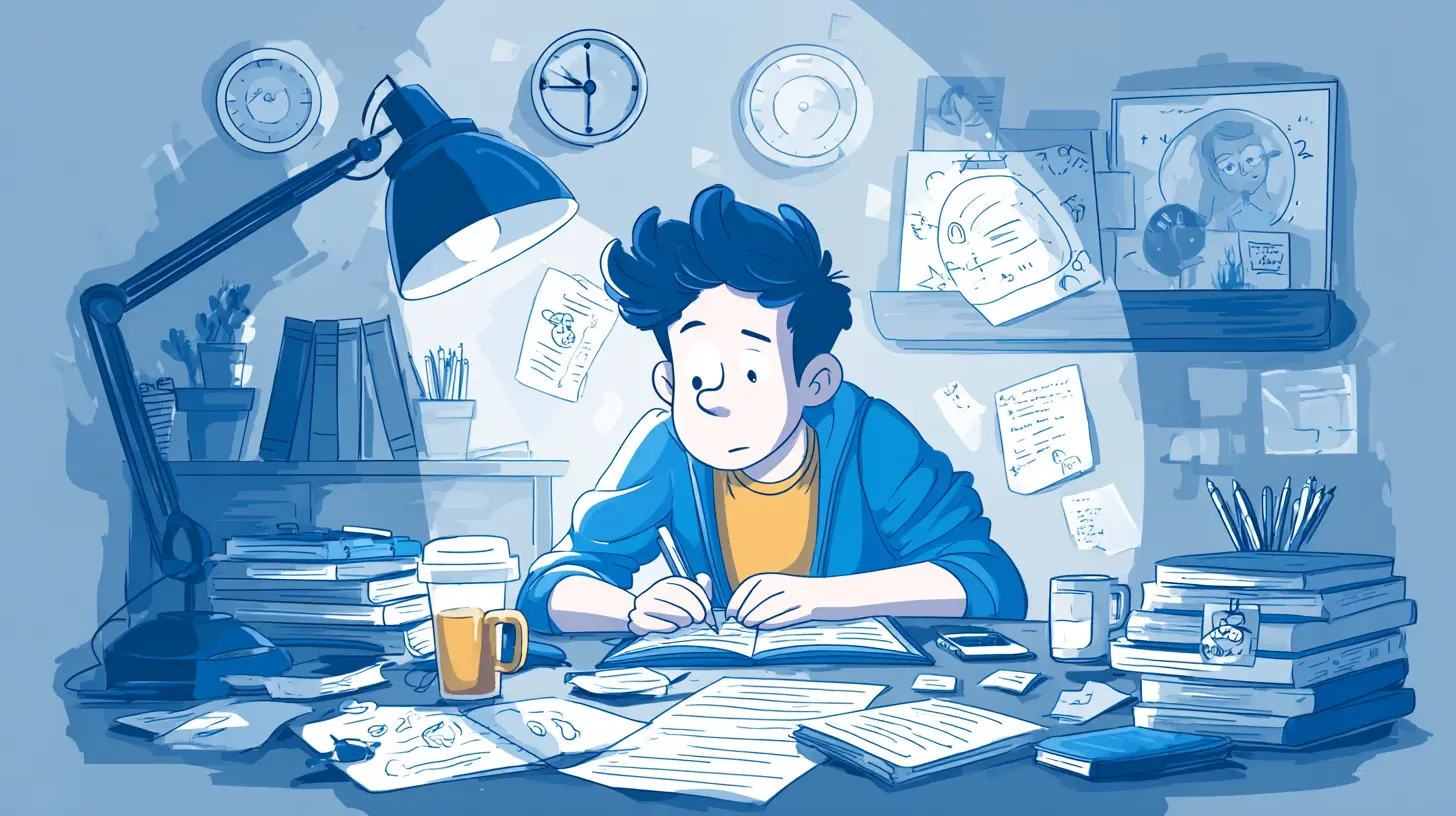
Building a Stronger Academic Future
6. Take Advantage of Academic Resources
Most schools offer resources like tutoring, writing centers, and academic advising. Don’t hesitate to seek help! Utilizing these resources can improve your grades and show that you’re proactive about your education. It’s like having a personal coach on your academic journey!7. Set Realistic Goals
Setting goals is crucial, but they need to be realistic. Instead of aiming for a perfect GPA, focus on incremental improvements. For instance, target a specific grade in your next class or commit to studying a certain number of hours each week. Celebrate your achievements, no matter how small—they all add up!8. Consider Alternative Education Paths
If traditional schooling isn’t working for you, explore alternative education options. Online courses, community college, or dual enrollment programs can provide a fresh start and an opportunity to improve your GPA. Plus, they can demonstrate your commitment to learning and personal growth.
The Power of Perseverance
9. Stay Positive and Resilient
It’s easy to feel discouraged when you’re facing academic challenges, but maintaining a positive mindset is crucial. Surround yourself with supportive friends and family who believe in you. Remember, every setback is a setup for a comeback! Keep reminding yourself that your GPA doesn’t define your worth or potential.10. Keep Learning and Growing
Education doesn’t stop when you leave the classroom. Stay curious and continue learning outside of school. Read books, take online courses, or explore new hobbies. This not only enriches your life but also shows colleges and employers that you’re passionate about personal growth.Preparing for Applications in 2026
11. Build a Strong Online Presence
In today’s digital age, your online presence matters. Create a professional LinkedIn profile and engage with relevant content in your field of interest. This can help you network with professionals, gain insights into your desired industry, and even uncover internship opportunities. Think of it as building your personal brand!12. Network and Seek Mentorship
Networking can open doors you didn’t even know existed. Attend college fairs, workshops, or community events to connect with people in your field of interest. Seek out mentors who can provide guidance, support, and advice as you navigate your academic and career journey. Remember, it’s not just about what you know, but also who you know!13. Prepare for Interviews
If you’re applying for colleges or jobs that require interviews, practice is key. Conduct mock interviews with friends, family, or mentors. Prepare answers to common questions, and don’t forget to include your story about overcoming a low GPA. This is your chance to shine and show your passion and determination!14. Stay Informed About Admission Trends
Keep an eye on the admission trends for the schools or companies you’re interested in. Understanding what they value in candidates can help you tailor your application. Whether it’s leadership experience, community service, or academic excellence, aligning your strengths with their values can make a big difference.15. Embrace the Journey
Lastly, remember that the path to success is rarely a straight line. Embrace the journey, with all its ups and downs. Each experience, whether good or bad, contributes to your growth. Keep your eyes on the prize, and don’t lose sight of your goals!
Conclusion: Your GPA is Not the End
Recovering from a low GPA may seem daunting, but it’s entirely possible with the right mindset and strategies. Focus on your strengths, seek support, and keep pushing forward. Remember, your GPA is just one part of your story. Your determination, resilience, and passion will shine through and make a lasting impression on colleges and employers alike. So, roll up your sleeves, put on your game face, and get ready to show the world what you’re made of!all images in this post were generated using AI tools
Category:
College AdmissionsAuthor:

Olivia Chapman
Discussion
rate this article
2 comments
Lulu Soto
This article offers practical advice for overcoming a low GPA, focusing on strengths beyond grades. It emphasizes the importance of a strong personal narrative and relevant experiences, which can make a significant difference in applications.
May 4, 2026 at 11:18 AM
Olivia Chapman
Thanks for your feedback! I'm glad you found the focus on personal narratives and experiences helpful. They really can make a big impact.
Sasha Barrett
Great insights! Focusing on strong personal statements and relevant experiences can really enhance applications. Consider seeking mentorship for guidance in improving academic skills.
April 24, 2026 at 3:51 AM
Olivia Chapman
Thank you! I completely agree; mentorship can make a big difference in refining applications and boosting academic skills.