Planning Campus Visits That Truly Matter
9 November 2026
Campus visits are a pivotal part of the college decision-making process for students and their families. As they set foot on a campus, prospective students often seek not just to gather information but to gauge the environment, culture, and fit of the institution. This article delves into the nuances of planning campus visits that resonate with genuine value for all involved.
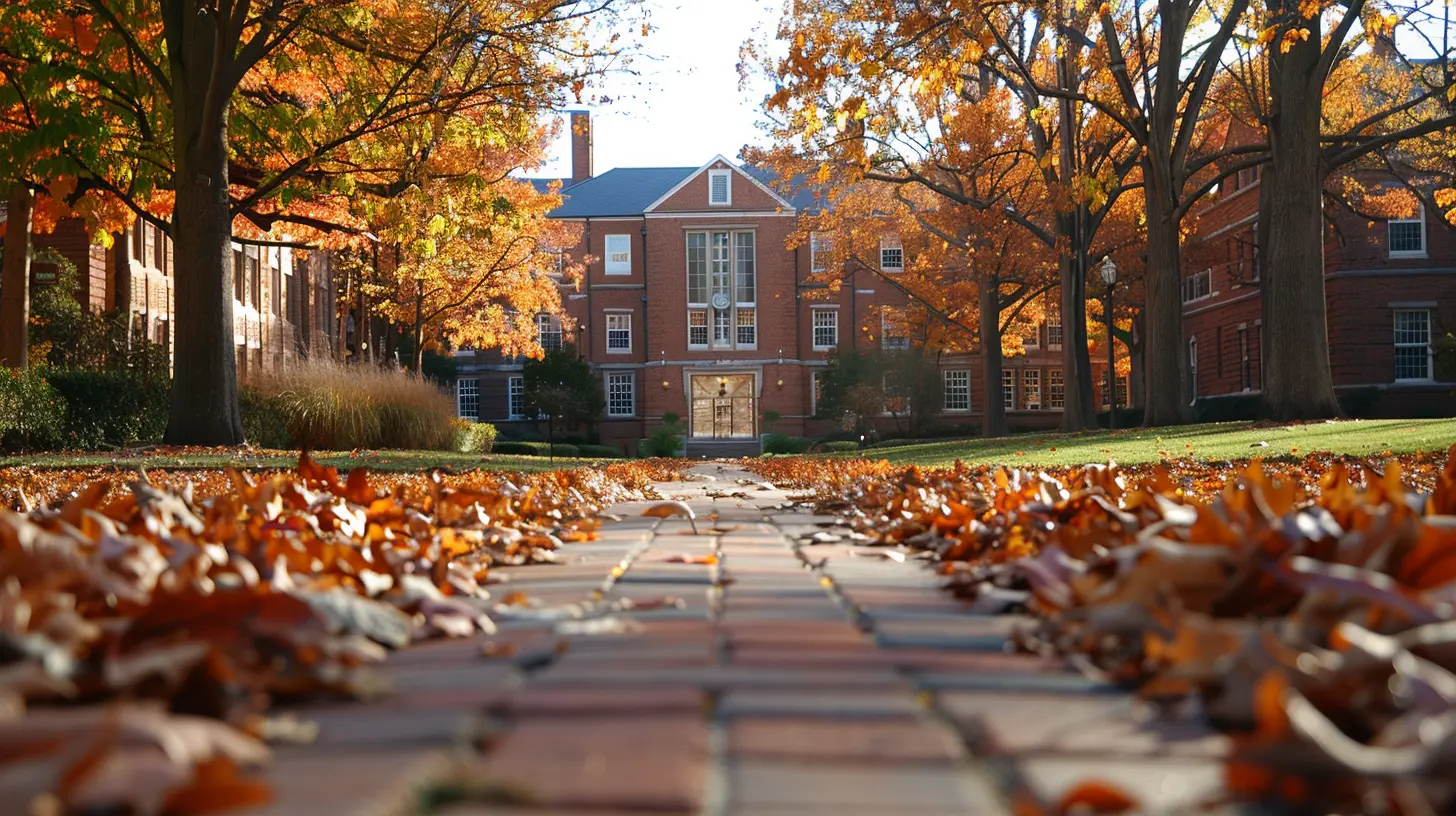
Understanding the Importance of Campus Visits
Campus visits serve multiple purposes. They are opportunities for students to experience firsthand the atmosphere of an institution, to interact with faculty and current students, and to visualize their potential future there. A visit can often solidify a student's interest-or, conversely, raise red flags.Emotional Connection
One of the most significant aspects of a campus visit is the emotional connection a student can forge with the environment. Factors such as the feel of the campus, the friendliness of interactions, and even the aesthetics of the buildings can play a crucial role in shaping a student's impression.Gathering Information
Beyond the emotional impact, visits are also about gathering critical information. Students can assess academic programs, extracurricular activities, and campus resources, which helps in making an informed decision.Building Relationships
In-person visits provide unique opportunities to build relationships with faculty and staff. These connections can lead to mentorship opportunities or provide insights that are not available through brochures or websites.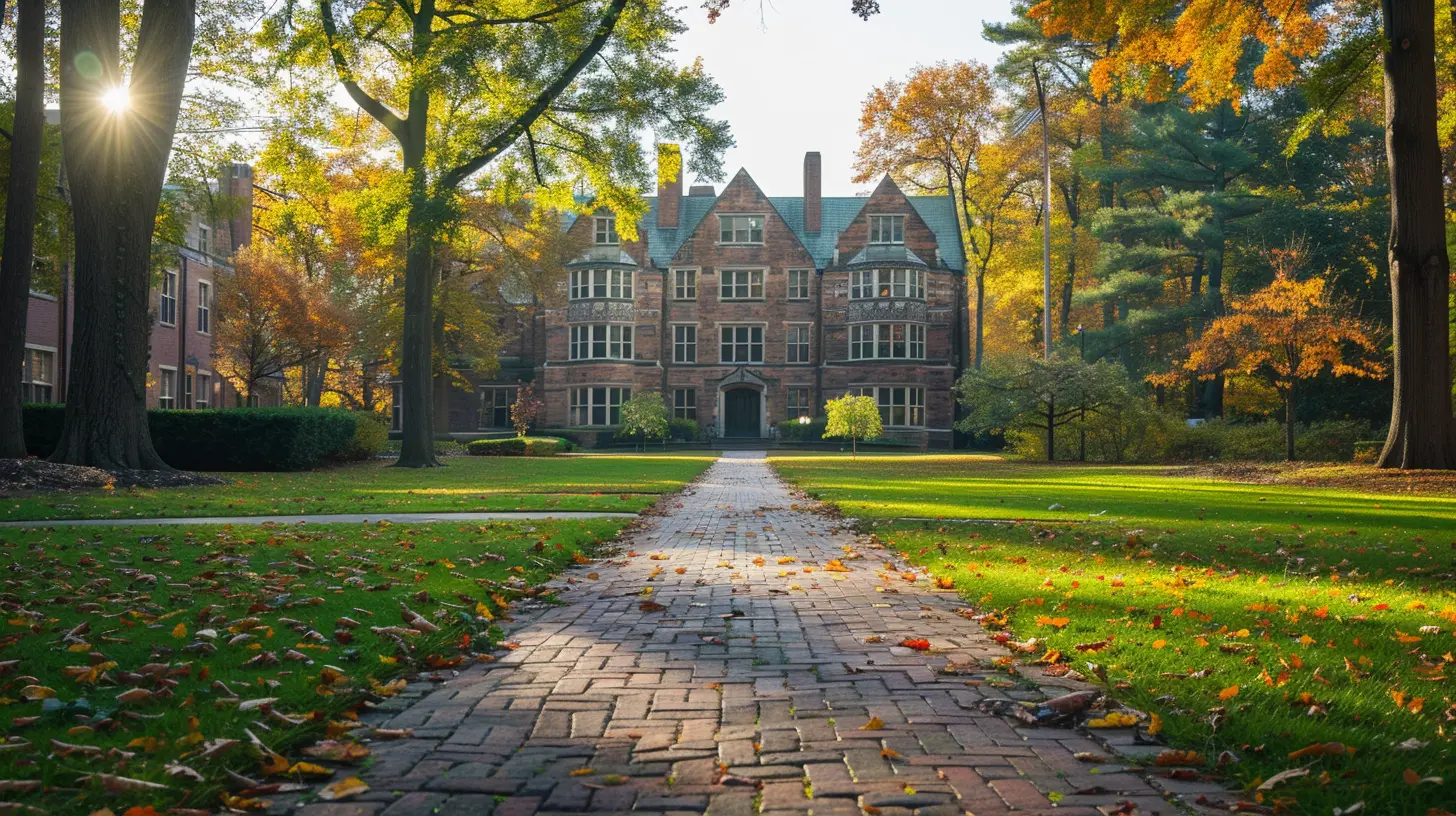
Planning the Visit: Key Considerations
To ensure that a campus visit is meaningful, careful planning is essential. Here are some critical points to consider:Timing Your Visit
Timing can significantly affect the value of a campus visit. Consider the following:- Academic Calendar: Visiting during the academic year allows students to see the campus in its full vibrancy. Avoiding breaks or exam periods can lead to a more authentic experience.
- Special Events: Check for open houses, admissions events, or campus fairs. These occasions often offer enriched experiences, including panels with current students and faculty.
Creating an Itinerary
A well-structured itinerary can maximize the visit's impact. Here are components to include:- Campus Tour: Most institutions offer guided tours by current students. This is a chance to ask questions and gain insights from someone experiencing the campus firsthand.
- Information Sessions: Attend any available information sessions detailing admissions, financial aid, or particular academic programs.
- Meetings with Faculty or Advisors: If possible, schedule meetings with faculty members in the prospective student's area of interest. This can provide deeper insights into the program and its culture.
Questions to Prepare
Before embarking on the visit, students should prepare a list of questions that address their concerns and interests. Examples include:- What support systems are in place for students transitioning to campus life?
- How accessible are faculty members outside of class?
- What opportunities exist for undergraduate research or internships?
Real-World Example
Consider a student interested in environmental science. Instead of just taking a general tour, they could reach out in advance to arrange a meeting with a professor in the program. This proactive approach could lead to a discussion about current research projects or internships, providing the student with valuable insights that brochures can't convey.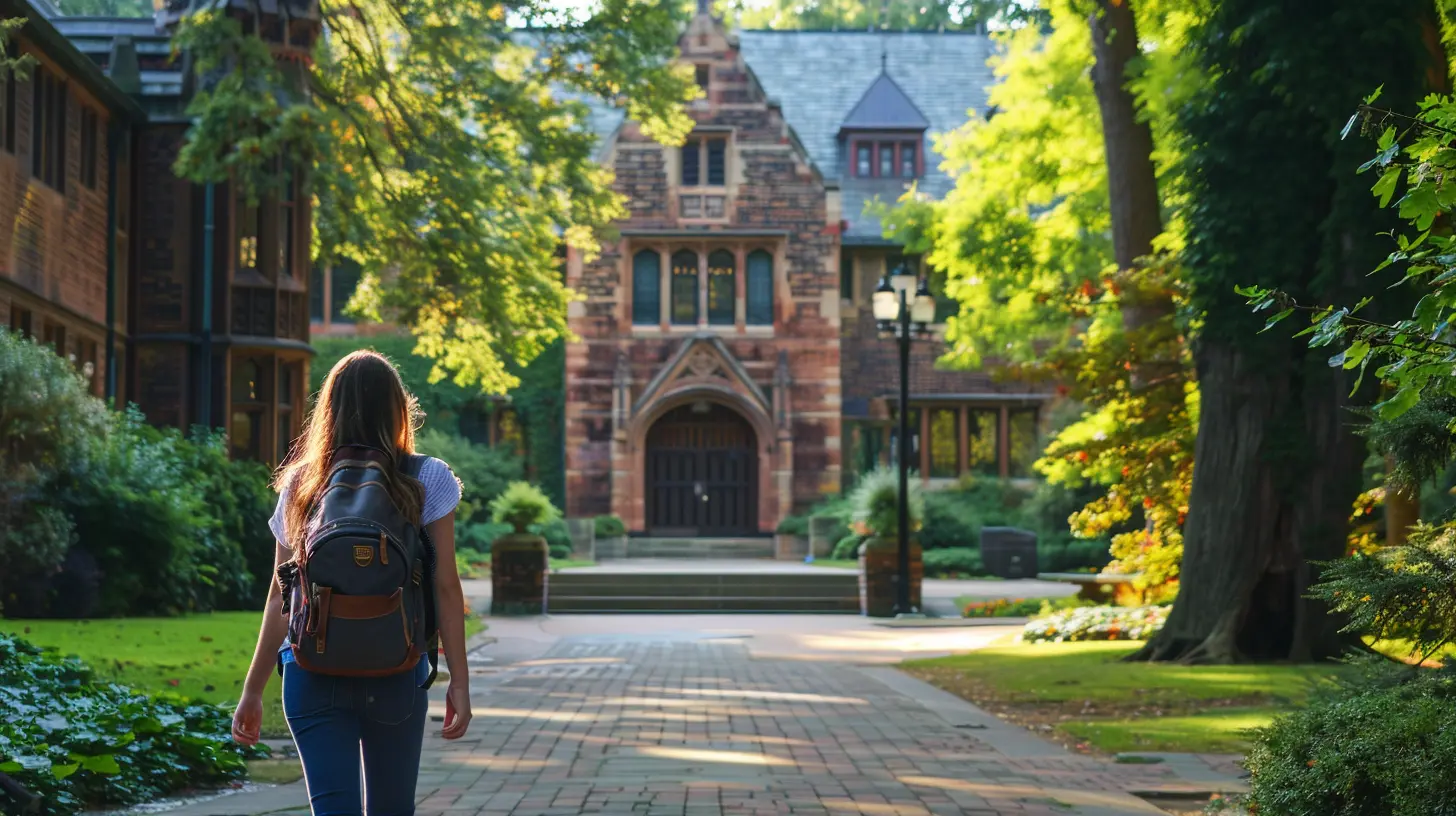
What to Look For During the Visit
While on campus, students and their families should focus on several key aspects that can influence their decision.Campus Environment
Observe the surroundings. Is the campus vibrant and welcoming? Are students engaged in activities or socializing? The energy and atmosphere can be telling indicators of the campus culture.Facilities and Resources
Take stock of the library, study spaces, and laboratories. Are they up to date and accessible? A well-resourced campus can significantly enhance the educational experience.Interaction with Current Students
Engaging with current students can provide valuable perspectives. They can offer insights into daily life, campus resources, and the real culture of the institution.Diversity and Inclusion
Assess the diversity on campus. An inclusive environment can enrich the academic experience and foster a sense of belonging. Look for signs of inclusivity in student organizations, events, and campus culture.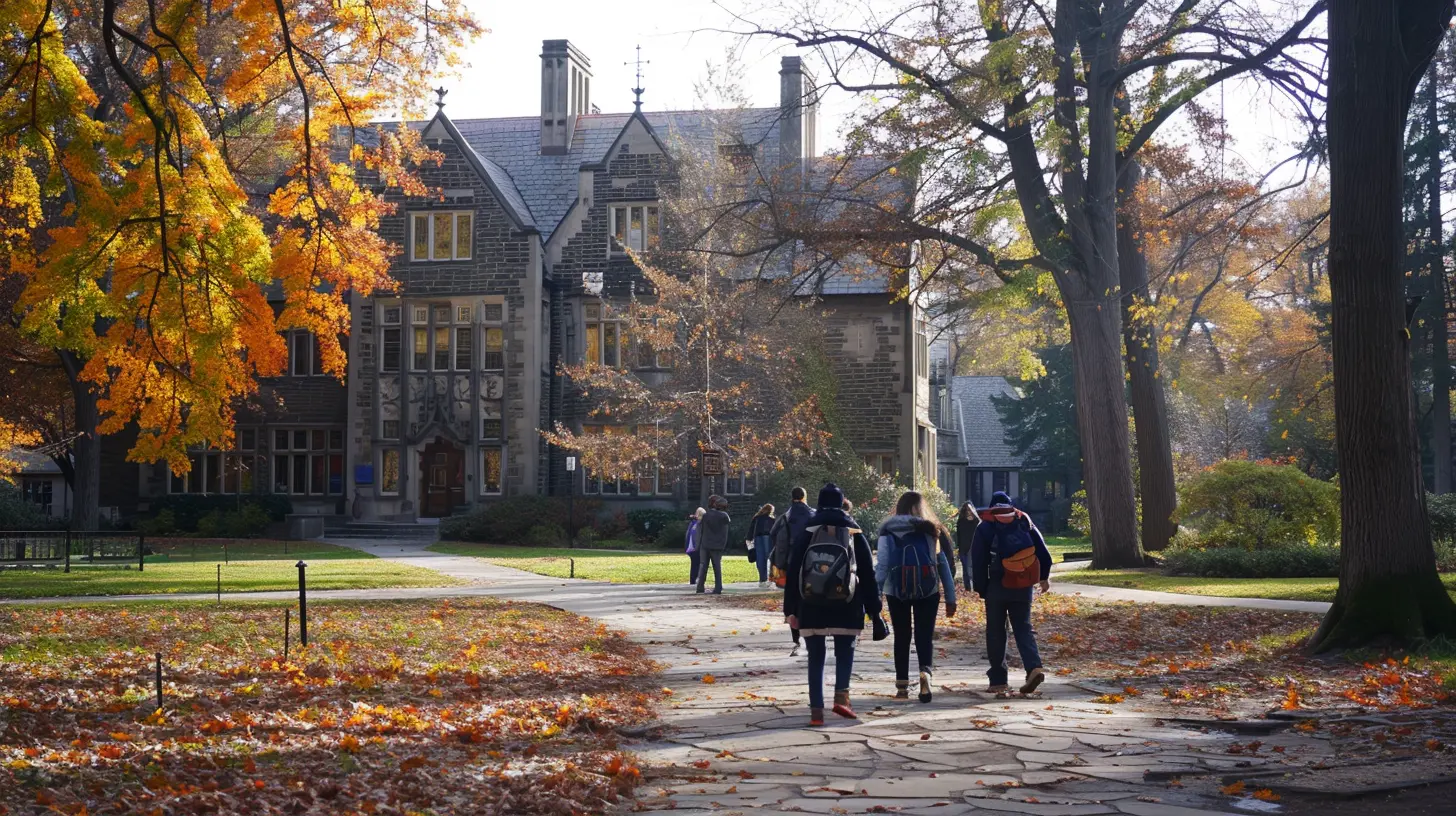
Common Mistakes to Avoid
Planning a campus visit can be straightforward, but there are pitfalls to avoid:Skipping the Pre-Visit Research
Failing to research the institution before visiting can lead to missed opportunities. Understand the programs, culture, and values of the institution to ask informed questions and engage meaningfully during the visit.Overlooking the Importance of the Surrounding Community
The campus is only part of the equation. The surrounding community can greatly influence the student experience. Take time to explore nearby amenities, housing options, and social activities.Not Taking Notes
It's easy to become overwhelmed during a visit. Taking notes can help retain important information and impressions, which can be beneficial when comparing multiple campuses later.Post-Visit Reflection
After the visit, students should take time to reflect on their experience. Here are some guiding questions:- How do I feel about the campus environment?
- Did the academic programs align with my interests?
- What aspects of the visit stood out positively or negatively?
Engaging Family Members
Involve family members in the reflection process. Different perspectives can provide a more comprehensive view of the visit and aid in decision-making.
Evaluating Multiple Campuses
For students considering multiple institutions, creating a comparison framework can be helpful. Here are factors to consider:Academic Offerings
Compare the programs and the faculty's credentials. Do they align with the student's academic and career goals?Campus Life and Culture
Consider the social environment. How do extracurricular options, campus traditions, and social dynamics compare across institutions?Financial Factors
Evaluate costs, including tuition, housing, and transportation. Understanding financial aid packages and scholarships can also influence the decision.Best Practices for a Successful Campus Visit
To maximize the effectiveness of campus visits, keep these best practices in mind:Flexibility
While an itinerary is helpful, remain flexible. Unexpected conversations or experiences can lead to valuable insights.Authentic Engagement
Be transparent and honest during interactions. Authenticity fosters genuine conversations and connections.Follow-Up
After returning from a visit, reach out to any faculty or staff members met during the visit. A thank-you email can solidify relationships and demonstrate interest.
Conclusion
Planning campus visits that truly matter requires thoughtful consideration and preparation. By focusing on the emotional connection, gathering pertinent information, and engaging meaningfully, students can gain insights that will guide their college decisions. This process not only helps in selecting the right institution but also prepares students for the transformative journey ahead.
all images in this post were generated using AI tools
Category:
College AdmissionsAuthor:

Olivia Chapman
Discussion
rate this article
1 comments
Olivia Graham
This article offers valuable insights into making campus visits meaningful. It's essential to connect with the university's culture and community. Thoughtful planning can turn a simple visit into a profound experience that helps students make informed choices about their future.
November 9, 2026 at 5:22 AM