Promoting Respect for Diversity in Schools
2 July 2026
Ever walked into a classroom and noticed how everyone’s just... different? It's like a colorful patchwork quilt — each piece unique, but stitched together to make something beautiful. That’s what diversity in schools looks like. But appreciating those differences doesn’t always come naturally. That’s where schools play a big role — by teaching, modeling, and promoting respect for diversity.
In today's fast-paced, multicultural world, our schools are more diverse than ever. And that’s a good thing! Culture, language, religion, learning styles, abilities — they all add richness to the school environment. But here’s the catch: if we don’t intentionally teach kids to respect these differences, it can lead to bullying, exclusion, and misunderstandings.
So how do we go about promoting respect for diversity in schools?
Let’s dive in.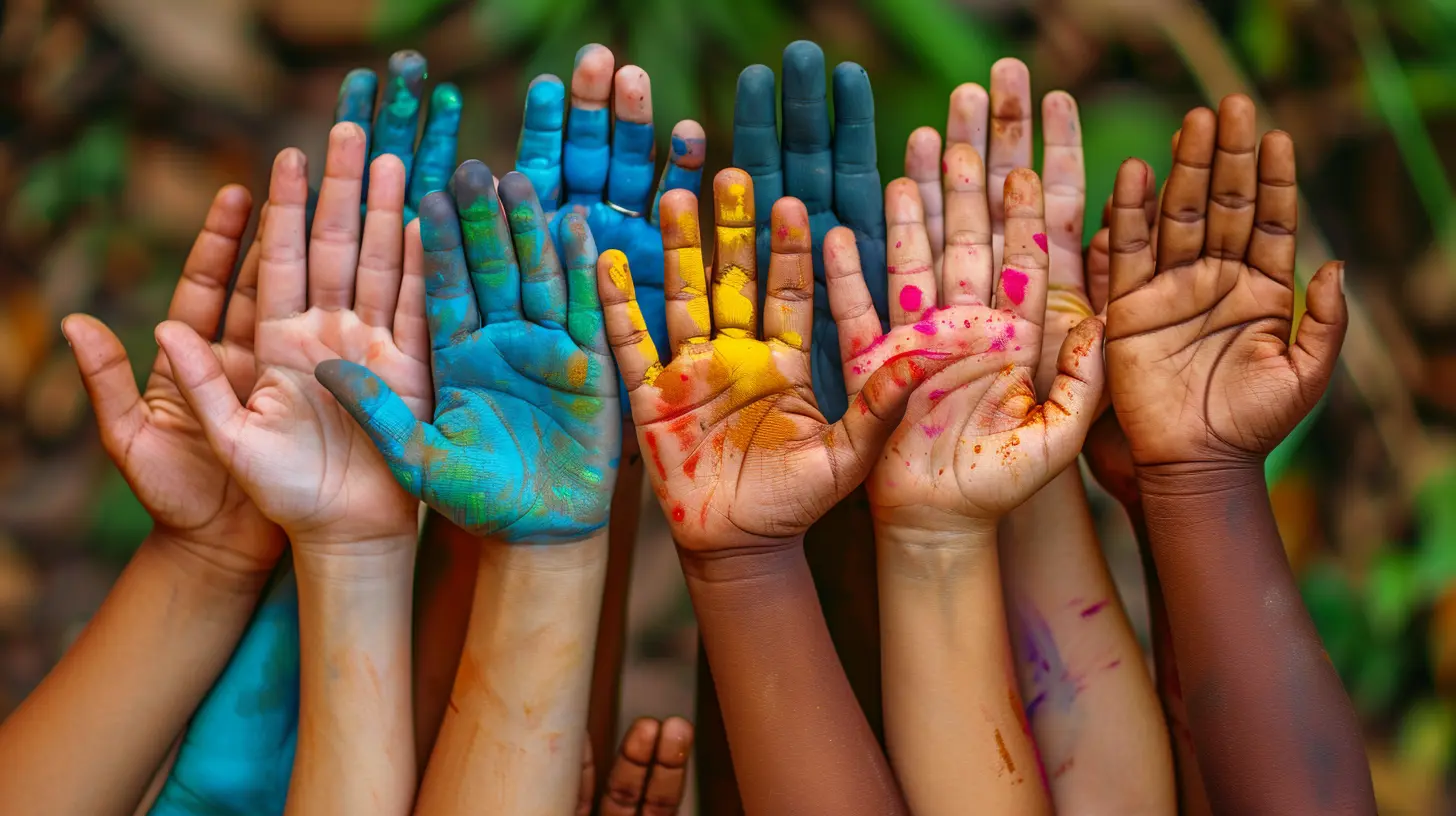
Why Is Respect for Diversity So Important?
First things first — why should we even care about promoting diversity in schools?Imagine a world where everyone looked, thought, and acted the same. Boring, right?
Diversity brings new perspectives. It sparks creativity. It builds empathy in young minds. Most importantly, it reflects the real world — the one students will grow up to live and work in. Schools are like mini-societies where students learn life lessons, and one of the biggest lessons is this: different doesn’t mean lesser.
When kids learn to appreciate others for who they are, regardless of background or identity, they grow up more open-minded, respectful, and kind. They become problem-solvers, team players, and empathetic humans — qualities every community, workplace, and society needs.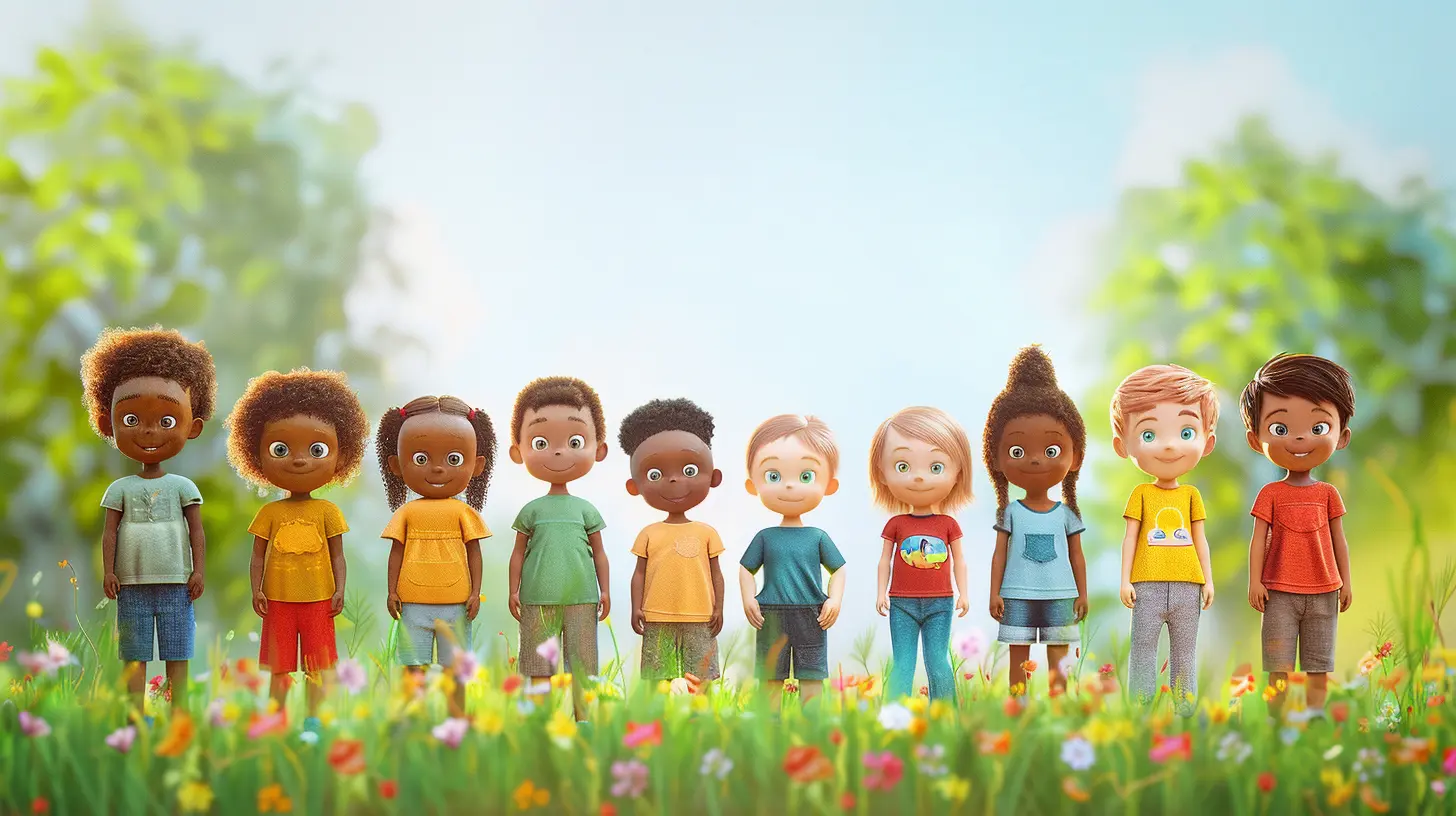
Building a School Culture That Celebrates Differences
You can’t just slap a “Diversity Matters” poster on the wall and call it a day. Promoting respect for diversity has to be baked into the school culture. Here’s how it happens.1. Start with Leadership
A school’s leadership team (from the principal to department heads) sets the tone. If they value inclusivity, it trickles down to every corner of the school. Leaders need to be vocal, intentional, and active in crafting policies and practices that prioritize diversity. Whether it's hiring diverse staff, offering training, or supporting inclusive programs — it starts at the top.2. Create Inclusive Classrooms
Teachers? They’re the real MVPs. They spend hours each day in direct contact with students, making them powerful influencers. Creating an inclusive classroom doesn't mean giving everyone the same thing — it means giving every student what they need to thrive.This can include:
- Using diverse materials — books, visuals, and media that reflect different cultures and identities.
- Encouraging open dialogue — a safe space where students can express themselves without fear of judgment.
- Addressing biases — calling out stereotypes and microaggressions when they happen.
- Differentiated instruction — adjusting teaching methods to support various learning styles and abilities.
When students see themselves represented and feel heard, respect for others follows naturally.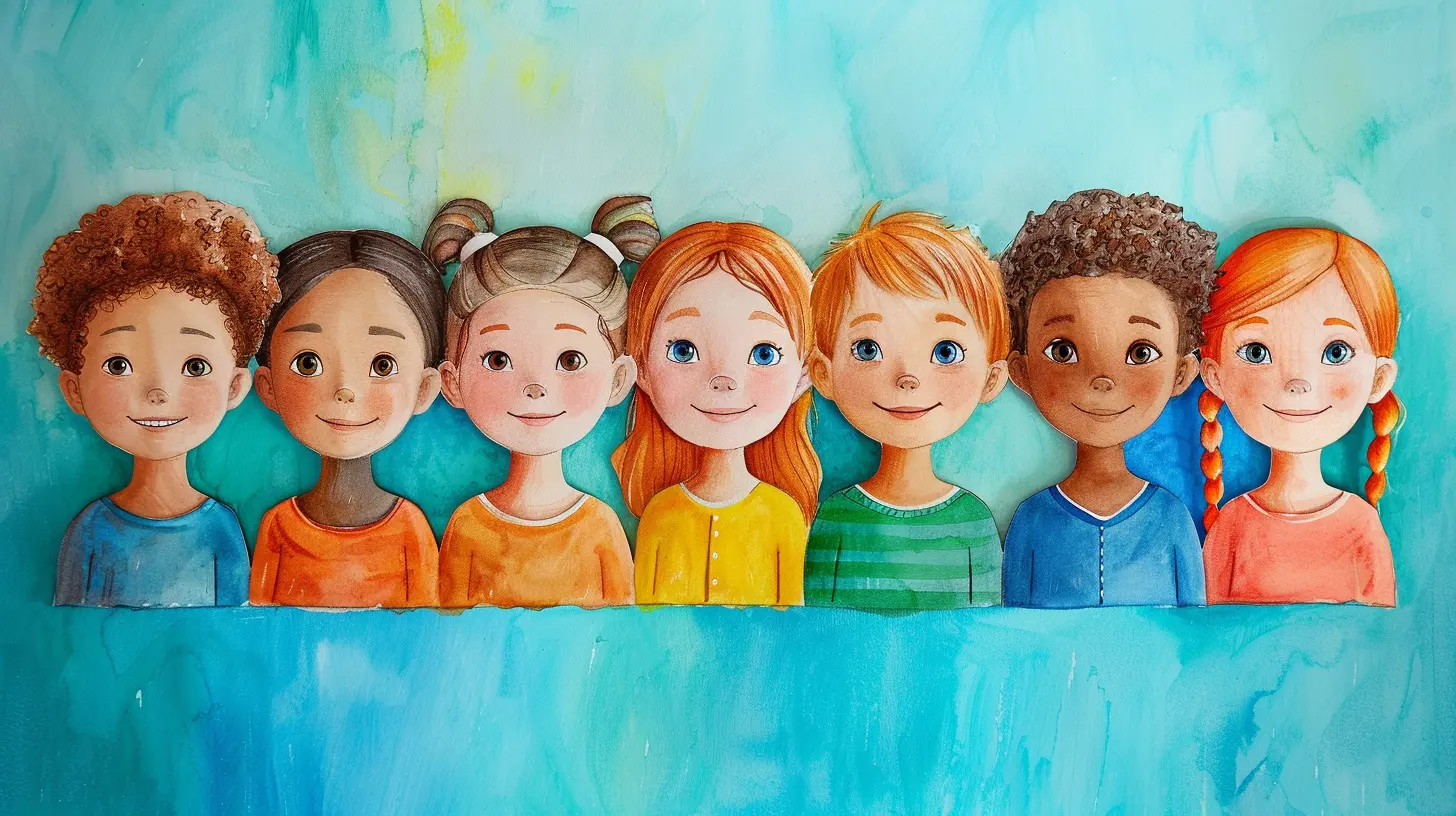
Teaching Tolerance Through Curriculum
Respect isn’t something you can force. It’s taught — bit by bit, day by day.1. Integrate Diversity Into Every Subject
You don’t need a separate course called “Diversity 101”. Inclusion can be woven into every subject:- History lessons that feature multiple cultural narratives.
- Art projects inspired by indigenous or international artists.
- Science discussions that highlight contributions from global innovators.
It’s about making diversity part of the story, not an add-on.
2. Focus on Social-Emotional Learning (SEL)
SEL is a game changer. It teaches kids how to understand themselves and others. Through activities that build self-awareness, empathy, and communication skills, students learn how to respect emotional and cultural differences.Practicing SEL might look like:
- Journaling about personal identity
- Role-playing conflict resolution
- Group discussions on fairness and equity
SEL complements academic learning and equips students with tools for real-life interactions.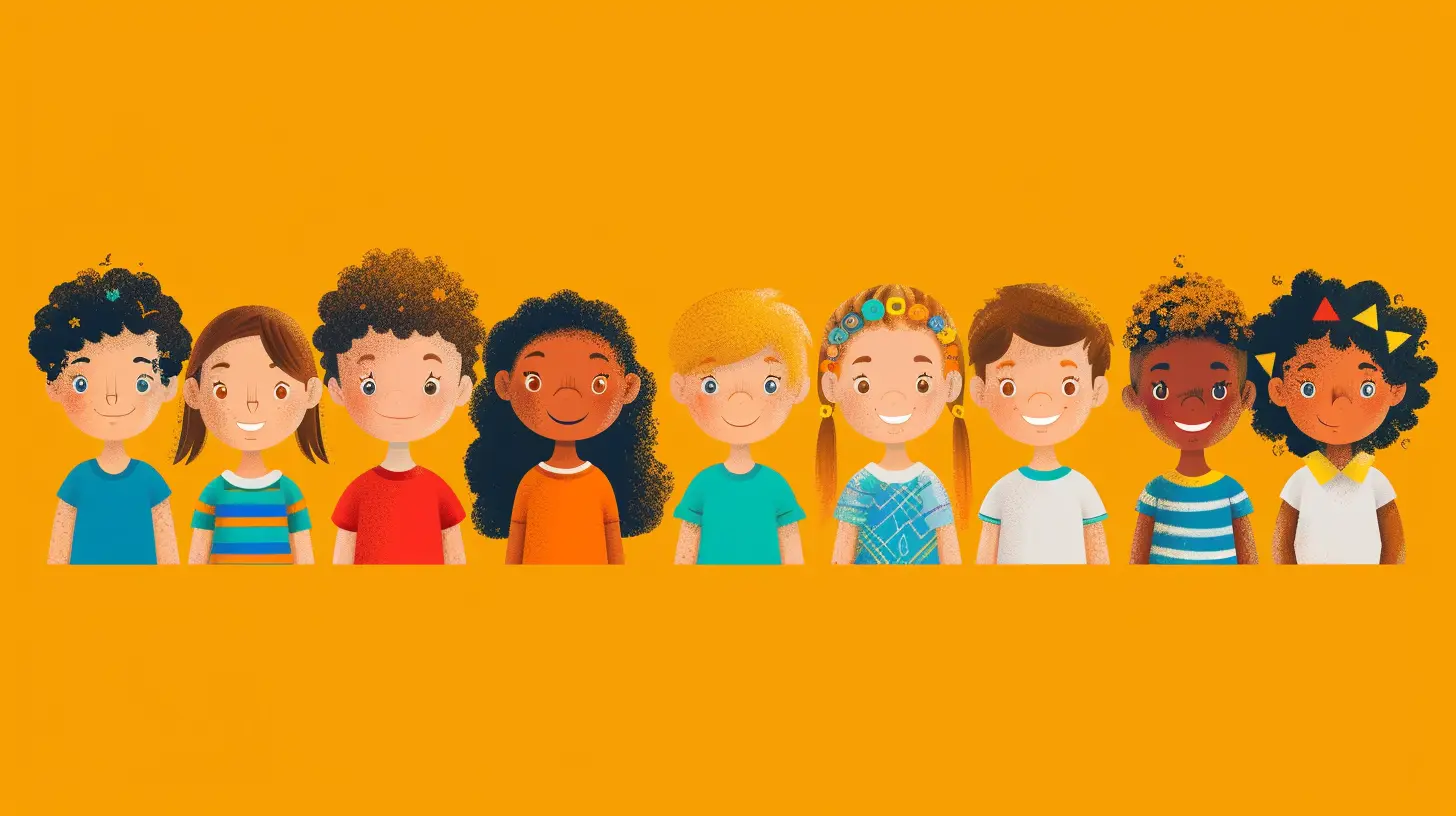
Encouraging Student Voice and Empowerment
Kids notice a lot more than we give them credit for. They know when they’re being talked at rather than listened to. That’s why giving students a voice is central to creating a respectful environment.1. Student-Led Initiatives
Whether it’s a Diversity Committee, Culture Club, or peer mentoring program, student-led activities give young people ownership of their community. They become advocates and allies for their peers — and trust us, that kind of peer influence is powerful.2. Celebrate Everyone’s Story
Ever tried a “Culture Week” or “Heritage Day”? These events are more than just fun – they’re eye-opening.Let students share their food, customs, music, and traditions. Not only do they take pride in their heritage, but their classmates get to learn and grow in understanding too. It’s like a trip around the world without leaving school grounds.
Addressing Bias and Challenging Stereotypes
Let’s be real — we all have biases. It’s part of being human. But unchecked bias in schools? That can be dangerous.1. Training for Staff and Students
Professional development sessions that focus on unconscious bias, cultural competence, and anti-racism are essential. The goal isn’t to point fingers, but to raise awareness and promote understanding.And for students? Workshops and classroom discussions that explore stereotypes, discrimination, and allyship go a long way.
2. Responding to Incidents
Let’s say a student makes a racist remark, or a group excludes someone because of how they talk. What now?It’s not about punishment — it’s about learning. Schools should have clear protocols for restorative practices that focus on dialogue, reflection, and growth. These moments, though tough, are teachable ones.
Involving Families and Communities
Promoting respect for diversity doesn’t stop at the school gates. To really make it stick, families have to be part of the conversation.1. Open Lines of Communication
Schools should communicate in multiple languages and formats to reach every parent. Whether it’s newsletters, parent nights, or surveys — the message is: “Your voice matters.”2. Community Involvement
Invite local cultural organizations, faith leaders, authors, or artists into the classroom. They can offer fresh perspectives and connect learning to real-world experiences.Plus, when families see their culture reflected in the school, it builds trust and a sense of belonging.
Using Technology to Promote Inclusion
In a world where kids are glued to screens, why not use technology to spread the message?From virtual exchange programs to classroom blogs that celebrate student identity, there are countless ways to use digital tools for good. Multimedia projects, podcasts on cultural stories, and online forums for diverse perspectives can connect students across backgrounds — and even across the globe.
Let’s use the internet not just to scroll... but to understand.
Measuring Progress: Are We Making a Difference?
Here’s the million-dollar question: how do we know if it’s working?Look beyond test scores. Pay attention to:
- School climate surveys
- Incident reports involving bullying or discrimination
- Student feedback
- Parent engagement
Set clear goals and track progress. Diversity isn’t a one-and-done initiative — it’s an ongoing journey.
Final Thoughts: Diversity Isn’t a Buzzword — It’s a Mindset
At the end of the day, promoting respect for diversity in schools isn't just about being “politically correct.” It’s about making schools safe, welcoming, and stimulating for everyone.We can't control what students bring from home. But we can control what happens in our classrooms, hallways, and lunchrooms. We can build communities where every student feels seen, heard, and valued.
So, let’s ditch the cookie-cutter model of education. Let’s embrace the beautifully messy, vibrant, and diverse world that our students live in. Because when students learn to respect each other’s differences, they’re not just learning how to be good students — they’re learning how to be good people.
And isn’t that what education is all about?
all images in this post were generated using AI tools
Category:
Character EducationAuthor:

Olivia Chapman
Discussion
rate this article
1 comments
Beatrix McAnally
Promoting respect for diversity in schools is essential. It not only enriches the learning environment but also prepares students for a global society. Every effort to celebrate differences fosters understanding and unity, paving the way for future success.
July 5, 2026 at 2:34 AM
Olivia Chapman
I completely agree. Embracing diversity in schools truly enhances learning and equips students with the skills they need to thrive in our interconnected world. Every step toward inclusivity is a step toward a brighter future.