The Renaissance: A Rebirth of Art and Ideas
11 March 2026
The Renaissance. That one word holds so much history, drama, and innovation that it practically bursts at the seams. If you’ve ever wondered how we went from castles and plagues to cathedrals and masterpieces, you’re in the right place. Let’s take a deep dive into this fascinating period where art, science, literature, and philosophy all got a major upgrade.

What Was the Renaissance, Anyway?
Let’s start simple. The word “Renaissance” literally means “rebirth.” And that’s exactly what it was—a cultural rebirth that started in Italy around the 14th century and spread through Europe over the next few hundred years.But what was being “reborn”? Well, after centuries of what many call the “Dark Ages,” people started looking back at the achievements of ancient Rome and Greece. They dusted off old ideas, added some fresh thought, and boom—a whole new movement was born.
Why Did the Renaissance Begin in Italy?
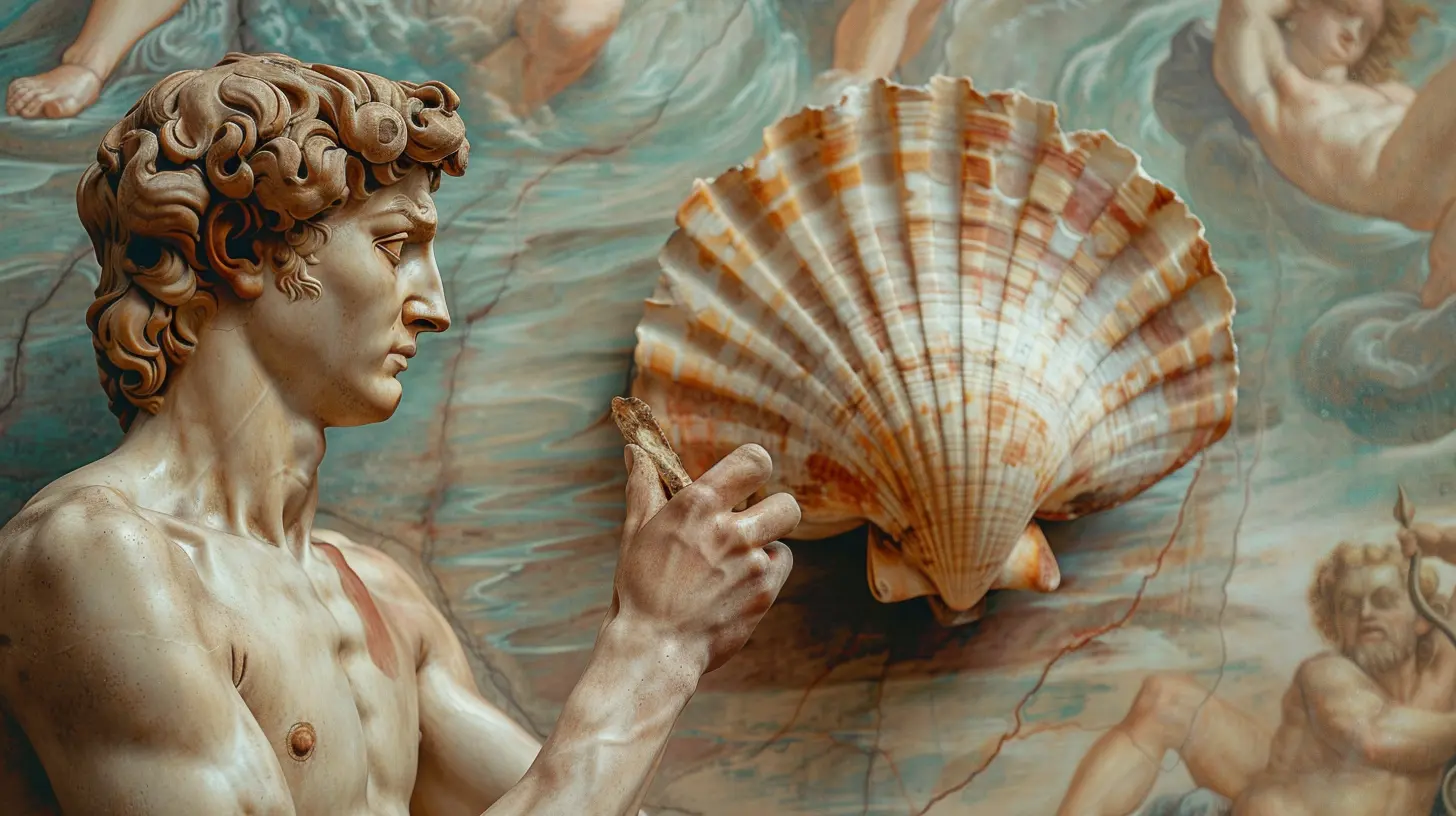
Ever wonder why Italy gets the bragging rights to the Renaissance? It wasn’t just luck.Back in the day, Italy was made up of city-states like Florence, Venice, and Rome. These places were buzzing with trade, wealth, and political intrigue. With wealthy families like the Medicis in Florence funding artists and scholars, there was both the money and the motive to push new ideas forward.
Also, being home to the ruins of the Roman Empire kinda helped. Italians were literally living among ancient statues, buildings, and manuscripts. Inspiration was all around them.

The Big Picture: Key Features of the Renaissance
Let’s break it down. What really made the Renaissance stand out? Here are the core elements:1. Humanism: Putting People at the Center
Humanism was the backbone of the Renaissance. Instead of focusing only on religious themes, thinkers started placing humans—and human experience—front and center. People were encouraged to think, question, explore, and create. It was all about potential. Kind of like switching from black-and-white to full-on color.2. A Shift in Art: From Flat to Fabulous
Art during the Middle Ages was mostly religious, symbolic, and two-dimensional. Then came Renaissance art, and let’s just say it was a glow-up of epic proportions.Artists like Leonardo da Vinci and Michelangelo brought in perspective, emotion, and realism. Suddenly, people looked like, well, people. Scenes had depth. Light and shadow mattered. It was like someone opened a window and let in the sun.
3. Scientific Curiosity: Asking the Big Questions
This wasn’t just an art revolution. Minds like Galileo and Copernicus were challenging everything we thought we knew about the universe.Science during the Renaissance was about observing, questioning, and experimenting. It was like trading in superstition for a telescope. And it laid the groundwork for everything from modern astronomy to medicine.
4. Literature in the Vernacular: Speaking the People’s Language
Before the Renaissance, most stuff was written in Latin, which limited who could actually read it. But suddenly, writers like Dante (hello, Divine Comedy), Petrarch, and Boccaccio started writing in local languages—Italian, French, English. Writing became more personal, relatable, and widely read.5. Printing Press Power: Spreading the Word
Gutenberg’s printing press (invented around 1440) changed the game. No more hand-copying books for years in monasteries. Now, ideas could spread like wildfire.Think of it as the OG internet. It connected people with knowledge like never before. Books became cheaper, faster to produce, and more available. The Renaissance might’ve started in Italy, but the press helped it go global.
The Rockstars of the Renaissance
Let’s put faces to the names. Who were the movers and shakers behind this cultural boom? Here are a few you should definitely meet:Leonardo da Vinci – The Ultimate Polymath
Painter, engineer, scientist, inventor. Was there anything Leo couldn’t do? He gave us the “Mona Lisa,” “The Last Supper,” and countless sketches of flying machines, human anatomy, and inventions way ahead of his time.Michelangelo – The Sculptor of the Soul
Michelangelo was the guy who made marble look like flesh. His “David” and the Sistine Chapel ceiling are nothing short of jaw-dropping. He once said he saw the angel in the marble and carved until he set it free. Goosebumps, right?Raphael – The Master of Balance and Harmony
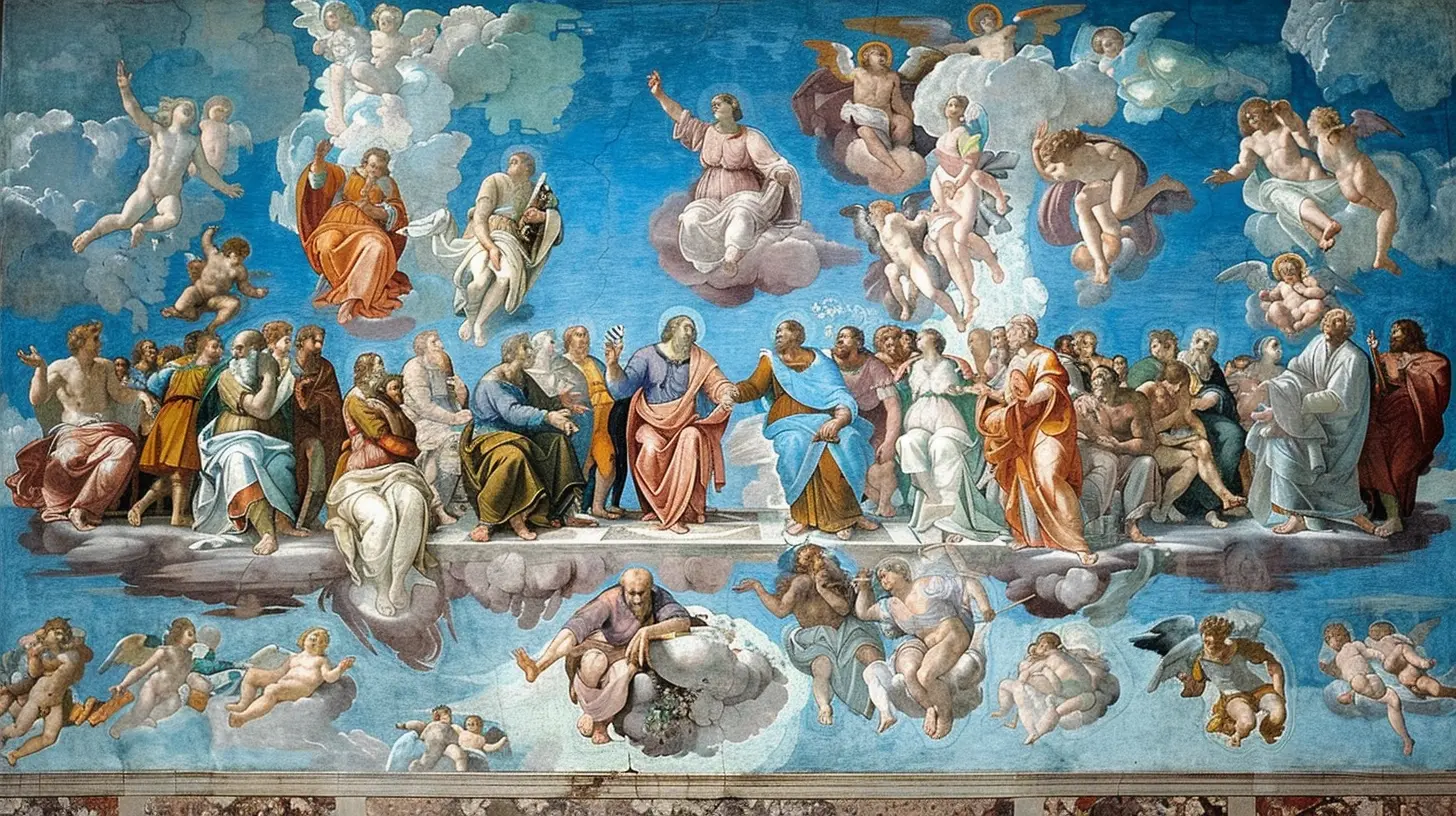
Known for his graceful compositions and use of perspective, Raphael brought a refined elegance to Renaissance art. His “School of Athens” is like a who’s who of classical thinkers, all hanging out under one seriously impressive roof.Galileo Galilei – The Stubborn Genius
Galileo wasn’t content just looking at the stars—he challenged the whole worldview. He supported the idea that the Earth revolved around the sun and got into hot water with the Church for it. But his work paved the way for modern physics and astronomy.William Shakespeare – The Bard of the Renaissance
Across the channel in England, Shakespeare was spinning stories that we still read and perform today. His insights into human nature, love, jealousy, ambition—timeless. Plus, the guy coined more phrases than you’d think. Ever said, “break the ice” or “heart of gold”? Thank him.A Renaissance Man: More Than Just a Compliment
We still toss around the phrase “Renaissance man” today, usually for someone who’s multi-talented. And it totally makes sense. The ideal back then was to be well-rounded—not just great at one thing, but skilled in many areas: art, science, music, writing, even architecture.Leonardo da Vinci was the poster child for this idea. But the concept still resonates with us today. We admire people who are curious, passionate, and versatile.
How the Renaissance Changed the World
So why does all this matter? Why should we care about what happened 600 years ago? Simple—because the Renaissance shaped the modern world in more ways than you might think.Education Took a Leap Forward
With humanism came a new focus on education. Schools began to teach a broader curriculum including literature, math, and philosophy—not just religious texts. This shift changed how we learn even today.Science and Technology Got a Jumpstart
Many of the theories and discoveries during the Renaissance acted as springboards for the Scientific Revolution. Without that foundation, we might not have Newton’s laws, the theory of evolution, or even the smartphone in your pocket.Art Set the Gold Standard
Even now, Renaissance art is the benchmark for beauty, skill, and innovation. Museums all over the world are packed with people dying to see that one painting, that one sculpture, from this golden era.Ideas Moved Freely—And Powerfully
Thanks to the printing press and vernacular writing, people across Europe had access to new ideas. And ideas? They’re contagious. They inspired reforms, revolutions, and movements. It was like intellectual wildfire.Was the Renaissance All Sunshine and Roses?
Not exactly. While the Renaissance brought stunning achievements, it wasn’t perfect. Social inequality was still rampant. Women and the poor had limited access to education and opportunities. And while some religious reformers pushed for change, others faced persecution.Still, for all its flaws, the Renaissance opened minds and doors. It laid the groundwork for the Enlightenment, the modern age, and most of what we cherish in culture today.
Final Thoughts: Why the Renaissance Still Matters
The Renaissance wasn’t just some artsy chapter in a history book—it was a cultural awakening that redefined what it means to be human. It taught us to value curiosity, creativity, and critical thinking. It showed us that art and science don’t have to compete—they can co-exist and even enhance each other.And maybe the biggest takeaway? Progress happens when we look back to look forward. The Renaissance was built on ancient ideas reimagined for a new world. Maybe there’s a lesson in that for us today.
So the next time you stroll through a museum, gaze at the stars, read a classic novel, or even sketch a doodle in your notebook—remember, you’re part of a legacy that started with a simple but powerful idea: What if we brought the world back to life?
all images in this post were generated using AI tools
Category:
History LessonsAuthor:

Olivia Chapman
Discussion
rate this article
2 comments
April McKay
This article beautifully captures the essence of the Renaissance; it's inspiring to reflect on such transformative creativity.
March 16, 2026 at 4:21 AM
Olivia Chapman
Thank you! I'm glad you found the article inspiring and that it resonated with the transformative spirit of the Renaissance.
Parker McConnell
The Renaissance truly revitalized creativity and thinking, shaping our modern understanding of art.
March 14, 2026 at 4:04 AM
Olivia Chapman
Thank you! The Renaissance indeed marked a pivotal shift, fostering innovation and laying the groundwork for modern artistic expression.