The Role of Cultural Awareness in Digital Learning Spaces
4 March 2026
Let’s be real for a second—online learning is everywhere. From YouTube tutorials to Zoom university classes, we’re all swimming in a massive digital education ocean. But here’s a question that far too many educators and course creators overlook: Is your online class just a one-size-fits-all experience? Spoiler alert—it shouldn’t be.
In this sassy, bold, and unapologetically real post, we’re diving into something that doesn’t get nearly enough love: cultural awareness in digital learning spaces. If you think culture is only about food, festivals, and funky hats, buckle up. We’re about to blow the lid off that narrow view.
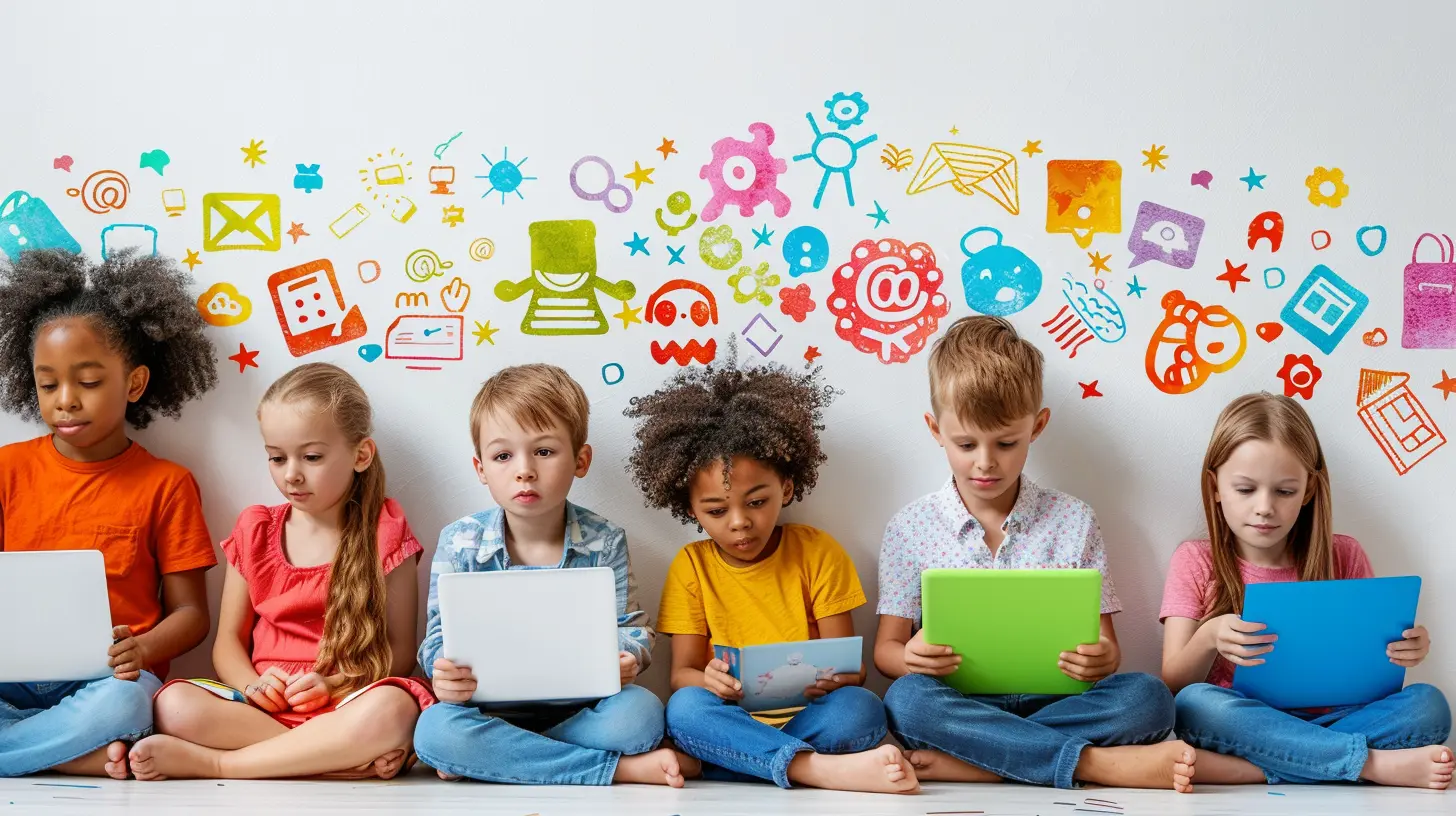
Welcome to the Global Classroom
Thanks to the internet, your “classroom” might include a student in Tokyo, another in Nairobi, and someone else tuning in from São Paulo—all at the same time. The beauty of digital learning is that it tears down geographical barriers like nobody’s business. But this global reach is a double-edged sword. With diversity comes responsibility, baby!Culture Isn't Just Background Noise
You might be thinking, “Okay, but what does culture even have to do with learning?” Short answer: Everything.Culture affects how people communicate, process information, and even how they view authority. What feels like a friendly joke to one learner might be deeply offensive to another. A case study written through a Western lens may totally alienate a student from Southeast Asia. So yeah—culture seriously matters.

Why Cultural Awareness Should Be Your Digital BFF
Let’s break it down. Cultural awareness is simply the ability to recognize and respect different cultural norms, behaviors, and values. Simple, right? But in practice, not so much.Here’s why it needs a front-row seat in your e-classroom strategy:
1. It Builds Genuine Inclusivity
Inclusivity means more than just slapping a rainbow flag on your website and calling it a day. It’s about creating a space where learners from all walks of life can engage, interact, and thrive.Ignoring cultural nuances is like setting up a party and only playing your personal playlist. It might vibe for some, but others are gonna feel left out. And no one learns well when they’re sidelined.
2. It Boosts Engagement
When students see themselves reflected in course content—whether that’s through diverse examples, multilingual captions, or respectful communication—they’re more likely to feel seen, heard, and, most importantly, motivated. And honey, a motivated student is a successful student.Think of it like seasoning your food. Culture is the spice that keeps your learning platform from being bland as dry toast.
3. It Prevents Miscommunication and Conflict
Let’s be honest. Misunderstandings happen. But in a cross-cultural learning environment, one poorly worded announcement or ill-timed emoji can set off a digital wildfire.By understanding cultural norms (like how some cultures value indirect communication while others don’t mess around with subtlety), you can anticipate these issues and keep the digital peace.
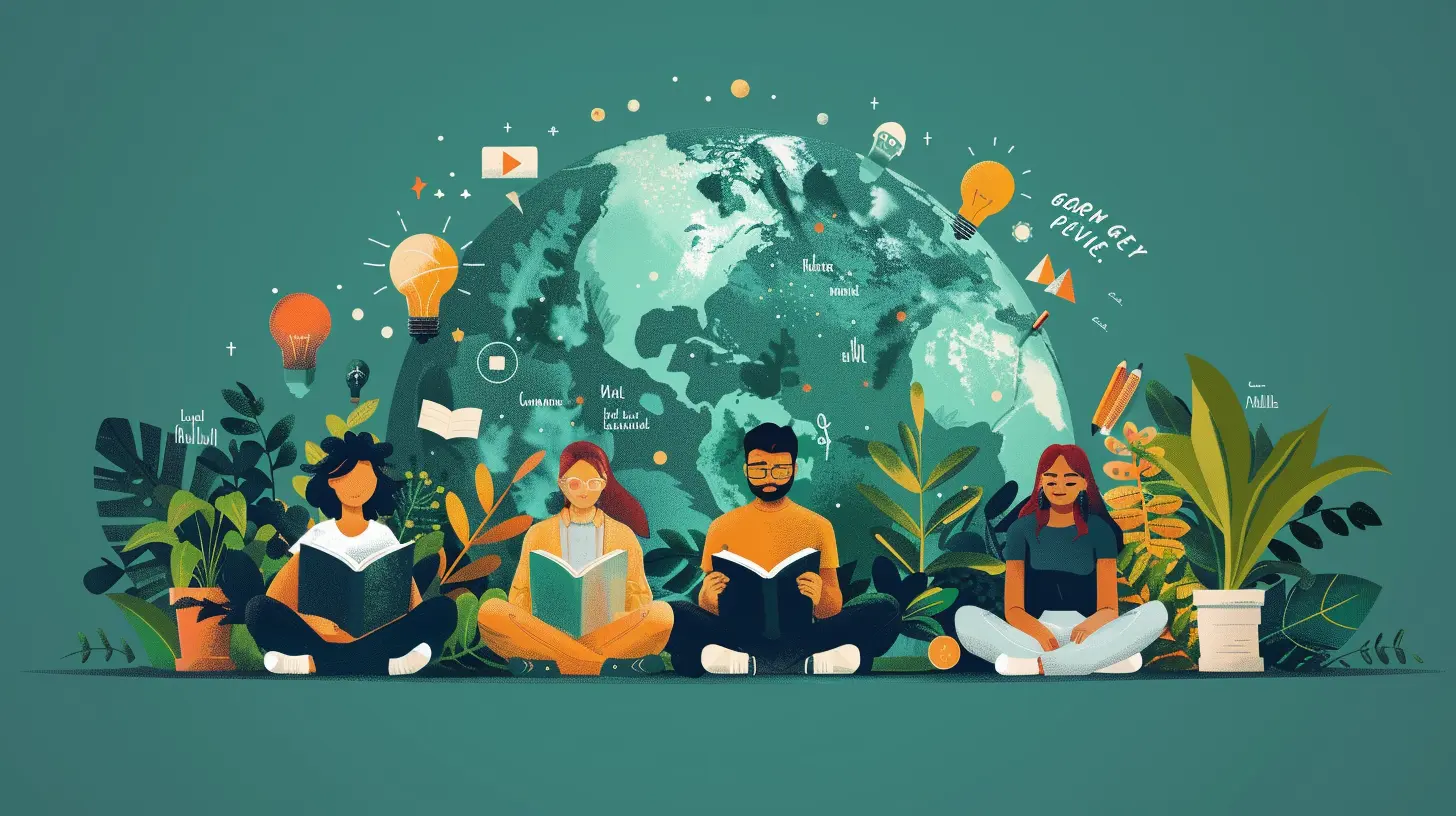
How to Flex That Cultural Awareness Muscle
Alright, now that we know why cultural awareness is a must, let’s talk action. How do you actually embed it into your digital learning spaces without turning your course into a United Nations conference?Let’s break it down like a TikTok recipe.
1. Curate Content That Speaks to Everyone
This one’s a biggie. Your content should be as diverse as your audience. Ask yourself, “Who is being represented here?” and just as importantly, “Who’s missing?”Include case studies, examples, and even visuals that reflect a range of ethnicities, gender identities, cultures, and socioeconomic backgrounds. When learners see people who look and think like them, they connect more. Period.
2. Mind Your Language, Darling
Avoid slang, idioms, or culturally specific humor unless you’re explaining them. Trust me, your witty sarcasm about pineapple on pizza might land like a brick in some parts of the world.Instead, aim for clear, simple language. Think of it as the universal translator in your digital learning toolbox.
3. Offer Language Support
Not everyone’s first language is English—and even if it is, academic language can be another beast entirely. Offer subtitles, transcripts, and maybe even multilingual support if you can swing it. Your students will thank you with better grades and fewer confused emails.4. Be Flexible with Time and Participation
Here’s a cultural curveball: concepts of time and interaction vary. In some countries, speaking up in class is encouraged. In others, it’s borderline disrespectful.Offer multiple ways to participate—via chat, forums, breakout rooms, or even emoji reactions. Be flexible with deadlines, keeping in mind time zones and religious holidays. Trust me, it’s not “spoon-feeding”—it’s being human.
5. Train Your Team or Educators
If you’re a course creator or administrator, this one’s non-negotiable. You need to train your instructors in cultural competence. This isn’t a “nice-to-have”—it’s mission-critical.Give them the tools to navigate diversity in their learning spaces. Think roleplay exercises, scenario training, and feedback sessions. A culturally aware educator doesn’t just teach; they build bridges.
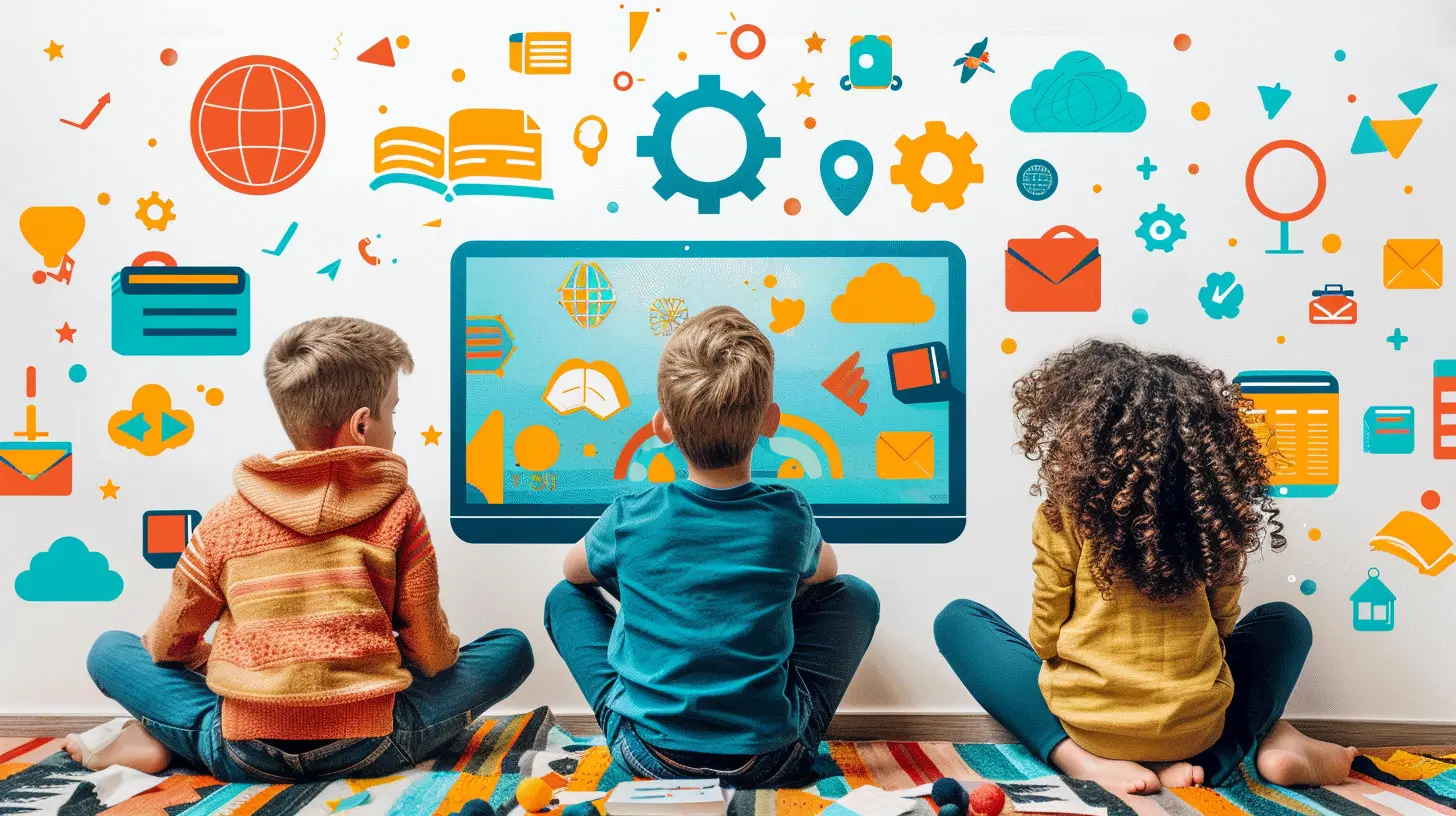
The Tech Side: Digital Tools That Help You Get It Right
Let’s geek out for a sec. There are plenty of tech tools built to help you navigate the cultural landscape like a boss.💡 Translation & Localization Tools
Apps like Crowdin or Lokalise help localize your course content for different languages and regions. Less confusion = more comprehension.💡 Analytics & Feedback Tools
Use analytics to see who’s engaging and who isn’t. If your Latin American students are dropping like flies after week three, maybe it’s time to reassess your content tone or pace.💡 LMS Features (Like Moodle, Canvas, and Blackboard)
Most Learning Management Systems allow for custom user roles, time zone flexibility, and multi-language support. Use these features like a pro.Cultural Awareness Isn’t a Checkbox—It’s a Mindset
If you’re still thinking of cultural awareness as “extra credit,” you’re missing the point. In this global digital age, being culturally aware isn’t optional—it’s the secret sauce that makes your course irresistible.The best educators? They don’t just deliver content. They connect. They listen. They adapt.
So whether you’re building a multilingual e-learning empire or just trying to stop your students from ghosting your Zoom calls, it all starts with cultural awareness. Be the kind of digital educator who doesn’t just talk the talk, but walks the multicultural walk.
Real Talk: Students Feel the Difference
Let me hit you with a truth bomb: students can smell inauthenticity a mile away.If your course feels robotic, Western-leaning, or clueless about their background, they won’t just disengage—they’ll bail. Or worse, they’ll finish it without ever feeling truly seen.
But when you bring cultural awareness into the mix? That’s when the magic happens. That’s when learning becomes transformational instead of transactional.
Wrapping It All Up: Your Culture-Conscious Cheat Sheet
Here’s the TL;DR, because I know how we roll:- Digital classrooms are global = one-size-fits-all doesn’t cut it anymore.
- Cultural awareness makes your course inclusive, effective, and conflict-free.
- Mix up your content, check your language, and be flexible.
- Use tech for good—let it help you bridge those cultural gaps.
- Train your educators like the superheroes they are.
And finally, always—ALWAYS—ask yourself: “Is my digital learning space welcoming to everyone, or just people like me?”
If the answer isn’t a proud yes, then you’ve got some work to do, my friend. But don’t worry—you’ve got this.
all images in this post were generated using AI tools
Category:
Cultural AwarenessAuthor:

Olivia Chapman
Discussion
rate this article
2 comments
Esther Allen
This article emphasizes the importance of cultural awareness in enhancing digital learning experiences. By fostering an inclusive environment that respects diverse perspectives, educators can improve engagement and understanding among students. Implementing culturally responsive teaching strategies not only enriches learning but also prepares students for a globalized world. Great insights!
March 15, 2026 at 5:54 AM
Olivia Chapman
Thank you for your insightful comment! I'm glad you found the article's emphasis on cultural awareness and its impact on digital learning valuable.
Gianna McClellan
Great insights on the importance of cultural awareness in digital learning! Celebrating diverse perspectives enriches our educational experiences and fosters inclusivity. Keep championing this crucial aspect of online education!
March 9, 2026 at 5:22 AM
Olivia Chapman
Thank you for your kind words! I completely agree—embracing diverse perspectives is essential for enriching digital learning.